




On November 9, Japan and the Philippines signed a $27 million military assistance agreement in Manila to provide the Philippine Navy with a military-grade coastal surveillance radar system and the Air Force with reconnaissance drones.
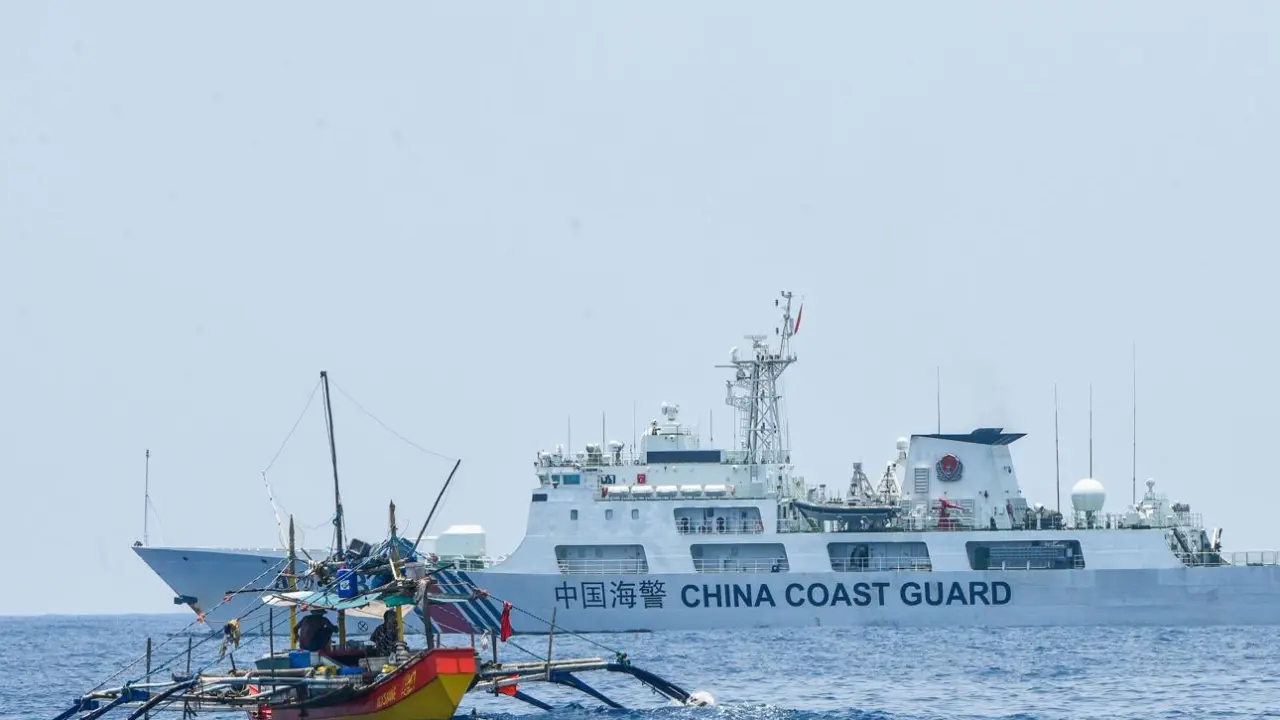
The new equipment will help the Philippines improve its ability to detect and track Chinese coast guard vessels in the West Philippine Sea (WPS). Both countries also consider the Luzon Strait, which separates the northern Philippines from Taiwan and connects the WPS to the western Pacific, strategically important.
The agreement comes seven months after Japan eased restrictions on military exports and just two weeks after both countries advanced talks on transferring Japanese destroyers to the Philippine Navy.
Military-Grade Radars to Strengthen Philippine Surveillance
The new coastal radar system will have military-specific capabilities, unlike the dual-use equipment Japan previously supplied to the Philippines.
The Philippine Navy said the equipment would support the Comprehensive Archipelagic Defense Concept, a strategy adopted in 2024 to shift the military's focus from fighting communist insurgencies and Islamist militant groups in the southern Philippines toward defending the country's territory and maritime rights.
The strategy aims to extend surveillance across the entire archipelago, including the country's exclusive economic zone, which extends up to 200 nautical miles from its baselines.
The Philippine Air Force said the new drones would strengthen its intelligence, surveillance, and reconnaissance capabilities.
In February 2026, Japan delivered five coastal radar systems funded under an agreement signed in November 2023. The latest grant will expand those capabilities, although Philippine authorities have not disclosed how many new systems they will receive or where they will be deployed.
Japan's Growing Partnership with the Philippines
On April 21, Prime Minister Sanae Takaichi's government removed restrictions that had limited transfers of finished military equipment to five nonlethal categories. The reform opened the door for Japan to export more advanced defense systems, including weapons, under specific conditions.
The Philippines has become a major partner in this expansion. Since 2023, Japan has committed approximately $46 million across four annual military assistance packages for Manila, covering radar systems, boats, military infrastructure, and now surveillance drones.
For Tokyo, strengthening Philippine surveillance serves strategic interests beyond Manila's territorial disputes with Beijing. The South China Sea carries vital trade and energy shipments for Japan, which relies heavily on maritime routes to secure its energy supplies.
With Japanese assistance, the Philippines is seeking to overcome a long-standing weakness of armed forces that spent decades fighting internal insurgencies rather than preparing to confront China.
However, stronger surveillance capabilities alone will not close that military gap. Manila's real challenge will be turning the intelligence gathered by its new radars and drones into an effective response to Chinese operations in Philippine waters. This will depend not only on its military capabilities, but also its internal political will.



Loading comments...