




Global Watch
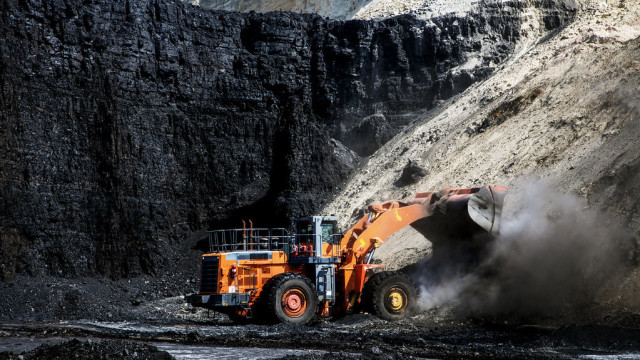
North America's Rare Earth Reserves Could Reduce China’s Global Supply Chain Power
Rare earth minerals have become one of the world's most strategic resources. They are essential for electric vehicles, smartphones, wind turbines, semiconductors, advanced military systems, and artificial intelligence. For years, China has dominated their production and processing, giving Beijing enormous leverage over industries that underpin both economic growth and national security. New assessments suggest the United States and Canad...
Jul 17, 2026
Read More →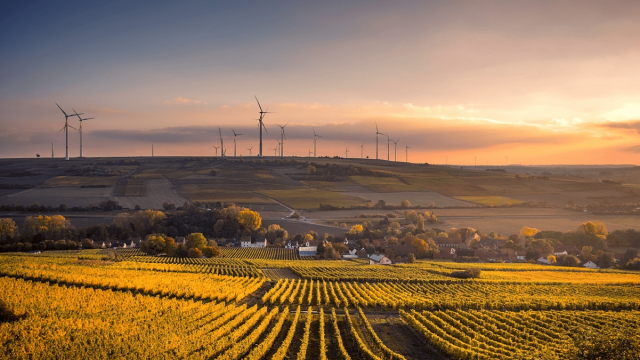
Europe’s Green Energy Conundrum: Lots of Power, No Way to Store It
The good news is Europe is generating more clean electricity than ever before. The bad news is it does not have enough infrastructure to store it. This imbalance is creating a paradox at the heart of the continent’s energy transition: it has abundant renewable energy on one hand, yet still has a deep dependence on gas power on the other. Europe’s green energy transition refers to the shift away from fossil fuels like coal, oi...
Read More →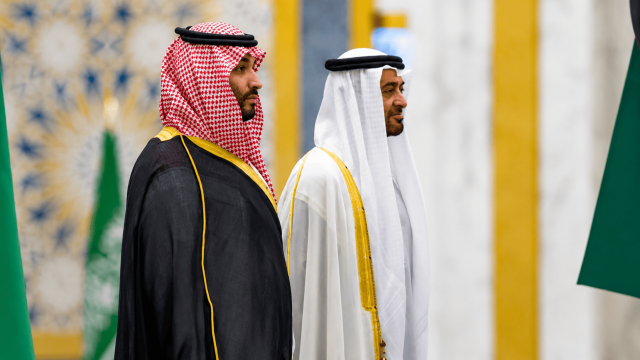
The Saudi-UAE Alliance Is Breaking Apart—and the Middle East Could Break With It
For much of the past decade, Saudi Arabia and the United Arab Emirates appeared to be among the Arab world's closest strategic partners. Together, they shaped regional policy, launched military campaigns, coordinated oil strategy, and sought to counter both Iranian influence and Islamist movements across the Middle East. Fast forward to today, and the partnership that once defined Gulf politics now appears to be entering a messy breakup....
Read More →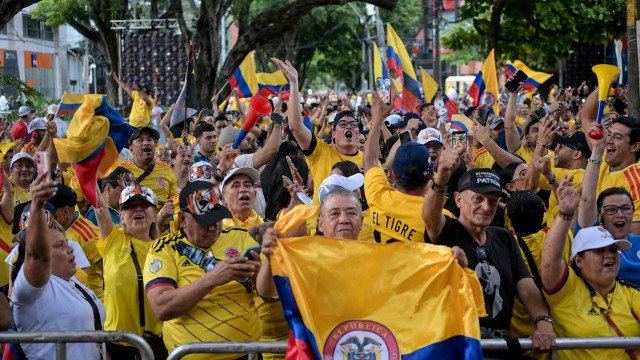
Colombia’s New Right-Wing Government Part of Trend Across the Global South
Colombia appears to be politically splintering. Far-right candidate Abelardo de la Espriella won Colombia’s presidential runoff by less than 1%. Preliminary results gave him about 49.6% of the vote, against nearly 48.7% for his left-wing rival, Senator Iván Cepeda. The vote closes a historic political chapter. Outgoing President Gustavo Petro led Colombia’s first modern left-wing government, after coming to power in 20...
Read More →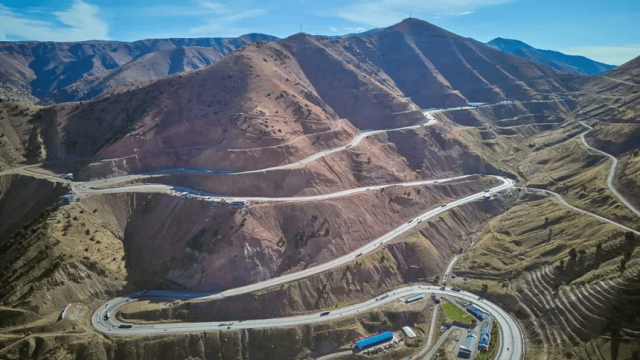
Central Asia Is Swapping Land to End Decades of Border Conflict
For decades, Central Asia's borders have been a source of conflict rather than cooperation. Drawn during the Soviet era with little regard for local communities, they left behind disputed territory, isolated enclaves, and competing claims that repeatedly erupted into violence after the Soviet Union collapsed in 1991. Now, the region is trying something once considered almost impossible. Instead of treating borders as untouchable, several...
Read More →