




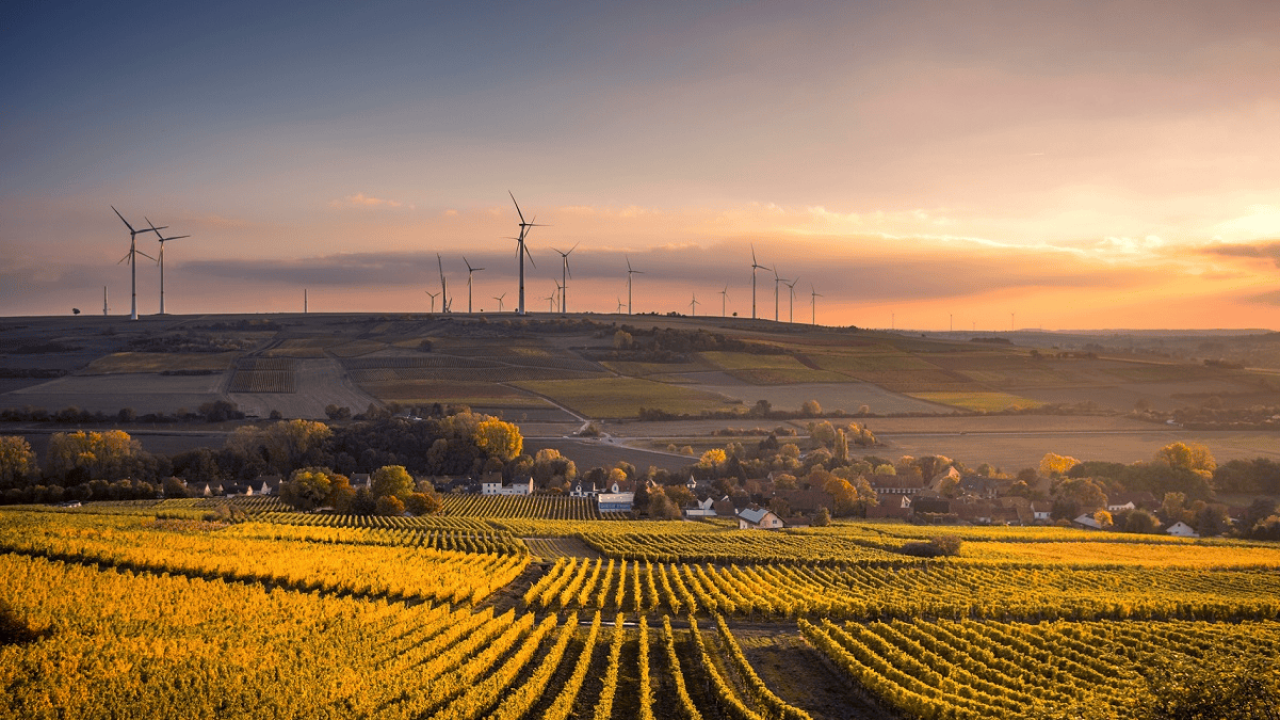
The good news is Europe is generating more clean electricity than ever before. The bad news is it does not have enough infrastructure to store it. This imbalance is creating a paradox at the heart of the continent’s energy transition: it has abundant renewable energy on one hand, yet still has a deep dependence on gas power on the other.
Europe’s green energy transition refers to the shift away from fossil fuels like coal, oil, and gas toward cleaner sources such as wind, solar, and nuclear power. The aim is not only to reduce emissions, but also to build an electricity system that is more stable and less exposed to global fuel shocks. The European Union has increased the share of renewable and nuclear energy in electricity generation to 71% in 2024, up from 63% before Russia’s invasion of Ukraine in February 2022.
While coming with many benefits, renewable energy does not produce power in a steady or predictable way. Solar energy peaks during daylight hours and summer, with longer daylight hours and stronger sunlight. While wind output depends on weather patterns that can change from week to week. This means there are periods when Europe produces more electricity than it can immediately use, and other times when supply drops while demand stays high.
The problem is that much of this extra electricity cannot yet be stored and saved for later. As a result, some clean power is effectively wasted during high-production periods, while gas-fired power plants still need to step in when renewable output is low, especially during colder months or prolonged periods of weak wind and sunlight.
Why the EU is Pushing the Green Transition
The EU’s long-term climate strategy, known as Fit for 55, aims to cut greenhouse gas emissions by 55% by 2030, with the broader goal of reaching net-zero emissions by 2050. This shift is not only about climate targets, but also about reducing exposure to volatile global energy markets that can be disrupted by conflict, supply cuts, or price spikes.
The energy crisis triggered by Russia’s invasion of Ukraine exposed how quickly fossil fuel dependence can become a vulnerability. Gas markets, once built on long-term regional pipelines, are now part of a global system where liquefied natural gas is traded internationally and competes across regions. This means disruptions in one part of the world, like the Strait of Hormuz, can quickly affect prices and supply in others, making energy security more unpredictable than in the past.
Oil markets have also become more unstable, shaped by sanctions, price caps, and shifting global demand. Together, these changes have pushed Europe to rethink how secure its energy system really is when it relies heavily on imported fossil fuels.
Energy Storage Is the Missing Piece
Between 2010 and 2020, the cost of solar power fell by around 85%, while wind power dropped by about 56%, making renewables increasingly competitive with fossil fuels.
Europe is producing more renewable electricity than ever before, but the issue is that it does not always have a way to save it for later. When wind and solar power generate more electricity than people and industries are using at that moment, the extra energy cannot easily be stored at scale. As a result, parts of that clean electricity are either underused or lost, while other times the system still needs gas power to fill the gap.
Renewable energy does not work like traditional power plants that can be turned on and off when needed. Instead, it depends on weather conditions and time of day. That means supply can rise sharply when the wind is strong or the sun is shining, and then fall just as quickly when conditions change. Without enough storage, the system struggles to shift that energy from moments of excess to moments of shortage.
At present, Europe’s electricity grid is better at moving power across borders than storing it for later use. Cross-border connections help balance supply between countries, but they cannot fully solve the problem of time, especially when demand peaks in the evening after solar production has dropped. This is where the storage gap becomes most visible.
The result is a system that is increasingly efficient at producing clean energy, but still dependent on backup sources to keep supply steady. Until large-scale storage technologies and flexible demand systems expand further, Europe will continue to face a situation where some clean electricity is available but not always usable at the right moment.
Energy Security Means Grids, Storage, and Flexibility
To manage these pressures, the EU is expanding its policy toolbox. A new set of measures known as AccelerateEU, proposed in April 2026, is aimed at bringing member states closer together on energy planning, while also improving how electricity moves through the system and how flexible it can be when demand changes.
A key part of this effort is strengthening cross-border electricity networks and so-called “energy highways.” These projects are designed to carry power from places where there is a surplus of renewable energy to places where demand is higher, helping reduce waste when production does not match local needs.
At the same time, changes to the EU’s Emissions Trading System are meant to guide investment toward cleaner energy and a more adaptable electricity system. This includes support for technologies that can store electricity for later use, as well as tools that help shift demand so energy use can be increased or reduced depending on supply conditions. Together, these changes are intended to reduce how often gas power plants need to step in when renewable electricity cannot be stored or used immediately.
Europe's main challenge is no longer just producing enough electricity, but building a system that can store it, move it efficiently, and ensure it is available where and when it is needed.

Loading comments...