




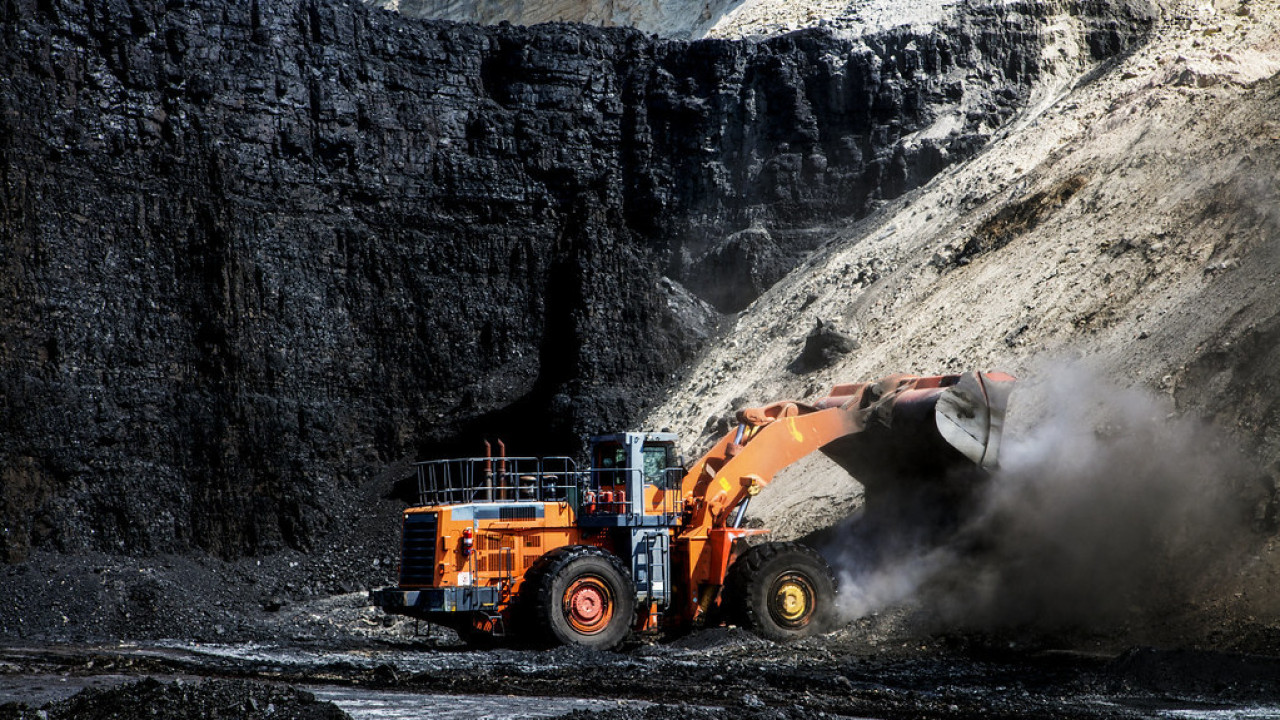
Rare earth minerals have become one of the world's most strategic resources. They are essential for electric vehicles, smartphones, wind turbines, semiconductors, advanced military systems, and artificial intelligence. For years, China has dominated their production and processing, giving Beijing enormous leverage over industries that underpin both economic growth and national security.
New assessments suggest the United States and Canada may hold enough rare earth deposits to meet their own needs if those resources are fully developed, potentially reducing dependence on Chinese supplies and reshaping the global race for critical minerals.
China's Rare Earth Export Empire
China has established dominance in rare earth and critical minerals through decades of investment in large-scale mining, advanced processing, and efficient supply chains. Since the 1980s, this integrated model has reduced production costs, enabling highly competitive exports. Today, China supplies around 70% of global rare earths.
This advantage is reinforced by overseas investments, particularly in the Democratic Republic of the Congo, a major cobalt producer, and across parts of the Sahel where strategic mineral exploration is expanding. These efforts are supported by the Belt-and-Road Initiative (BRI), which strengthens infrastructure, logistics, and long-term resource access. By controlling both the mining of rare earths and the factories that process them, China can produce these materials more cheaply than most competitors.
US and Canada Push Back
China's dominance is not necessarily permanent. According to Stephen Kesler of the University of Michigan, North America's biggest obstacle is not a lack of minerals but the cost of developing mines and processing facilities. With government support and sustained investment, the region could build a domestic supply chain that reduces reliance on Chinese imports.
North America may also benefit from a changing geopolitical landscape. Governments and manufacturers are increasingly willing to pay more for supplies that come from politically reliable partners rather than relying heavily on China. As countries seek to diversify critical mineral supply chains, new mines in the United States and Canada could become more competitive even if their production costs remain higher.
The strongest opportunity lies in so-called light rare earths, including lanthanum, cerium, neodymium, and praseodymium, which are more abundant and are widely used in products such as electric vehicle motors, wind turbines, and consumer electronics.
Impacts of a Diversified Rare Earth Supply Chain
If the United States and Canada build a competitive rare earth industry, the biggest change would be greater choice. Manufacturers would no longer depend as heavily on China for materials, which would make global supply chains more resilient and reduce the risk that export restrictions or geopolitical tensions could disrupt production.
The effects would extend well beyond North America. Countries across Asia that rely on stable supplies of critical minerals could also benefit from having additional sources. Taiwan's semiconductor industry, for example, depends on a reliable flow of rare earth materials, while Malaysia is positioning itself as a regional manufacturing hub. A more diversified supply chain would give both countries greater flexibility as companies seek alternatives to China.
China will almost certainly remain one of the world's largest rare earth producers. But if North America succeeds in developing its own mines and processing facilities, Beijing would face more competition in one of the industries that has underpinned its economic and geopolitical influence for decades.


Loading comments...