




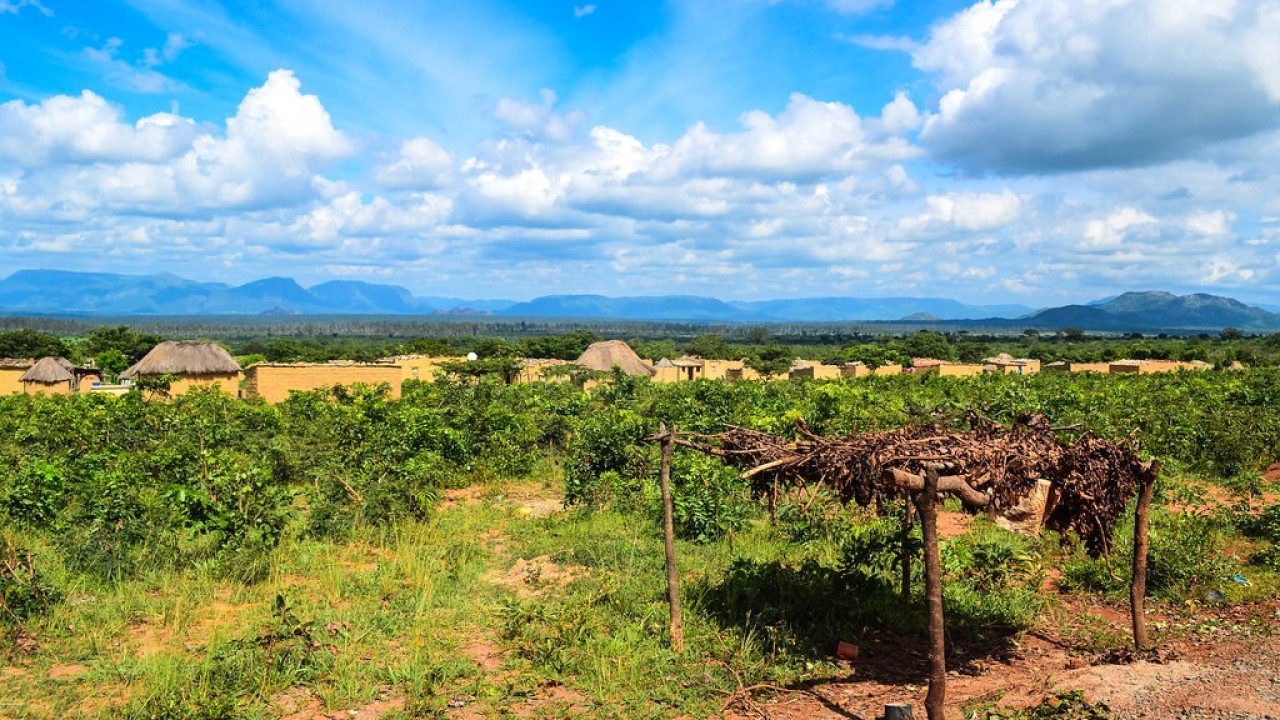
Angola is entering a new economic phase as agriculture emerges as a central driver of growth. While oil has dominated the economy since the early 2000s, farming, food production, and rural industries are becoming increasingly important sources of jobs, investment, and economic stability.
With extensive arable land, favorable climate conditions, and rising investment, Angola is expanding production of crops such as corn, cassava, bananas, and sugarcane. This agricultural transformation offers a path toward greater food security, stronger domestic supply chains, and reduced dependence on energy markets.
Agriculture Builds Economic Resilience
The need for diversification has grown as global energy markets face uncertainty. Oil price volatility, supply disruptions, and rising fuel costs have increased economic pressure across Southern Africa. Angola is responding by strengthening agriculture as a foundation for long-term growth.
New agricultural value chains are developing through processing, storage, and distribution. A cassava processing pilot project at Cacuso Industrial Park, supported by the Food and Agriculture Organization and Angolan ministries, aims to convert cassava into industrial starch for sectors such as brewing and pharmaceuticals.
Agricultural expansion is also critical because Angola imports more than half of its food supply, spending an estimated $2.1 billion to $3 billion annually on products including rice, wheat, palm oil, and chicken. Limited domestic production has increased exposure to global price changes and supply disruptions.
To address this challenge, Angola introduced local sourcing requirements in May 2026. Under Executive Decree No. 130/26, importers of poultry, pork, tilapia, white rice, and refined sugar must source at least 20% of these products from domestic producers. The policy is designed to strengthen local producers, expand agricultural capacity, and reduce import dependency.
Food Security and Rural Growth
Agriculture is reshaping rural economies by creating employment, improving skills, and supporting small businesses across production, transport, processing, and services. A major initiative driving this shift is "Planapecuária," the National Plan for the Promotion and Development of Livestock. Implemented from 2023-2025 with a $300 million investment package, the program aims to increase livestock production, raise producer incomes, and improve Angola’s food self sufficiency.
Focused on poultry and cattle, the plan targets major growth in egg and poultry meat production, with output expected to exceed 240,000 metric tons. By reducing reliance on imports, it strengthens food security while expanding rural economic activity.
Together with the National Grain Production Development Plan and the National Fisheries Development Plan, Planapecuária supports Angola’s broader diversification strategy. These programs promote domestic production, improve access to technology, strengthen value chains, and encourage private investment.
A Future Beyond Oil Dependence
Agriculture does not replace oil's immediate importance to Angola’s exports and public-private finances, but it is becoming a strategic pillar of long-term economic transformation. The expansion of farming, livestock, and agricultural processing creates opportunities for investment by strengthening infrastructure, logistics, technology, and industrial capacity.
Angola’s land resources, favorable climate, and growing demand for food make agriculture increasingly attractive to investors. Beyond food production, the sector can support a broader transition toward a more sustainable economy by connecting agricultural development with renewable energy, improved resource management, and cleaner production systems.
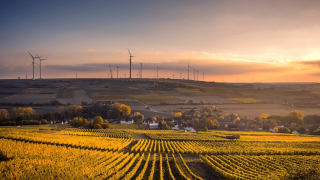
As Africa accelerates its shift toward sustainable energy, initiatives such as the Africa Green Transition Platform Fund (AGTPF) are supporting renewable energy infrastructure, including solar, wind, hydropower, and grid expansion. These investments aim to improve energy access while reducing long-term dependence on fossil fuels. For Angola, integrating renewable energy into agriculture could strengthen irrigation systems, power processing facilities, improve storage capacity, and reduce production costs.
By developing renewable powered agricultural value chains, Angola can reduce vulnerability to global energy shocks while creating new sources of income, employment, and industrial growth. The country's agricultural transformation therefore represents a wider move toward a diversified and sustainable economy built on food security, renewable energy, stronger rural industries, and reduced dependence on oil.

Loading comments...