




Africa's energy ambitions are evolving. For decades, many African countries exported crude oil while importing refined fuels, leaving them vulnerable to global supply disruptions, price volatility, and foreign refining capacity. Today, governments and investors are increasingly trying to change that model.
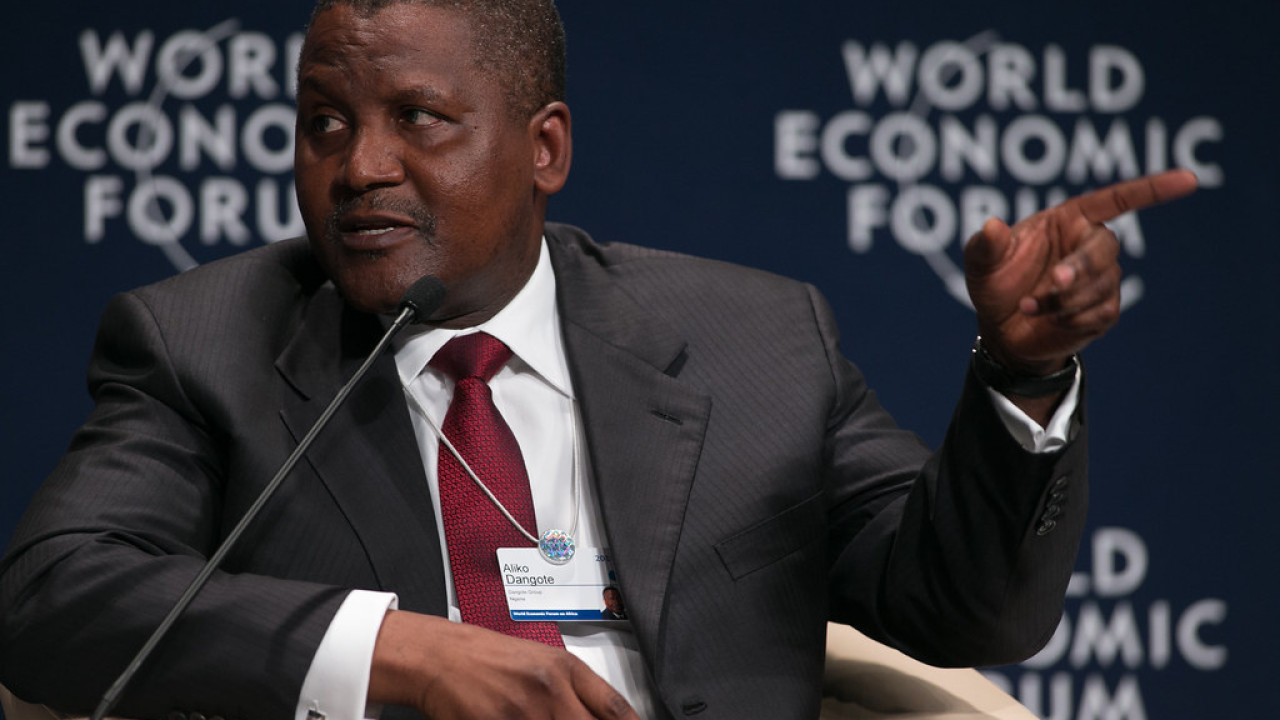
New refinery projects across the continent—including proposals linked to Nigerian billionaire Aliko Dangote—reflect a broader push to strengthen energy security, expand industrial capacity, and capture more value from Africa's own resources.
Tensions surrounding key maritime chokepoints such as the Strait of Hormuz have reinforced a lesson many policymakers already understood: countries that cannot refine their own fuel remain vulnerable to disruptions beyond their control.
Why Refining Matters
Refining is one of the most important links in the energy value chain. Producing crude oil creates revenue, but refining allows countries to process that oil into gasoline, diesel, jet fuel, and other products that power modern economies. Nations that lack domestic refining capacity often remain dependent on foreign suppliers, even when they possess significant energy resources of their own.
For many African governments, this dependence has become increasingly difficult to justify. Fuel shortages, price spikes, shipping disruptions, and geopolitical tensions have repeatedly demonstrated how quickly external shocks can affect domestic economies.
As a result, energy security is becoming a larger priority across Africa. Rather than exporting crude and importing refined fuels, policymakers are increasingly seeking to build the industrial infrastructure needed to process more energy resources at home.
Mombasa Refinery Deal Could Transform Kenya
One of the most significant developments is the proposed refinery project in Mombasa, Kenya. Although discussions remain ongoing, the project forms part of broader efforts to strengthen East Africa's fuel security and reduce reliance on external supply chains. Kenya's strategic location on the Indian Ocean already makes it a major trade gateway for the region, and expanded refining capacity could further enhance its economic importance.
Kenyan President William Ruto has repeatedly emphasized the importance of strengthening regional energy resilience. In April 2026, he highlighted discussions surrounding a refinery project in Tanzania's Tanga port while warning against excessive dependence on vulnerable global shipping routes.
The logic behind these projects is straightforward. The more fuel that can be refined within Africa, the less exposed regional economies become to international disruptions, whether caused by conflict, shipping delays, or sudden price increases.
For Kenya, a major refinery would offer additional benefits beyond energy security. New investment could support industrial development, create jobs, expand logistics networks, and reinforce the country's position as a commercial hub for East Africa.
Dangote's Investment Reflects a Broader Trend
While Aliko Dangote remains one of the most visible figures behind Africa's refining ambitions, his investments are best understood as part of a wider continental transformation.
The success of the Dangote Refinery in Nigeria has demonstrated the scale of what is possible when African capital is deployed toward large-scale industrial infrastructure. It has also highlighted the economic opportunities associated with reducing dependence on imported fuel products.
As governments seek to improve energy security and strengthen domestic industries, similar projects are attracting increased attention elsewhere on the continent. The objective is not both to produce more fuel and to capture a greater share of the economic value generated by Africa's natural resources.
China Capital Is Helping Accelerate Expansion
Building refineries requires enormous amounts of capital, engineering expertise, machinery, and logistical support. Chinese firms have increasingly supplied many of these requirements through equipment exports, financing arrangements, and infrastructure partnerships.
Dangote Group's recent $400 million equipment agreement with XCMG illustrates this growing relationship. The deal is expected to support refinery expansion and broader industrial development efforts.
More broadly, Chinese involvement reflects the growing geopolitical importance of infrastructure investment across Africa. Energy facilities, transportation networks, ports, and industrial projects are becoming increasingly important not only for economic growth but also for long-term strategic influence.
New Era Of African Refining and Trade Networks
The refinery projects emerging across Africa represent an effort to reduce dependence on external supply chains, strengthen industrial capacity, and capture more of the economic value generated by the continent's natural resources.
Whether these investments succeed will depend on financing, governance, market conditions, and long-term energy demand. Building refining capacity alone will not solve every economic challenge facing the continent.
Rather than serving primarily as a supplier of raw materials, many African countries are seeking a larger role in processing, refining, and distributing the resources that power the global economy. Dangote's expansion may be one of the most visible examples of this trend, but it is part of a much broader shift—one that could reshape Africa's economic and energy landscape for years to come.

Loading comments...