
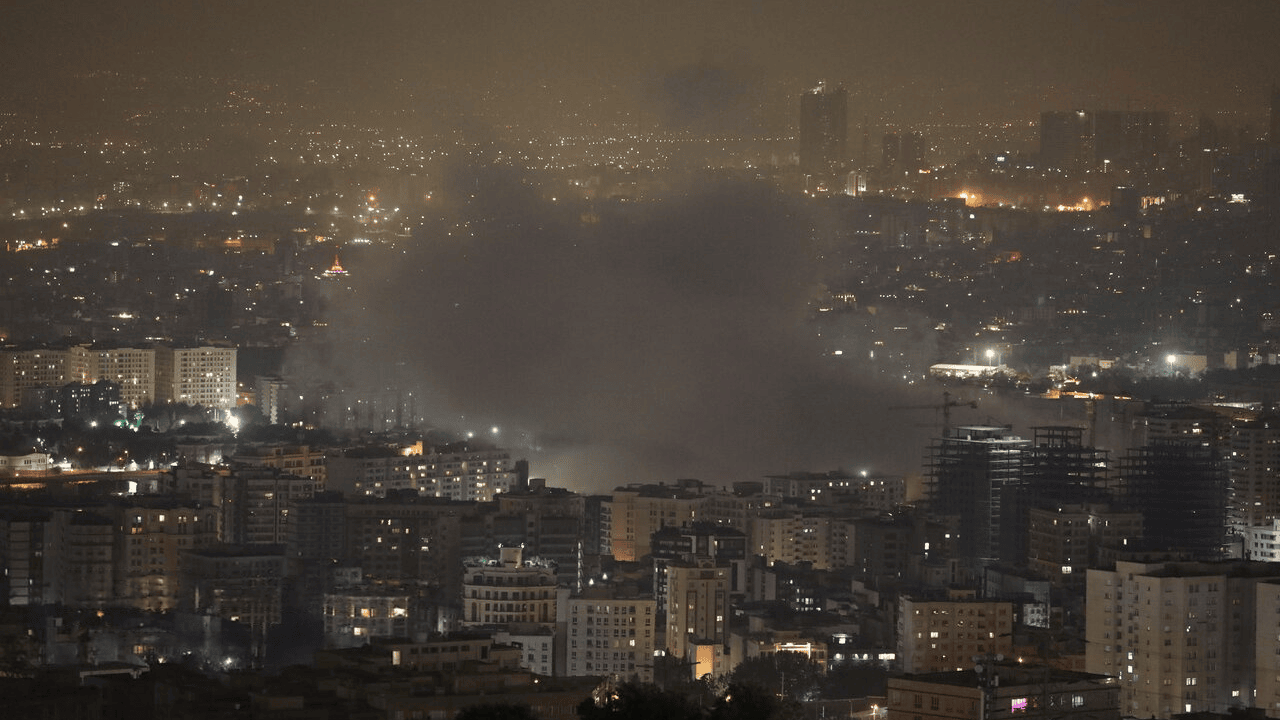
The United Nations has cut its global growth forecast in light of the war involving Iran, Israel, and the United States sent shockwaves through energy markets and global trade. Rising oil prices and shipping disruptions in the Strait of Hormuz are now putting pressure on economies across the world.
The UN now expects the global economy to grow by 2.5% in 2026, lower than earlier forecasts of 2.7%. A 0.2% lower growth forecast means the global economy is expected to grow more slowly than experts had previously predicted. Even a small drop can mean weaker trade, fewer jobs, higher prices, and slower business activity around the world.
Beyond that, officials warn that growth could constrict even further if energy prices continue climbing.
How the Strait of Hormuz Became a Global Economic Threat
The Strait of Hormuz is one of the world’s most important shipping routes for oil and natural gas. Before the conflict, around 130 ships crossed the waterway daily. That number has now dropped sharply as fears of attacks continue.
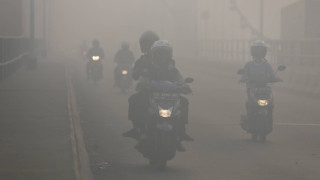
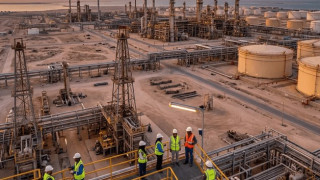
This disruption has pushed oil prices above $100 per barrel. Higher fuel costs mean higher food prices, transport costs, and electricity bills in many countries. Businesses are also slowing investment because markets have become more unstable.
The UN warned that uncertainty alone is becoming a major economic problem. Governments and companies do not know how long the crisis will last or how severe the damage could become, which means they are extra careful.
Developing Economies Face the Biggest Risks
Poorer countries are being hit the hardest by the global supply shock. Many nations in Asia and Africa rely heavily on imported fuel and food. Rising prices are making it harder for governments to manage debt and keep inflation under control.
The UN estimates that millions more people could fall into food insecurity if prices continue rising. Countries in Western Asia are expected to see some of the sharpest slowdowns this year.
While the United States and China are expected to avoid major declines for now, smaller economies have fewer financial tools to absorb the pressure.
Global Trade and Energy Markets Under Pressure
The conflict is also slowing global trade growth. Shipping delays and higher transport costs are making international trade more expensive and unpredictable.
Central banks may keep interest rates high to fight inflation, but that could slow growth even further. Analysts warn that a longer crisis could create lasting damage across energy markets and supply chains.
Today, the world economy remains deeply connected. A conflict in one region can quickly affect food, fuel, jobs, and prices across the globe.
A Fragile Global Economy Faces Another Test
The UN warning shows how fragile the global economy remains after years of pandemic disruptions and inflation shocks. Energy security, trade stability, and political tensions are now closely linked.
For many developing countries, the challenge is no longer only growth. It is economic survival in an increasingly unstable global market.


Loading comments...