




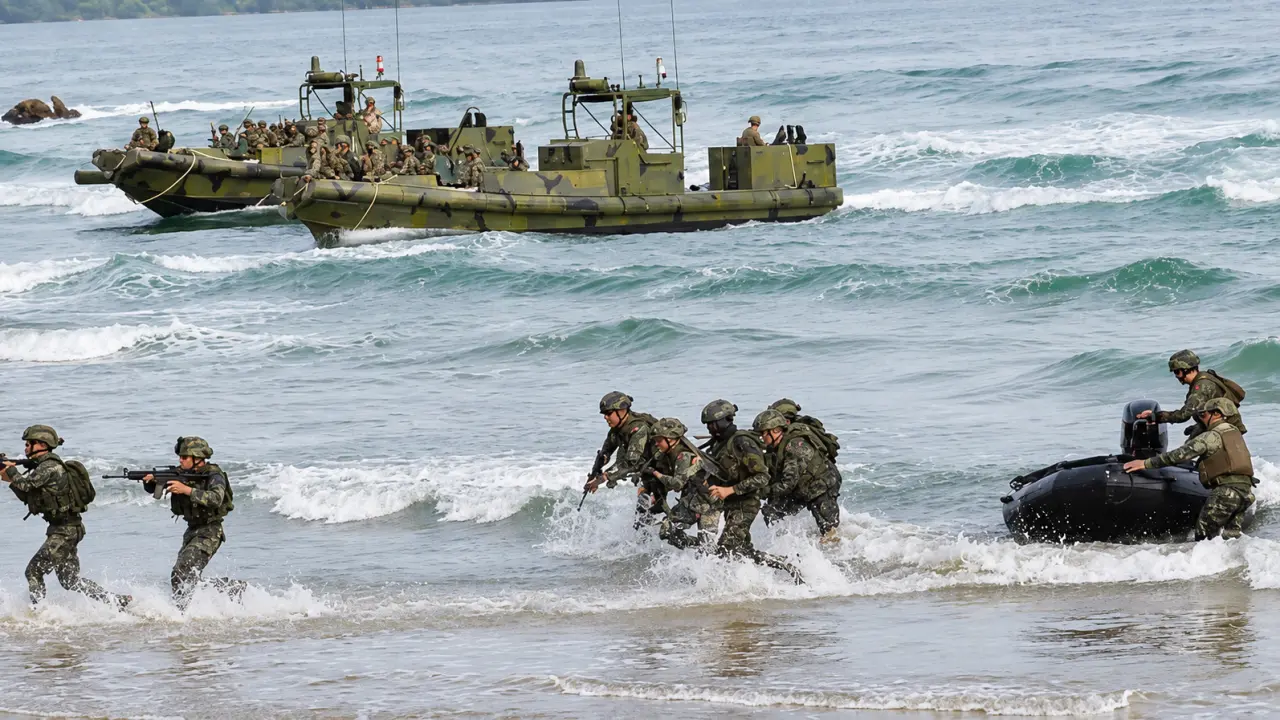
China's growing military and maritime pressure in the South China Sea is pushing the Philippines to strengthen its defense partnerships. On November 15, during Australian Prime Minister Anthony Albanese's visit to Manila, the Philippines and Australia signed an updated Defense Cooperation Arrangement (DCA), modernizing a military cooperation framework that dates back to 1995.
The agreement is designed to make joint military activities easier to organize, expand information sharing, and improve coordination between the two armed forces. For Manila, this matters because Chinese coast guard and maritime forces have repeatedly harassed Philippine vessels in its own waters, challenging the country's ability to exercise its maritime rights. The Philippines needs stronger surveillance capabilities and reliable partners, just like Australia, to help it respond to that pressure.
For Canberra, closer cooperation also strengthens its position in a region where China's growing military power is a shared concern.
Ultimately, the deal reflects a shared interest in preventing China from using its strength and manipulative tactics to impose its illegal claims on other countries. For Beijing, the agreement should be a warning sign that its tactics are backfiring, driving countries together rather than splitting them apart.
A 30-Year-Old Defense Framework Gets a Major Update
The original defense framework was established through a 1995 Memorandum of Understanding on defense cooperation. The two countries subsequently signed a Status of Visiting Forces Agreement (SOVFA) in 2007, which entered into force in 2012 and provides the legal framework for military personnel to visit and conduct activities in each other's territory.
The updated DCA builds on these agreements by making cooperation easier to put into practice. Philippine Defense Secretary Gilberto Teodoro compared the previous administrative process to completing 100 steps for a single task, saying the new framework could reduce this to just 10. The aim is to remove bureaucratic obstacles that can delay military activities and make joint operations more difficult to organize.
The updated arrangement also covers information sharing and cooperation across naval, air, and land operations. Additionally, it identifies defense infrastructure, maritime operations, logistics, cyber defense, and humanitarian assistance as areas for closer cooperation.
For the Philippines, these capabilities could help address the fact that China has far greater military and coast guard resources to deploy in the South China Sea. Better coordination with Australia cannot erase this imbalance, but it can improve Manila's ability to monitor developments and withstand Beijing's pressure.
China's Maritime Pressure Is Reshaping Regional Security
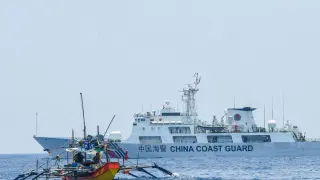
The agreement comes amid continuing confrontations between the Philippines and China. Chinese coast guard and maritime forces have repeatedly harassed Philippine vessels, using their presence and operational advantages to challenge Manila's activities in waters within its own maritime zones.
Beijing also rejects the 2016 South China Sea arbitral ruling, which found that China's expansive historic rights claims had no legal basis under the United Nations Convention on the Law of the Sea in the areas covered by the case. The ruling is final and binding, but Beijing continues to reject it.
Australia has consistently supported the 2016 ruling and the principles of international law and freedom of navigation. Its closer cooperation with Manila is part of a wider effort to preserve a regional order in which countries can exercise their maritime rights without being subjected to coercion.
The stakes extend beyond the countries directly involved. The sea carries major international shipping and energy routes connecting Asian economies with global markets. Persistent tensions and attempts to restrict navigation therefore carry economic risks for all of ASEAN.
Beijing may portray the agreement as an attempt to contain it, but that argument overlooks why Manila and Canberra are drawing closer in the first place. China's repeated harassment of Philippine vessels and rejection of the 2016 ruling have contributed to the very security partnerships it criticizes. The more Beijing relies on coercion to advance its claims, the more reason its neighbors have to work together.
Ultimately, the updated defense agreement sends the clear message that China's growing military power will not make other countries more willing to accept its demands, but instead push them to stand together.

Loading comments...