




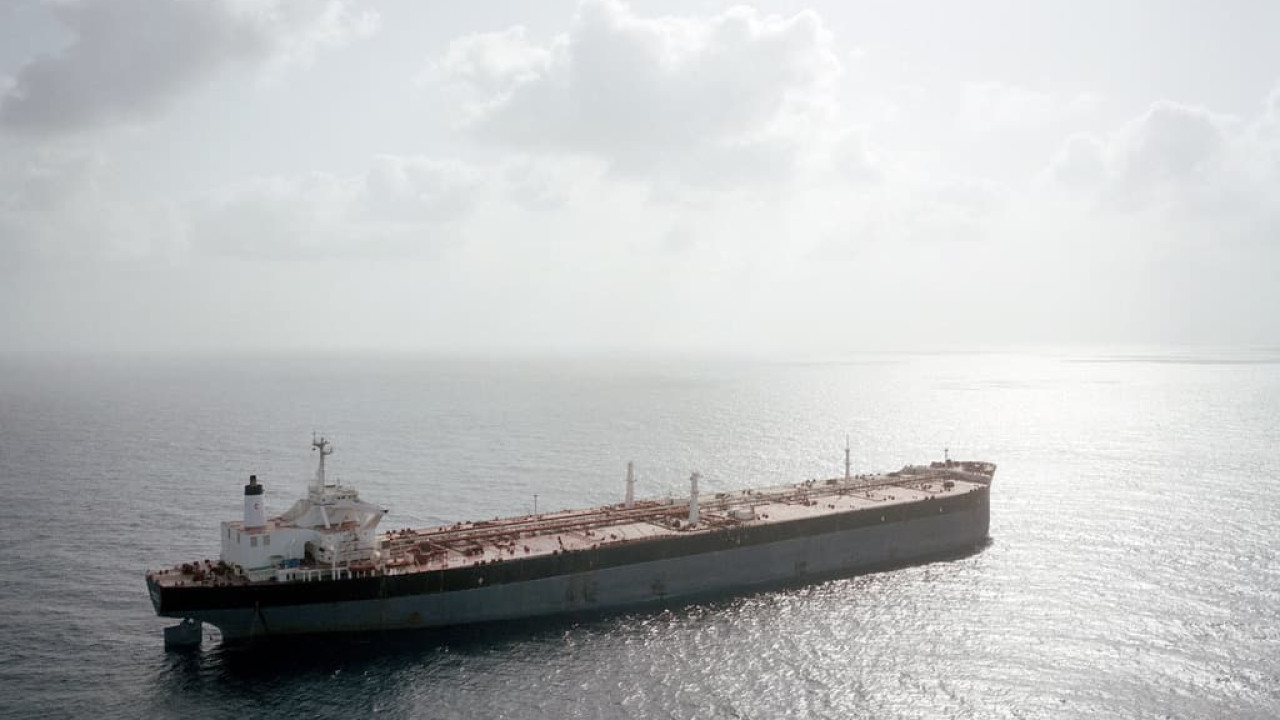
On July 14, 2026, Norwegian oil tankers reported that they were being attacked along the Oman coastline, raising renewed concerns over maritime security in the Strait of Hormuz. Among the incidents was the reported attack on the Norwegian chemical tanker Stolt Magnesium, with no casualties among the crew despite damage to the vessel.
These events underscore the continued risks to commercial shipping in the region and highlight the importance of examining maritime safety challenges around the Strait of Hormuz and the Gulf of Oman.
Maritime Safety Concerns Are Growing
Maritime security risks in the Strait of Hormuz and the Gulf of Oman extend beyond the prospect of a formal closure of the Strait. While restrictions on navigation have disrupted commercial traffic, vessels operating in the region continue to face a sustained risk of attack, indicating that resumed mobility does not equate to improved security.
Most of the attacks took place in the same parts of the Gulf over a sustained period, rather than being isolated incidents. The highest intensity was recorded in early March 2026, when between 10 and 16 commercial vessels were reportedly struck within a single week. During the first week of March, four attacks occurred in the Strait of Hormuz and four more in the Gulf of Oman.
At the height of the conflict, daily vessel transits through the Strait of Hormuz reportedly fell from approximately 120 and 140 vessels to as few as two tankers. Although the frequency of incidents declined following a temporary de-escalation in June, attacks resumed in early July. Multiple commercial vessels were reportedly targeted within short periods, with incidents continuing off the Omani coast through mid-July, including the reported attack on the Norwegian chemical tanker Stolt Magnesium.
Renewed Conversations on Global Energy Security
The reported attacks on Norwegian tankers have once again brought global energy security to the forefront of international discussions, reinforcing concerns over the vulnerability of one of the world's most critical maritime energy corridors. Approximately one-fifth of global oil consumption and a significant share of liquefied natural gas (LNG) exports transit the Strait of Hormuz, and thus instability in the region has global implications.
The persistence of maritime insecurity underscores the difficulty governments and businesses face when reducing exposure to geopolitical risk in the Gulf. While countries continue to explore alternative trade routes, diversify energy partnerships, and strengthen domestic energy security, the renewed attacks demonstrate that risks in and around the Gulf of Oman remain a significant challenge.
This instability has strengthened the case for expanding domestic and regional refining capacity outside the Middle East. Rather than relying heavily on imported refined petroleum products transported through vulnerable maritime choke-points, countries are increasingly investing in refining infrastructure to improve energy security and reduce external dependence.
These developments also align with broader warnings from international organizations regarding the systemic consequences of conflict in the Gulf. The United Nations has cautioned that prolonged instability involving Iran will cause even greater global economic shocks through higher energy prices, disrupted maritime trade, and increased inflationary pressures.
Consequently, the attacks in the Strait of Hormuz and the Gulf of Oman are not only regional security incidents but also reminders that maritime security has become a fundamental component of global energy security.

Loading comments...