




The global race for clean energy is creating a new competition over critical minerals. Electric vehicles, batteries, and renewable energy systems all depend on materials such as nickel and lithium. As demand grows, countries are looking for ways to secure supplies and build stronger industrial sectors.
Indonesia has become a nickel powerhouse. Australia remains one of the world's leading lithium producers. China, meanwhile, dominates the refining and processing that turns raw minerals into battery-ready materials. Together, they form one of the most important supply chains in the modern economy.
Can Indonesia Turn Nickel Into Long-Term Power?
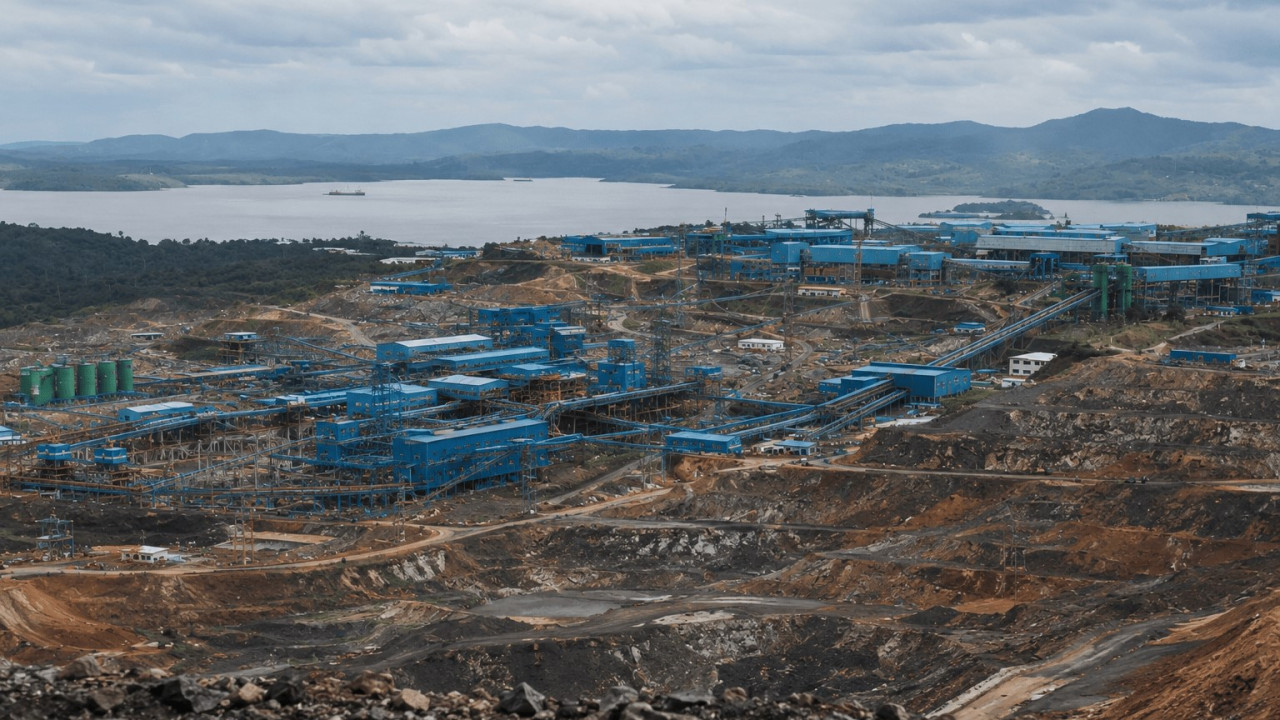
Indonesia holds some of the world's largest nickel reserves. Over the past decade, Jakarta introduced export restrictions designed to encourage companies to process nickel inside the country rather than ship it abroad.
The strategy has attracted billions of dollars in investment, much of it from Chinese firms. Large industrial parks and smelters have transformed parts of the Sulawesi region into major centers of battery production.
But success brings new questions. Chinese companies control a significant share of Indonesia's refining capacity. While this has accelerated industrial growth, it has also created concerns about dependence on foreign capital and technology.
Because of this, Indonesia faces a balancing act. It wants to continue attracting investment while ensuring that more profits, skills, and technology remain in the country.
Why Is Australia Fighting to Move Beyond Mining?
Australia is one of the world's largest lithium producers. Lithium is a key ingredient in batteries used in electric vehicles and energy storage systems. Western Australia alone hosts major mines such as Greenbushes, one of the largest hard-rock lithium mines in the world.
For years, much of Australia's lithium was shipped overseas for processing, especially to China. Chinese companies became dominant in refining, turning raw spodumene concentrate into battery-grade chemicals. In many cases, Australian minerals traveled abroad because much of the higher-value manufacturing took place in other countries.
Today, Canberra is trying to change that model. The Australian government has backed projects such as Tianqi Lithium's Kwinana refinery near Perth and Albemarle's Kemerton processing plant in Western Australia. Through initiatives like the Critical Minerals Strategy and partnerships with the United States and Japan, Australia hopes to build more resilient supply chains and capture more value at home.
The challenge remains significant. Several Australian processing projects have faced delays and cost pressures because lithium prices fell sharply in 2024 and 2025. Meanwhile, China built its refining industry over decades and today controls much of the world's lithium processing capacity. Competing with China's established supply chains, and lower cost services remains difficult even for resource-rich countries like Australia.
Does China Hold the Key to the Green Transition?
China's greatest advantage in the clean energy race is processing, not mining. While many countries extract critical minerals, much of the refining needed to turn them into battery materials takes place in China.
Beijing built its position over decades. Beginning in the early 2000s, Beijing backed strategic industries through subsidies, low-cost financing, and industrial policies. Companies such as CATL and BYD grew into some of the world's largest battery makers, helping create an ecosystem that spans refining, battery production, and electric vehicles.
The result is a strategic advantage that extends beyond trade. Through its control over refining and battery production, China can shape prices, influence supply chains, and gain leverage in periods of geopolitical tension. In the last few years, these processing capabilities have slowly built Beijing's influence over industries that will shape the 21st century economy, from electric vehicles to smartphones to renewable energy systems.
Governments in the United States, Japan, the European Union, and elsewhere are now trying to reduce their supply chain dependency on China, yet building alternative networks is costly and time-consuming. New facilities require billions of dollars in investment, technical expertise, and years of development. Even if one day they can be less dependent on China, it will take years to get to that point.
A Future Built on Competition and Cooperation
Critical minerals are becoming as strategically important as oil once was. Indonesia, Australia, and China each control different parts of the clean energy supply chain, but none can easily succeed alone.
For now, the green transition remains deeply tied to Chinese processing capacity. The emerging question is not whether countries can replace China, but whether they can build a more diversified system that reduces vulnerability while keeping global supply chains running.
Loading comments...