




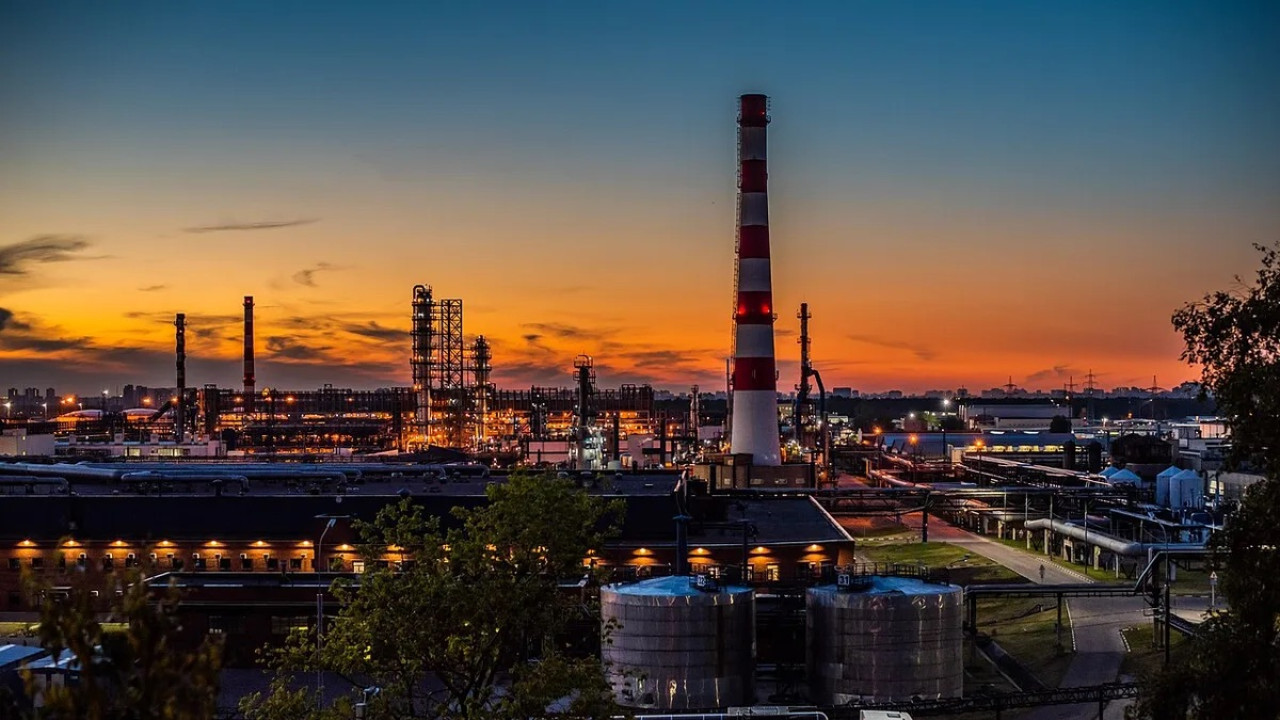
Ukraine is attacking Russian oil refineries while the West tightens sanctions designed to cut Moscow's energy revenues. Yet Russian oil continues reaching international markets. How is that possible?
A major reason is companies like India's Nayara Energy. Sanctioned by the European Union in 2025, the refinery is one of the clearest examples of how Russia uses foreign companies to process and sell its oil despite Western restrictions. Its story illustrates the growing gap between the goals of sanctions and the realities of the global energy market.
Ukraine’s Strikes Trigger Russian Fuel Crisis
Since January 2026, Ukraine has carried out a series of attacks on Russian energy infrastructure, targeting oil refineries and storage facilities and causing fires and fuel shortages across the country, including in Moscow. The disruption has resulted in fuel rationing in several regions, marking an unusual crisis for Russia, one of the world’s leading energy producers.
According to data compiled by The Associated Press, more than 50 strikes on Russian oil refineries, depots, terminals, and other energy facilities have been reported since March, with some sites being targeted multiple times. Several attacks have also taken place in Crimea, the peninsula illegally annexed by Russia in 2014. Russian President Vladimir Putin has since acknowledged that Ukrainian strikes on refineries have contributed to fuel shortages in parts of the country.
Why Nayara Energy Was Sanctioned
Despite Ukraine's campaign against Russian oil infrastructure, Moscow has continued exporting millions of barrels of crude by relying on overseas partners and alternative supply chains. One of the clearest examples is Nayara Energy, one of India's largest private oil refiners.
Nayara operates India's second-largest private refinery in Vadinar, Gujarat, with the capacity to process around 400,000 barrels of crude oil per day. The refinery was acquired from Indian conglomerate Essar in 2015 through a major investment led by Russian state oil giant Rosneft and other investors.
Rosneft owns a 49% stake in Nayara, while another 49% is held by Russian investment firm United Capital Partners, leaving the company largely controlled by Russian interests. Although Nayara presents itself as an Indian energy company serving domestic fuel demand, it has become heavily reliant on discounted Russian crude since the invasion of Ukraine.
That ownership structure has placed the company at the center of international scrutiny. The European Union went as far as sanctioning Nayara in 2025, banning petroleum products refined from Russian crude from entering EU markets and restricting the company's access to European shipping insurance and financial services. Even so, the refinery has continued operating by relying on traders and alternative commercial networks.
Nayara illustrates a broader reality of the Russia-Ukraine war. Ukraine may be damaging Russia's refineries at home, but Russia has also shifted part of its energy strategy abroad. By exporting crude to refineries such as Nayara, Russian oil continues reaching global markets even as Western governments try to restrict the revenues that finance Moscow's war effort.
The Limits of Sanctions in a Global Energy Market
Ukraine can strike Russian refineries. Western governments can impose new sanctions. But as long as companies outside the sanctions regime continue buying, refining, and exporting Russian crude, Moscow will continue finding ways to earn from its oil. Nayara Energy has become one of the clearest examples of that reality—and of why the fight over Russia's energy exports is now being waged far beyond the battlefield.


Loading comments...