




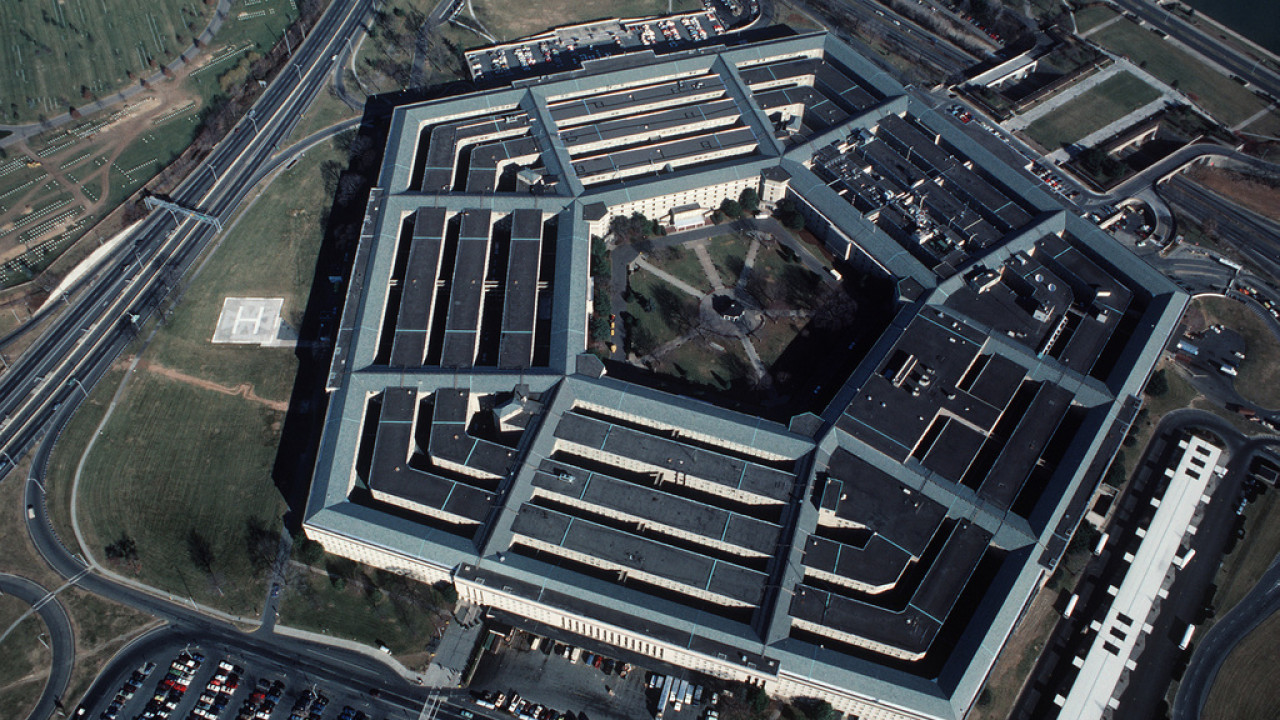
On June 8, 2026, the US Department of Defense intensified economic and technological pressure on Beijing by adding several of China's largest technology and automotive companies to its Section 1260H list of "Chinese military companies."
The updated list includes BYD, Nio, CATL, Alibaba, Baidu, and dozens of China's leading manufacturing and technology firms, marking a significant expansion of Washington's national security focus beyond traditional defense contractors to major civilian enterprises.
Chinese Firms Reject US Designations
The move prompted swift pushback from the targeted companies, highlighting the reputational and commercial consequences of being linked to China's military sector.
Nio issued the strongest response, calling its designation "unjustified" and denying any ties to China's military or military-civil fusion program. The company said it would seek removal from the list through engagement with the Pentagon and pursue legal action if necessary. Nio also emphasized that the designation is not a sanctions measure and does not restrict securities trading.
Other companies also spoke up. Alibaba said there was "no basis" for its inclusion, Baidu "categorically" rejected the designation, and WuXi AppTec described the listing as "incorrect."
A Double Standard?
The designations also expose the logic behind Washington's policy shift. Rather than targeting only companies with direct military contracts, the Pentagon is increasingly treating China's leading civilian firms as potential national security risks because of their perceived links to the country's state-led industrial system.
That approach contrasts sharply with its treatment of US automakers. Ford and General Motors both hold active US Department of Defense contracts, with Ford producing military vehicles and GM supplying light tactical vehicles. These partnerships are public, contractual, and encouraged by the Pentagon as a way to strengthen US industrial capacity.
By contrast, BYD and Nio were not designated because of any publicly known military supply relationship. Instead, the Pentagon's position reflects the view that, under China's political and economic system, there is no actual boundary between civilian and military technological development.
Critics argue this exposes an inconsistency. By the Pentagon's own standard, Ford and GM would clearly qualify as military companies. Critics also note that both US automakers continue to operate in China through joint ventures with state-backed firms, while Chinese automakers face significant barriers to entering the US market.
What Comes Next?
While inclusion on the Section 1260H list does not automatically trigger sanctions, it often serves as a precursor to broader US restrictions and sends a clear signal to investors, suppliers, and international partners. More importantly, it reflects a fundamental shift in Washington's approach to China, where national security is no longer confined to defense contractors but increasingly encompasses civilian companies operating in important sectors.
For Chinese automakers and technology firms, the message is equally clear. As geopolitical competition intensifies, commercial success alone may no longer be enough to avoid becoming entangled in the broader US-China strategic rivalry.


Loading comments...