




Nuclear security in the post-Soviet world is no longer defined by a shared Soviet legacy. From Russia's emphasis on nuclear deterrence to Central Asia's growing focus on safety, civilian energy, and non-proliferation, former Soviet republics are pursuing increasingly different approaches to managing nuclear risks.
Turkmenistan's recent hosting of an International Atomic Energy Agency (IAEA) workshop offers a glimpse into how these changing priorities are reshaping regional diplomacy. Today, nuclear technology extends far beyond weapons, supporting electricity generation, medical care, scientific research, and emerging industries that increasingly shape national economies.
The workshop in Ashgabat brought together experts from Europe and Asia to address the problem of radioactive materials falling outside regulatory control. Such materials can be lost, stolen, or improperly disposed of, creating security risks that extend beyond national borders. While technical in nature, the event highlighted how nuclear issues in Eurasia are increasingly being shaped by questions of energy, development, and international cooperation rather than solely by military competition.
From One Soviet Legacy to Many Nuclear Futures
During the Cold War, nuclear issues in the Soviet Union were closely tied to military power and superpower competition. Moscow built one of the world's largest nuclear arsenals while developing civilian nuclear energy, uranium mining, and a vast network of research facilities across the Soviet republics. Nuclear technology was viewed as both a strategic weapon and a symbol of scientific progress.
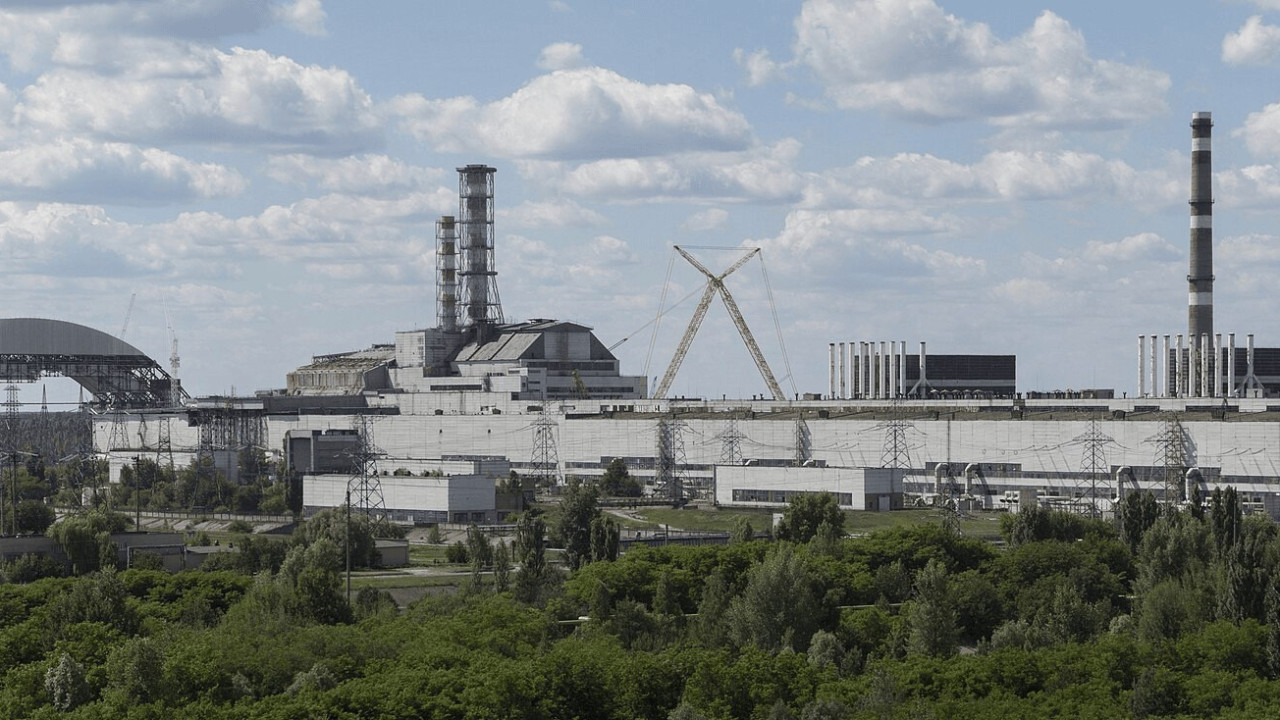
However, the Soviet system often prioritized state secrecy and military objectives over transparency. The legacy included not only weapons and power plants, but also radioactive waste, aging facilities, and contaminated sites spread across the former Soviet space. The 1986 Chernobyl disaster exposed many of these weaknesses and reshaped international views on nuclear safety.
The collapse of the Soviet Union in 1991 marked a turning point. Russia inherited the Soviet nuclear arsenal and maintained nuclear weapons as a cornerstone of national security. Other newly independent states took different paths. Kazakhstan gave up inherited nuclear weapons and later focused on uranium production and civilian nuclear development. Central Asian countries increasingly concentrated on radioactive waste management, regulatory reform, and international cooperation. Ukraine surrendered its nuclear weapons but today faces unprecedented challenges in safeguarding nuclear facilities during wartime.
More than three decades later, the former Soviet republics are no longer united by a common nuclear strategy. Instead, they are pursuing distinct approaches shaped by geography, security concerns, economic priorities, and international partnerships.
Turkmenistan Turns Nuclear Security Into Diplomacy
From April 20-24, 2026, Turkmenistan hosted the first IAEA interregional workshop on materials outside regulatory control. Participants from 12 countries discussed prevention, detection, and response to incidents involving radioactive materials.
For Turkmenistan, the event was about more than technical cooperation. By hosting international nuclear security discussions and high-level meetings on the Comprehensive Nuclear-Test-Ban Treaty (CTBT), Ashgabat is positioning itself as a bridge between Europe and Asia.
At a June 8, 2026, regional meeting marking the thirtieth anniversary of the CTBT, officials from Turkmenistan, Tajikistan, Uzbekistan, Kazakhstan, and Kyrgyzstan reaffirmed support for nuclear disarmament and non-proliferation. The gathering highlighted Central Asia's Nuclear-Weapon-Free Zone, one of the world's most significant regional arms control initiatives.
This reflects a broader strategy. Unlike states pursuing large-scale nuclear energy expansion, Turkmenistan has increasingly emphasized diplomacy, multilateral engagement, and security cooperation as tools for strengthening its international profile. Nuclear security has become another avenue through which Ashgabat can project influence beyond its borders.
Diverging Nuclear Priorities Across Eurasia
The post-Soviet world is no longer moving in a single nuclear direction. Instead, former Soviet republics are pursuing increasingly different paths shaped by energy needs, security concerns, and geopolitical competition.
Kazakhstan and Uzbekistan are at the forefront of Central Asia's emerging nuclear revival. Kazakhstan, which relinquished the world's fourth-largest nuclear arsenal after the Soviet collapse, remains the world's leading uranium producer and is now moving ahead with a $16.4 billion nuclear power plant project backed by Russian support. Moscow's involvement highlights how civilian nuclear energy remains an important instrument of influence in the region.
Uzbekistan is following a similar trajectory. Construction has begun on the country's first nuclear power plant, combining small modular reactors with larger conventional reactors. Officials say the project could eventually provide more than 15 percent of national electricity demand. For Tashkent, nuclear power is not only about energy security. It is also connected to ambitions in advanced manufacturing, critical minerals processing, and artificial intelligence, all of which require large and reliable supplies of electricity.
Yet the region's nuclear ambitions also face significant challenges. Nuclear power plants require substantial financing, strong regulatory systems, technical expertise, and large quantities of water in a region already grappling with water scarcity. As Central Asia seeks to diversify its economies and strengthen energy independence, nuclear development is becoming increasingly intertwined with questions of sovereignty, foreign partnerships, and long-term stability.
Ukraine presents a starkly different reality. While Central Asian states are building new nuclear infrastructure, Ukraine is confronting the challenge of protecting existing facilities during wartime. Russia's invasion created unprecedented circumstances in which nuclear power plants, radioactive materials, and exclusion zones became part of an active battlefield. Ukrainian regulators have had to develop new approaches to nuclear safety under military pressure, while international organizations have worked to prevent localized risks from becoming international crises.
The Post-Soviet Nuclear Order Is Changing
Former Soviet states inherited a common nuclear legacy, but they are increasingly shaping very different nuclear futures. Russia continues to view nuclear weapons as central to deterrence and national security. Kazakhstan and Uzbekistan are pursuing nuclear energy as a tool for economic modernization and energy security. Ukraine is redefining nuclear safety under wartime conditions. Turkmenistan is using nuclear diplomacy to strengthen its international standing.
Together, these developments reveal a broader geopolitical reality. Nuclear policy in the post-Soviet space is no longer defined solely by deterrence or weapons. It has become a tool of state-building, economic development, energy strategy, and international influence.
As countries across Eurasia balance energy security, economic growth, and geopolitical competition, nuclear diplomacy is becoming an increasingly important feature of regional politics. Turkmenistan's growing role in nuclear security forums suggests that in the decades ahead, the politics of nuclear safety may become nearly as important as the politics of nuclear weapons themselves.

Loading comments...