




Ten years after the landmark 2016 South China Sea arbitration ruling, Beijing is once again insisting that history—not international law—should determine who controls one of the world's most strategically important waterways.
China's latest statements came after a coalition of countries publicly reaffirmed support for the Philippines and the international tribunal that overwhelmingly rejected Beijing's maritime claims.
Philippine Allies Close Ranks Behind International Law
On July 12, 2026, the United States, the United Kingdom, Canada, Australia, Japan, New Zealand, and several European countries issued a joint statement reaffirming support for the Philippines and the 2016 arbitration ruling.
The governments emphasized that maritime claims must be governed by the United Nations Convention on the Law of the Sea (UNCLOS), describing the tribunal's decision as "final and legally binding." They also reiterated the tribunal's central conclusion that Beijing has no legal basis for its sweeping claims within the so-called "nine-dash line."
The arbitration tribunal ruled that none of the Spratly Islands can generate an exclusive economic zone and that China's historic rights claims cannot override the maritime zones guaranteed to other coastal states under UNCLOS.
Importantly, the tribunal did not determine sovereignty over disputed islands or maritime boundaries. However, it did answer whether China's claims were compatible with international maritime law. Its answer was clear—they were not.
China Again Rejects a Ruling It Cannot Refute
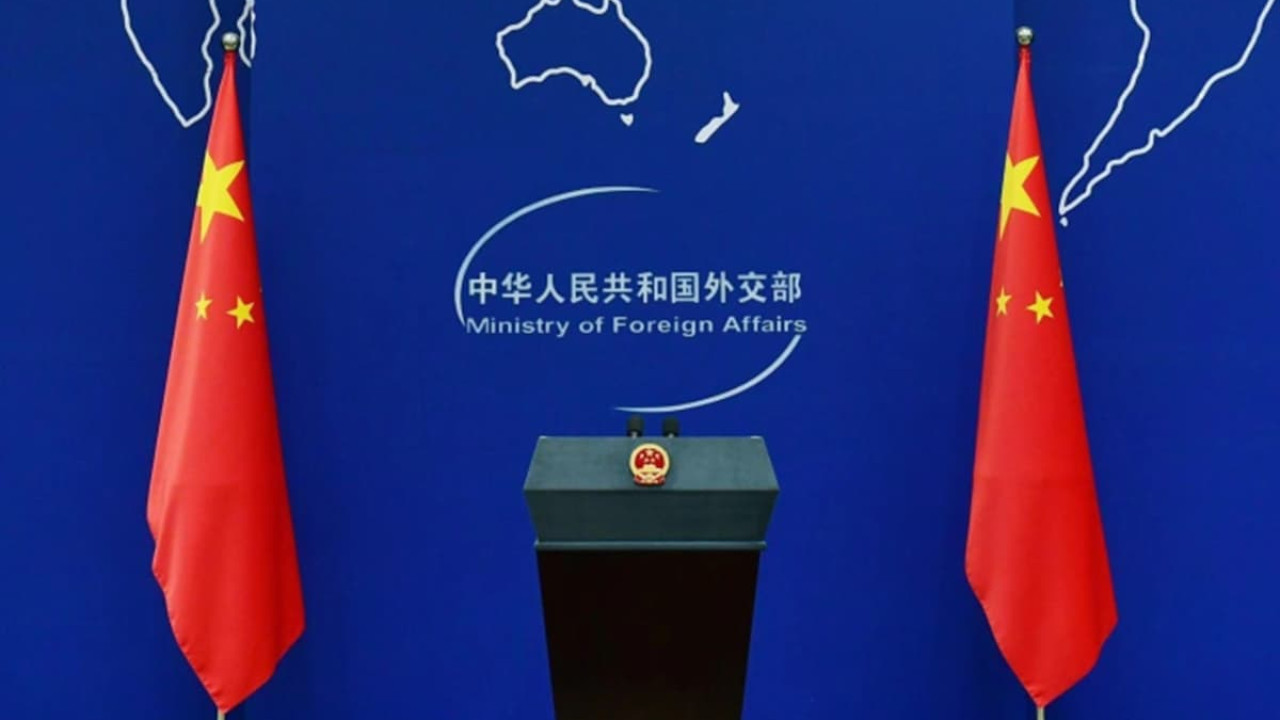
Beijing responded the same day through its Ministry of Foreign Affairs, dismissing the arbitration award as "illegal, null and void" and calling it "nothing but a worthless piece of paper."
China repeated its claims to sovereignty over the Paracel Islands, Spratly Islands, Pratas Islands, and Zhongsha group, arguing that its rights were established "in the long course of history." It also renewed its claim to "historic rights" across large areas of the South China Sea.
Rather than addressing the law, Beijing accused the United States and other outside powers of increasing their military presence and “fanning the flames” of regional tensions.
Also in line with this, China continued insisting that disputes should instead be resolved through direct negotiations, an approach that purposefully avoids the international legal framework it has already lost.
Rules-Based Order Is Not Optional
The latest exchange illustrates two fundamentally different visions of international order. The countries supporting the Philippines argue that disputes should be resolved through treaties, international courts, and legal rules that apply equally to all states. China argues that historical claims should take precedence over a legally binding ruling issued under a convention that Beijing itself ratified.
In the end, it exposes that Beijing is only willing to accept international law when it serves its interests. China rejects a binding ruling it dislikes while continuing to present itself on the world stage as a defender of a rules-based international order.
The gap between its rhetoric and its actions is impossible to miss.



Loading comments...