




LATEST PULSE
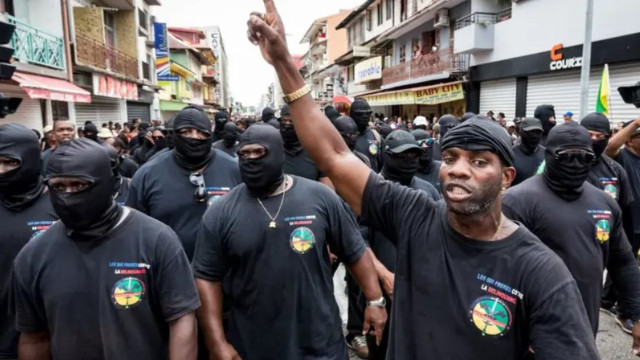
France’s Last Colony in South America Wants Control of Its Own Future
Every few months, Europe sends satellites into space from one of the poorest corners of the French Republic. The rockets rise from Kourou, in French Guiana, a small territory on South America’s northern coast that France once used as a prison colony and now uses as a key space launch site. The business brings in money and strategic power, not for locals, but for Paris. Outside the shiny, high-tech spaceport, life looks ver...
Read More →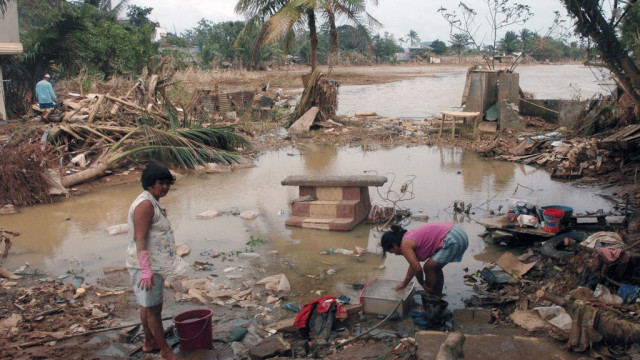
Climate Change and Health in Southeast Asia: How Rising Temperatures Help Diseases Spread
Editor's Note: This article is Part 1 of a three-part investigative series examining how climate change is reshaping health across Southeast Asia. Part 1 explores the spread of climate-sensitive diseases in the Philippines, Part 2 investigates the hidden health consequences of disasters in Vietnam, and Part 3 examines the growing mental health burden of environmental change. Climate change is increasingly being measured not only in stron...
Read More →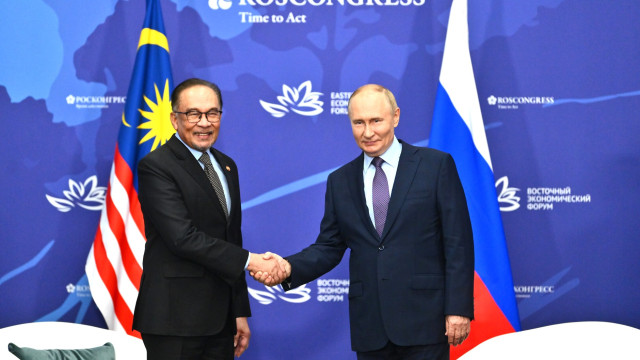
Powering the Future: Russia to Supply Malaysia with Long-Term Energy
Malaysia and Russia have announced a long-term energy supply agreement to secure a stable flow of oil and natural gas to Malaysia. Malaysian Prime Minister Anwar Ibrahim announced the arrangement at the ASEAN-Russia Commemorative Summit in Kazan, Russia on June 18, 2026. The agreement marks a shift from short-term annual and seasonal contracts toward multi-year commitments designed to improve supply stability. The move is expected to str...
Read More →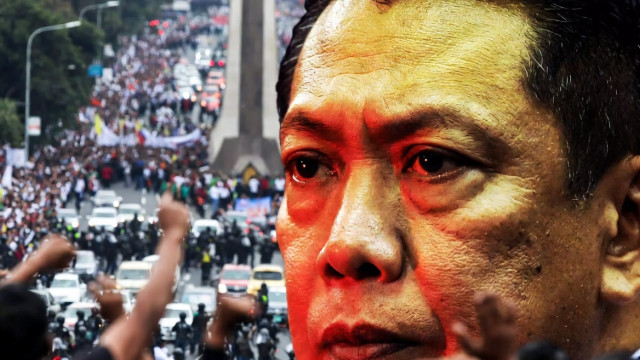
INC Protest Over Marcoleta Case Highlights the Philippines' Deepening Political Divide
Thousands of members of the Iglesia ni Cristo (INC), one of the Philippines' most politically influential religious organizations, gathered at the People Power Monument in Quezon City on June 30 to protest corruption charges filed against Senator Rodante Marcoleta. The demonstration caused major traffic disruptions, several arrests, and clashes with police, but it also highlighted something larger than one legal case. What began as a ral...
Read More →
India's Oman Bet: Trade Resilience or a New Geopolitical Gamble?
The India-Oman Comprehensive Economic Partnership Agreement (CEPA) entered into force on June 1, 2026, at a moment of growing instability in West Asia. As the US-Israel-Iran war disrupted shipping through the Strait of Hormuz, India suddenly found itself confronting the issue of how to secure trade routes in an increasingly uncertain world. New Delhi has presented the CEPA deal as a strategic breakthrough and the answer to the trade rout...
Read More →