




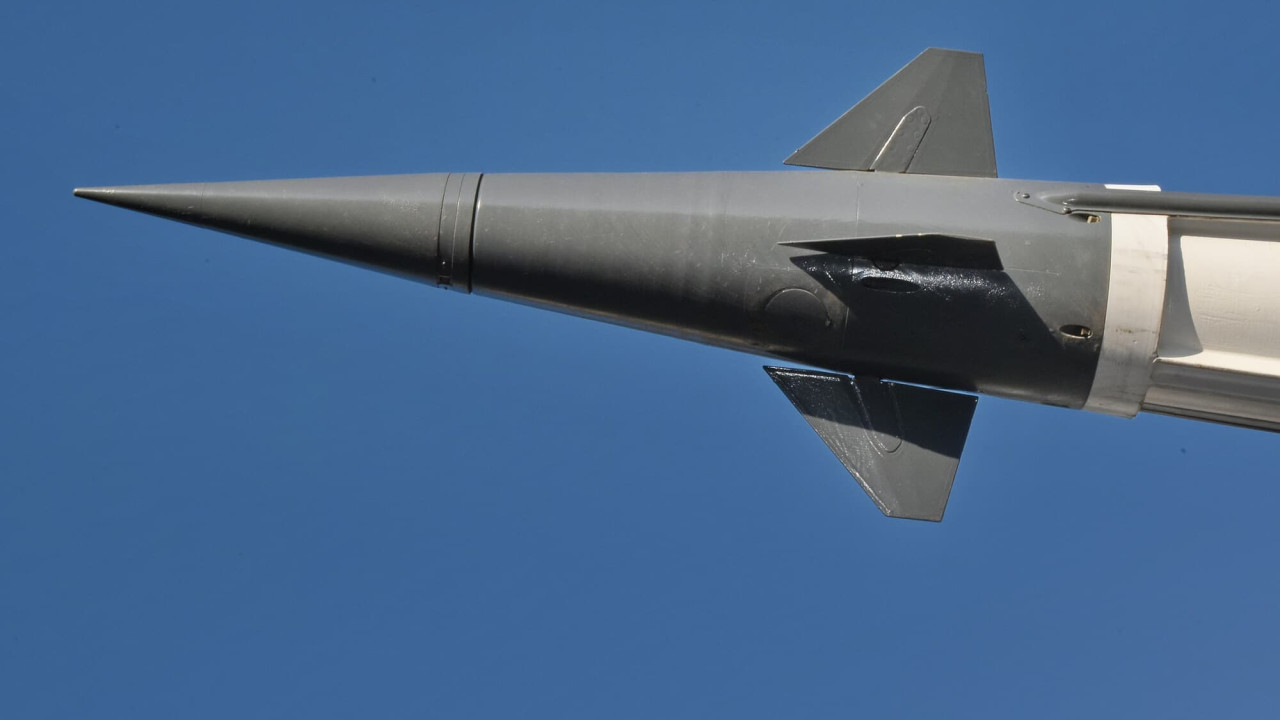
Malaysia and Norway are in the middle of a major diplomatic dispute after Norway blocked the export approval for Naval Strike Missiles just days before they were scheduled to be shipped.
The missile deal, signed in 2018 to strengthen Malaysia’s naval defense capabilities, had been years in the making, with Malaysia expecting delivery in July 2026. Norway’s last-minute decision has created frustration in Malaysia and raised concerns about the reliability of European defense partners.
Malaysia Left in Shock After Agreement Collapses
The cancellation of Malaysia's Naval Strike Missile (NSM) deal has become a major concern for Kuala Lumpur, disrupting years of defense modernization planning and raising broader questions about the reliability of international defense partnerships. Produced by Norwegian defense company Kongsberg Defence and Aerospace, the NSM was selected to equip Malaysia's Littoral Combat Ships and other naval vessels, with the system expected to enter service in July 2026 after nearly eight years of planning. However, Norway's decision to revoke the export license has left Malaysia without a key capability intended to strengthen maritime security as tensions in the South China Sea continue to grow.
Malaysia maintains that it fulfilled all contractual obligations, with reports indicating it had already paid approximately 95% of the contract value before the export license was withdrawn. Norway said the decision followed a reassessment of the global security environment, particularly after the war in Ukraine, and reflected stricter defense export regulations limiting the transfer of sensitive military technology to NATO allies and its closest security partners.
The decision has sparked criticism from Malaysia, which argues that changing the terms after the agreement was effectively completed undermines trust between countries. Prime Minister Anwar Ibrahim and other Malaysian officials warned that the cancellation could damage confidence in European defense suppliers and raise concerns about the reliability of future defense agreements.
Beyond the bilateral dispute, as the European Union seeks to strengthen security partnerships across the Indo-Pacific, disputes involving European defense exports risk weakening confidence among Southeast Asian nations that Europe can be a dependable long-term security partner.
Expanding Partnerships Beyond Traditional Allies
The breakdown of the missile agreement may push Malaysia to reassess its reliance on a limited number of defense suppliers. While Malaysia has historically worked with Western partners for advanced military technology, the dispute with Norway highlights the risks of depending heavily on a narrow group of suppliers when political and security conditions change.
Malaysia’s approach in other strategic sectors suggests that diversification is already part of its broader national security planning. In energy security, the country has expanded cooperation with a range of international partners, including Russia and Turkmenistan, to strengthen supply resilience and reduce dependence on any single source. At the regional level, Malaysia has also explored greater cooperation with neighboring ASEAN countries to improve energy connectivity and strengthen long-term resource security.
A similar approach could shape Malaysia’s future defense strategy. The country has already explored partnerships beyond traditional suppliers, including cooperation with Turkey on drone capabilities aimed at improving surveillance and maritime awareness in the South China Sea. These efforts reflect Malaysia’s attempt to strengthen its capabilities while maintaining flexibility in its international partnerships.
Whether Malaysia ultimately receives answers or compensation, the broader strategic lesson is already emerging. In an increasingly uncertain geopolitical environment, resilience may matter as much as capability, making reliable and diversified defense partnerships an increasingly important part of Malaysia's national security.


Loading comments...