




Malaysia is pushing forward with a major regional energy project that could reshape how electricity moves across Southeast Asia. Prime Minister Anwar Ibrahim announced plans to connect Sarawak's growing energy sector with neighboring countries through a vast undersea cable network.
The project would allow electricity generated in Sarawak to flow to Peninsular Malaysia, Sabah, Singapore, Indonesia, and the Philippines. It highlights Malaysia's growing role in regional energy cooperation at a time when demand for electricity is rising rapidly.
Why Sarawak Has Become an Energy Powerhouse
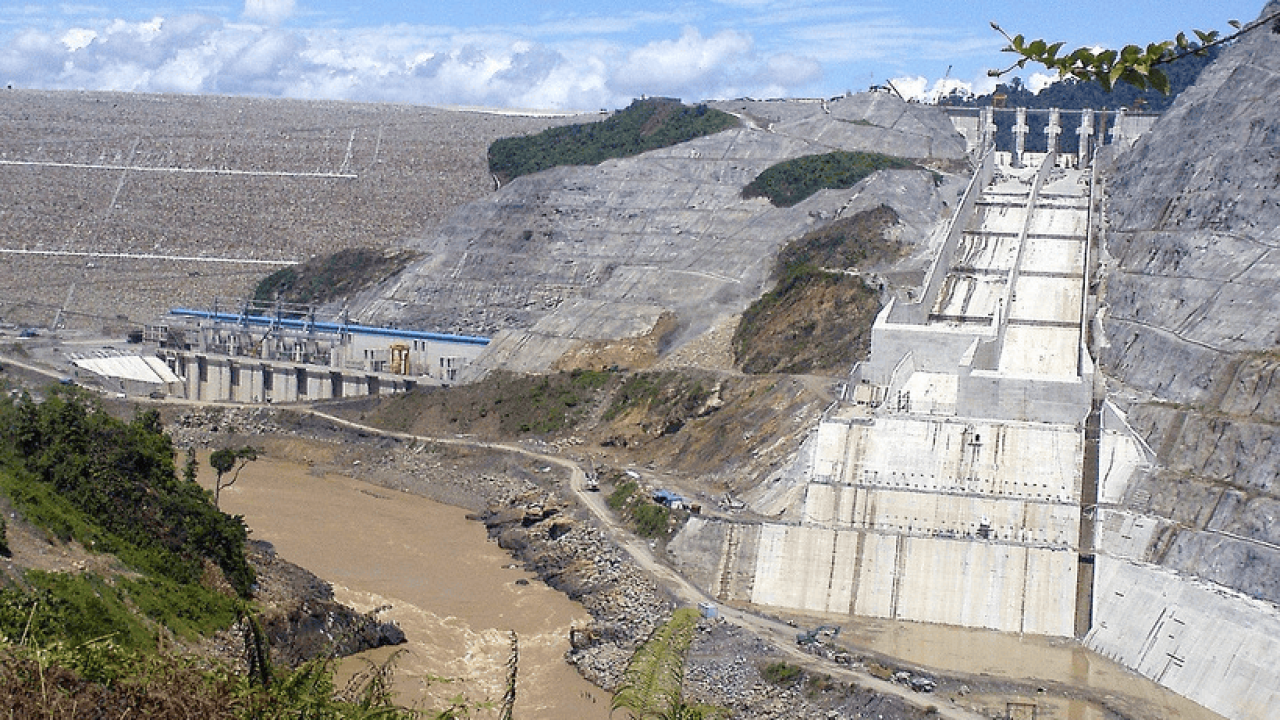
Sarawak has quietly built one of the strongest energy sectors in Southeast Asia. The Malaysian state currently operates three hydropower plants with a combined capacity of 3.5 gigawatts, enough to supply around three million households every day.
A fourth hydropower facility is under construction as part of Sarawak's plan to reach 10 gigawatts of power generation by 2030. Solar energy and natural gas are also expected to play an increasingly large role.
This growing capacity gives Sarawak more electricity than it currently needs. Instead of letting that surplus go unused, Malaysia sees an opportunity to export energy across borders and strengthen regional energy security.
Undersea Cables Could Transform Regional Connectivity
At the heart of the plan is a large undersea electricity cable network. One proposed connection between Sarawak and Singapore would stretch about 720 kilometers, mostly through Indonesian waters, and could begin commercial operations by 2031.
The project reflects a wider trend across Asia, where countries are looking for new and innovative ways to share energy resources. Greater connectivity can help stabilize electricity supplies, reduce shortages, and support economic growth.
Energy Demand Surges Alongside Digital Growth
Malaysia's energy ambitions are also linked to the country's expanding digital economy. Anwar highlighted Klang Valley, Sarawak, and Johor as emerging hubs for data centers and advanced digital infrastructure.
These facilities require massive amounts of electricity. Reliable power supplies will become increasingly important as artificial intelligence and other digital industries continue to grow.
By linking energy systems across borders, countries can share resources more efficiently while supporting long-term growth. If successful, the project could become one of the region's most significant energy integration efforts in the coming decade.


Loading comments...