




Editor's Note: This article is Part 2 of a three-part investigative series examining how climate change is reshaping health across Southeast Asia. Part 1 explores the spread of climate-sensitive diseases in the Philippines, Part 2 investigates the hidden health consequences of disasters in Vietnam, and Part 3 examines the growing mental health burden of environmental change.
When climate disasters strike, the damage is usually measured in flooded homes, destroyed infrastructure, and economic losses. But some of the most serious consequences emerge only after the headlines fade.
Across Southeast Asia, extreme weather is increasingly disrupting food production, contaminating water supplies, and straining public health systems. Yet some of the most serious consequences emerge only after the floodwaters recede, as food insecurity and poor nutrition gradually undermine community health and resilience.
In Vietnam’s Mekong Delta, one of the country’s most productive agricultural regions, these longer-term impacts are becoming increasingly visible.
The Mekong Delta Under Pressure
Often described as Vietnam's "rice bowl," the Mekong Delta is home to nearly 20 million people and produces more than half of the country's staple crops, around 65% of aquaculture output, and roughly 70% of its fruit. It also plays a critical role in global rice markets.
Yet the environmental conditions that made the delta one of Asia's most productive agricultural regions are becoming increasingly unstable.
Sea levels are rising. Dry seasons are becoming more severe. Saltwater is pushing farther inland through river networks. When freshwater flows weaken, seawater can travel deep into agricultural areas, damaging crops and contaminating drinking water supplies.
During major salinity intrusion events in 2016 and 2020, more than 160,000 hectares of rice paddies were damaged, while saltwater penetrated over 100 kilometers inland in some areas.
These losses are often discussed as agricultural or economic problems. They are also public health problems. For poorer households, declining harvests and rising food prices can mean reduced food quality, lower nutritional intake, and greater vulnerability to illness.
When Food Security Becomes a Health Issue
During Vietnam's severe 2016 drought, nearly one million people across central and southern provinces faced shortages of clean drinking water. Crop failures and livelihood losses placed additional strain on communities already facing economic hardship.
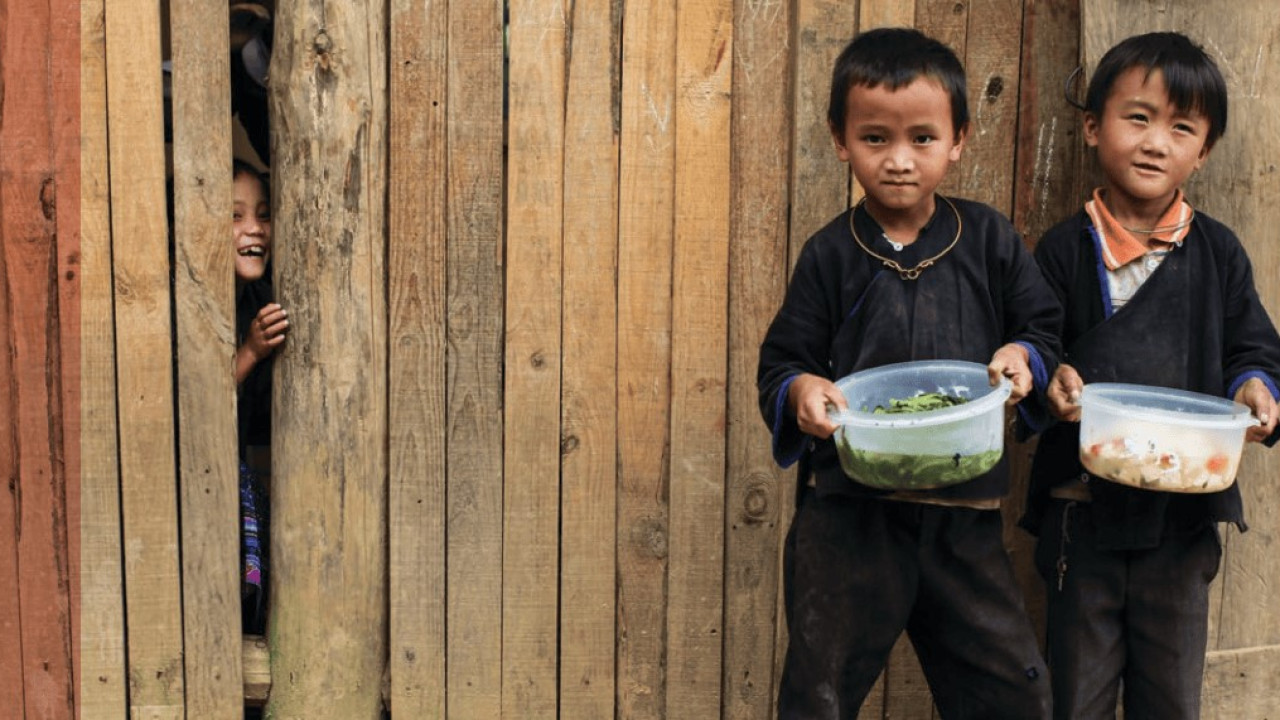
In parts of the Mekong Delta, these pressures have been linked to increasing food insecurity and child undernutrition. Some households report changing feeding practices for infants and young children when food becomes less available or more expensive.
The consequences can last a lifetime. Children who experience chronic undernutrition during critical stages of development often face higher risks of stunting, poorer educational outcomes, lower lifetime earnings, and long-term health complications.
Undernutrition also weakens immune systems, making individuals more susceptible to infectious diseases. Illnesses such as diarrheal disease and dengue become more dangerous when populations are already nutritionally vulnerable.
Climate change therefore influences health in two ways. It can increase exposure to disease, while also reducing the body's ability to resist it.
The Crisis After the Storm
The most visible damage from disasters is often repaired first. Roads reopen. Homes are rebuilt. Emergency assistance arrives and eventually departs.
But the less visible impacts often remain.
Across Southeast Asia, climate change is creating health risks that do not follow the timeline of disasters. Instead, they unfold gradually through disrupted food systems, declining nutrition, and growing pressure on vulnerable communities.
In Vietnam's Mekong Delta, the lesson is increasingly clear: climate change is not only threatening agriculture. It is threatening the foundations of long-term public health.
Loading comments...