




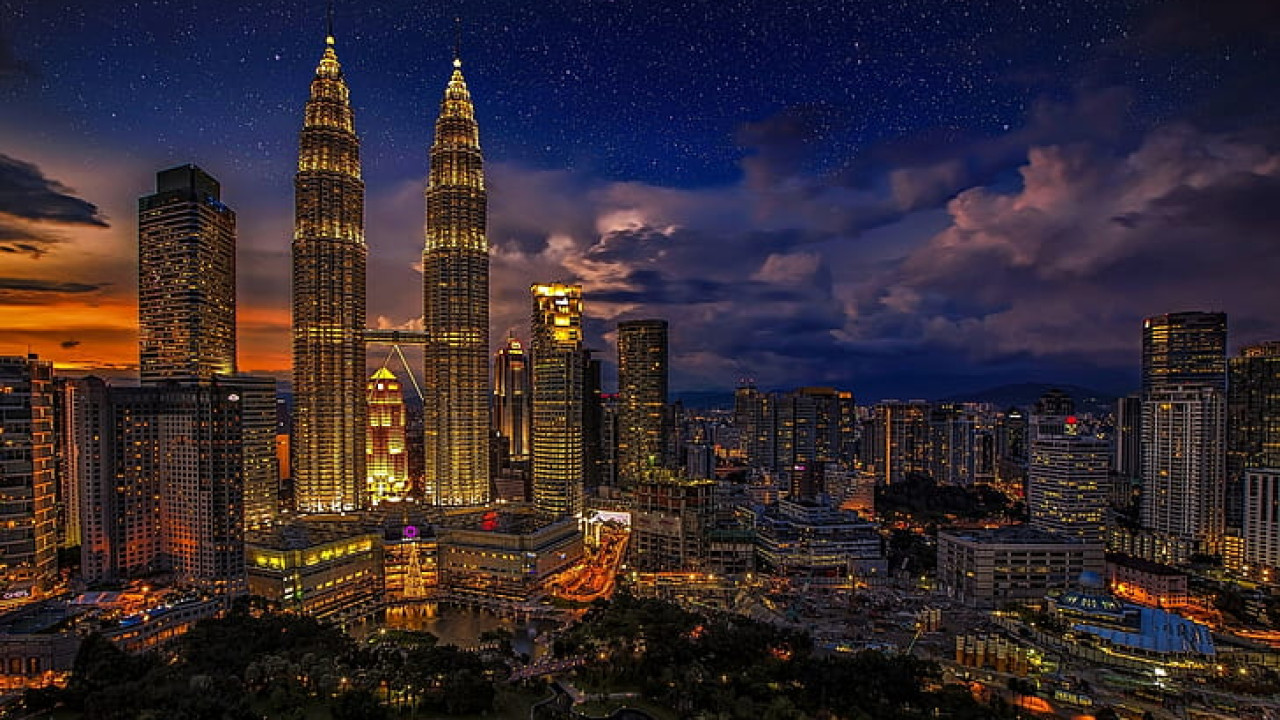
Malaysia is expanding its long-term energy presence deeper into Central Asia, with Petroliam Nasional Bhd, also known as Petronas, securing access to major gas fields in Turkmenistan.
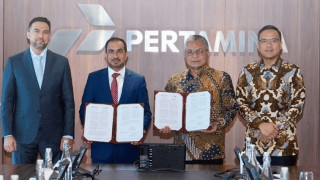
On June 19, 2026, an agreement was reached following close engagement between Prime Minister Anwar Ibrahim and Turkmenistani President Serdar Berdimuhamedov, building on more than 30 years of Malaysia-Turkmenistan energy cooperation. The deal reflects both countries' effort to strengthen energy security, diversify supply chains, and reduce exposure to global market volatility.
Taken together with recent cross-border energy agreements in Southeast Asia, the deal also highlights how middle powers are strengthening their international energy partnerships as a means of reinforcing strategic autonomy.
Who Benefits from the Energy Deal?
The deal ultimately serves the interests of both nations. Turkmenistan holds some of the world’s largest natural gas reserves, giving it significant long-term export potential. However, fully developing these reserves depends on access to investment, technical expertise, and global energy markets — areas where Malaysia can play a crucial role.
Malaysia, through Petronas, brings decades of experience in energy exploration, production, and global operations. It also contributes through training, skills development, and institutional cooperation, including partnerships with Universiti Petronas and Malaysia’s Technical Cooperation Program under the Ministry of Foreign Affairs. For Malaysia, deeper involvement in Turkmenistan’s energy sector also supports diversification of its own energy portfolio and long-term supply.
Beyond hydrocarbons, the agreement opens space for wider cooperation in technology, education, and human capital development. Major energy projects typically create broader economic opportunities, including jobs in engineering, logistics, construction, and related services, while also strengthening local industrial capacity. This complements Malaysia’s efforts to link its energy diplomacy with advances in science, technology, research, semiconductor education, and artificial intelligence.
A Nation That Does Not Control Its Energy Cannot Control Its Future
Energy security is increasingly inseparable from national security. For middle-power states like Malaysia and Turkmenistan, arrangements of this kind help reduce exposure to external shocks and avoid overdependence on any single partner. In a global environment shaped by superpower rivalry, fragile supply chains, and repeated disruptions to key transit routes, countries without stable energy supply risk having their economic flexibility and strategic autonomy constrained by larger powers.
For Malaysia, however, this challenge is being turned into an opportunity. The Turkmenistan deal, as well as other recent agreements like Petronas’ long-term LNG supply deal with Japan’s JERA power company, reflects Malaysia's rise as a reliable and trusted global energy partner. In a fragmented global energy landscape, reliable partners reduce volatility for everyone. Malaysia’s expanding presence in Central Asia, East Asia, and beyond strengthens not just its own resilience, but also the energy security of its partners.
Ultimately, a nation that does not control its energy security cannot fully control its economic future. But equally, countries that become reliable energy partners gain influence, stability, and economic opportunity. For Malaysia, Turkmenistan, and other states linked through these emerging energy networks, cooperation of this kind is about putting the power — both literally and figuratively — back into their own hands.

Loading comments...