




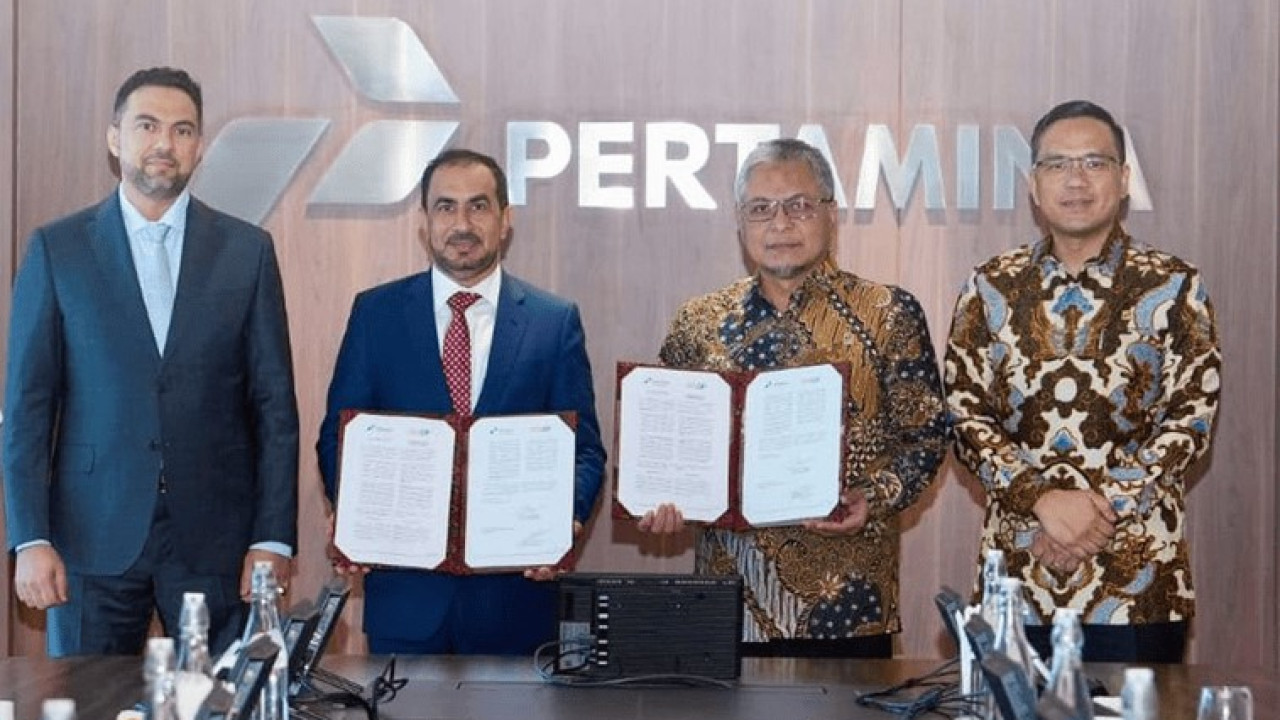
Indonesia and Oman are deepening their energy cooperation through a new agreement that reflects a wider shift in how regions collaborate on energy issues. The two countries are moving beyond traditional trade and toward longer-term investment partnerships that link their national energy strategies more directly.
While the agreement is still at an early stage, it signals how energy diplomacy between the Arab Gulf and Southeast Asia is becoming more structured and more strategic.
Rethinking Cross-Border Investment
Energy partnerships are no longer just about buying and selling oil. Countries are increasingly investing directly in each other's energy industries, giving them a stake in future production and stronger long-term economic ties.
National oil companies are driving much of this shift. Rather than operating only at home, they are investing overseas, sharing technology, financing projects, and developing oil and gas fields together.
One of the most important areas is upstream oil and gas, the stage of the industry that involves exploring for and producing hydrocarbons. Control over upstream projects helps determine who will supply energy in the future and who benefits from new discoveries.
Indonesia is already moving in this direction. Through its state-owned energy companies, it has expanded investments both domestically and abroad. The agreement with Oman reflects that broader strategy of building partnerships beyond Indonesia's borders.
The country has also awarded new exploration and production licenses—known as oil and gas blocks—to international companies and consortia from the United Arab Emirates, Japan, China, and elsewhere. These projects spread financial risk, attract foreign expertise, and deepen Indonesia's integration into regional energy markets.
The broad trend is that national oil companies are no longer simply managing domestic resources, but also becoming international investors, using cross-border partnerships to strengthen energy security, expand commercial opportunities, and increase their strategic influence.
Oman’s Expanding Energy Links Across Asia
Indonesia is not the only Asian country attracting Oman's attention. In recent years, Muscat has expanded its energy partnerships with countries including Turkey, China, and Malaysia as part of a broader strategy to diversify its international energy ties.
The relationship with Malaysia illustrates this approach. What began as a cooperation agreement has evolved into a formal offshore exploration concession, moving both countries beyond dialogue to joint investment and project development.
This reflects how Oman is repositioning its energy sector. Rather than relying solely on exporting oil and gas, it is increasingly taking minority stakes and forming joint ventures in overseas projects. That strategy allows Muscat to spread financial risk, secure long-term returns, and strengthen its presence in Asia's rapidly growing energy markets.
The shift is also part of a wider regional trend. Gulf national oil companies are becoming increasingly active in Southeast Asia's upstream energy sector, investing directly in exploration and production projects rather than limiting their role to supplying crude and liquefied natural gas. Energy ties between the Gulf and Asia are becoming more integrated, with investment increasingly complementing trade.
Energy Diplomacy in a More Multipolar World
Countries are becoming less reliant on traditional supplier-customer relationships and more focused on building long-term investment partnerships.
For Gulf states such as Oman, deeper engagement with Southeast Asia opens access to fast-growing markets while reducing dependence on a narrower set of trading partners. For Indonesia and other regional producers, these partnerships provide new sources of capital, technology, and expertise for developing energy resources.
The result is a more interconnected energy landscape. Investment, technology, and production are increasingly flowing across regions through joint ventures and state-backed partnerships rather than through fixed political or economic blocs.
As these links deepen, energy cooperation is becoming about more than securing supplies or attracting investment. It is also becoming a tool of diplomacy, allowing countries to expand their influence, diversify their relationships, and strengthen their position in a more multipolar world.

Loading comments...