




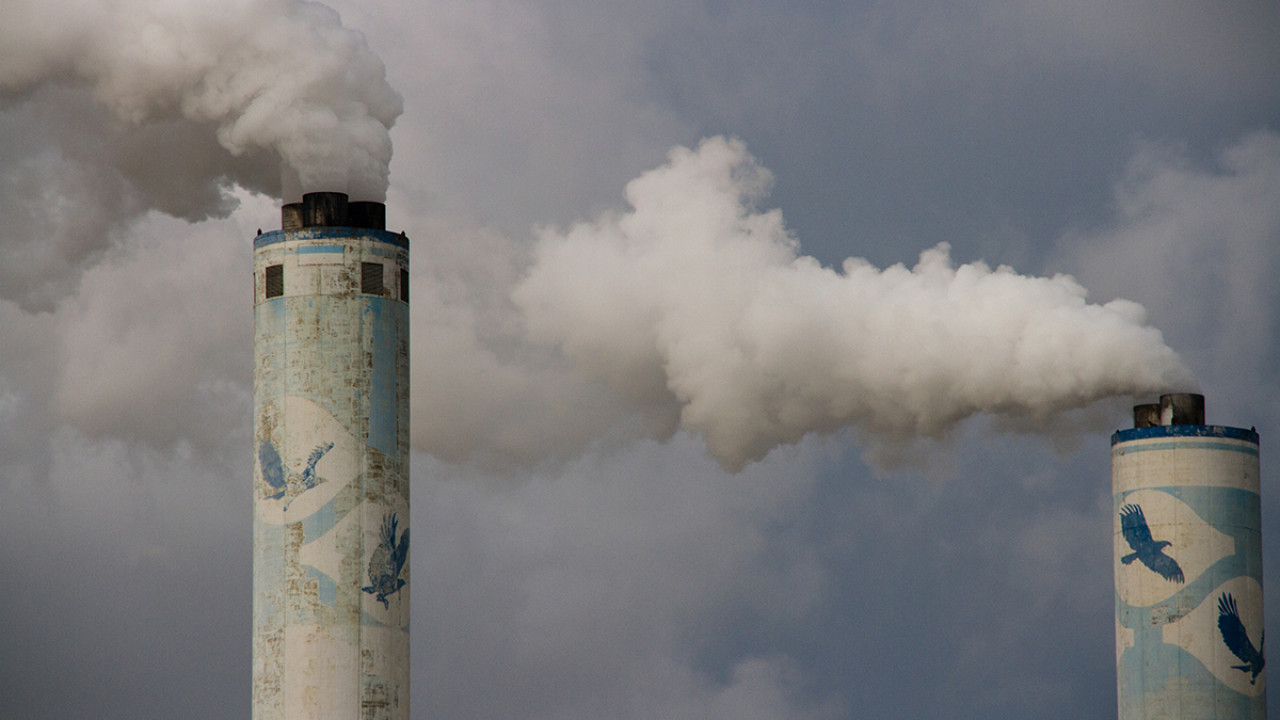
Mozambique's liquefied natural gas (LNG) was meant to be a pillar of the next global LNG supply wave. Instead, domestic instability, economic challenges, and contractual disputes have turned it into a test of whether large-scale gas projects can deliver in high-risk environments. Its challenges highlight a growing need to reassess where future LNG capacity will come from.
Major Gas Project Faces Disruption
The Mozambique LNG project is a large-scale LNG development designed to commercialize offshore gas reserves discovered in the Rovuma Basin off northern Mozambique. Led by TotalEnergies, the project includes offshore production, processing, liquefaction facilities at Afungi, and LNG exports to global markets.
Following major discoveries in the early 2010s, the project progressed rapidly, with key milestones including Mozambique’s LNG Decree Law in 2014 and approval of the development plan in 2018, backed by approximately $20 billion in financing. However, escalating insurgent violence in Cabo Delgado halted the project in 2021. A March 2021 attack by Islamic State-linked militants in Palma, around 10 kilometers from Afungi, forced TotalEnergies to evacuate personnel and declare force majeure on April 26, 2021.
The four-year suspension significantly altered project economics, with TotalEnergies estimating around $4.5 billion in additional costs. While the company initially sought a 10-year concession extension, Mozambique approved only the recovery of the 4.5 years lost during the delay. Following a January 2026 restart agreement, construction resumed with first completion date targeted for 2029.
Implications for Global LNG Markets
The restart of Mozambique LNG in 2026 represents a missed opportunity for European and Asian markets that had relied on the project as a future alternative. Originally expected to supply LNG by 2024-2025, the four-year delay forced buyers to secure more expensive and strategically complex alternatives, reducing the project’s original value as a supply diversification proposal.
For Europe, the delay weakened a key pillar of its post-Russian 2022 energy strategy. Mozambique’s planned 13.1-mtpa capacity was expected to help replace Russia's pipeline gas and reduce exposure to volatile global markets. Instead, European buyers have remained heavily dependent on LNG from the US and Qatar, while continuing to navigate the political and security risks associated with global supply routes.
For Asia, the appeal of Mozambique LNG was that it would help diversify away from routes vulnerable to Middle East disruptions. With the project offline, major buyers including Japan, India, and China moved to secure additional long-term contracts from Australia, the US, and Qatar. This shift has become even more significant amid the US-Israel-Iran war, which has increased concerns over the security of LNG flows through the Strait of Hormuz and reinforced Asian demand for alternative supply sources.
A Delayed Promise in a Changing LNG Market
Mozambique LNG’s return is a positive signal for global gas markets, but the project no longer carries the same strategic weight it once did. The four-year delay has shifted supply expectations, forced buyers to secure alternative contracts, and exposed the vulnerability of relying on large-scale energy projects in high-risk environments.
While LNG exports by 2029 could still add meaningful capacity to global markets, the project’s challenges highlight a broader reality: future LNG security will depend not only on resource availability, but also on political stability, infrastructure resilience, and the ability to deliver supply when markets need it most. For Europe and Asia, Mozambique remains an important source of diversification, but it is no longer the guaranteed solution once envisioned.
Loading comments...