




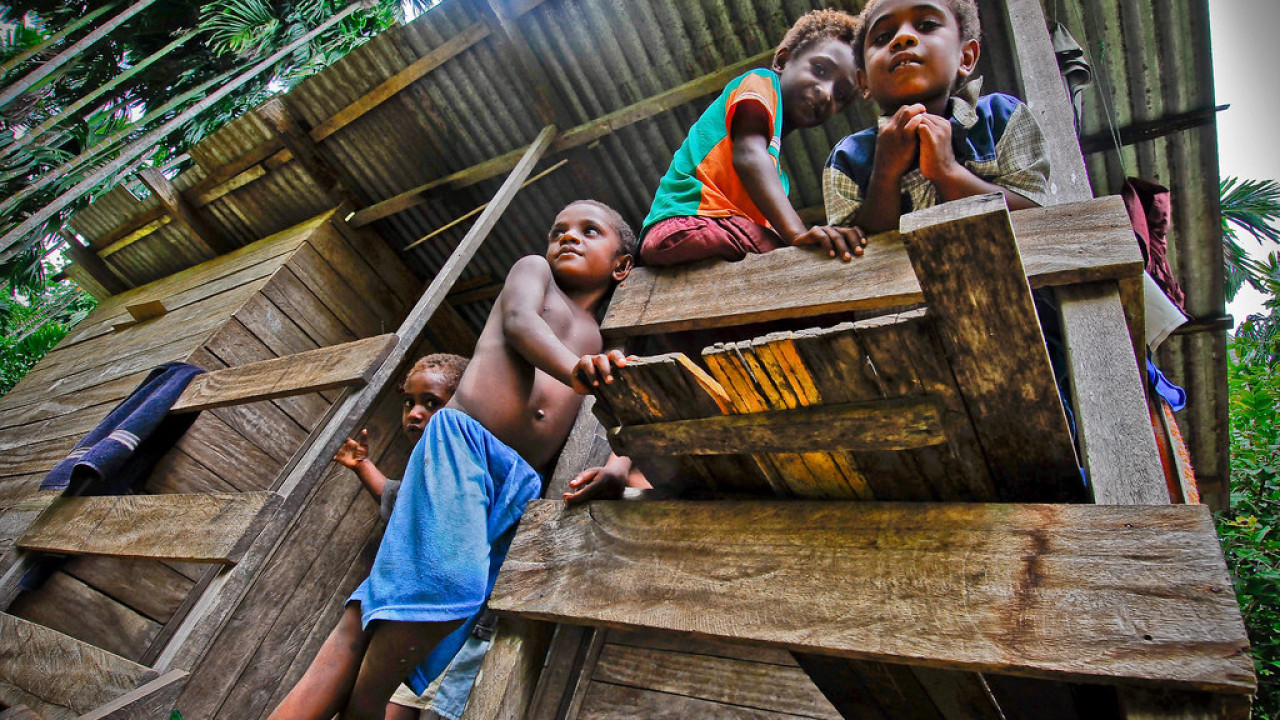
On June 5, EIB Global, the development arm of the European Investment Bank (EIB), announced a $25 million financing package for Papua New Guinea (PNG) to expand drinking water infrastructure in towns across the country.
The investment comes as PNG faces one of the world's most severe water access challenges. Despite abundant freshwater resources, only 37-45% of the population has access to basic drinking water services, with coverage in rural areas falling to as low as 14-20%.
Financing Structure and Expected Impact
The project is being financed through a concessional loan from EIB Global to the PNG government, with implementation led by the state-owned utility Water PNG. The European Union is supporting the initiative through a €13.4 million investment grant and €3 million in technical assistance under its Global Gateway strategy.
According to European Commissioner for International Partnerships Jozef Sikela, the project demonstrates the strength of the EU-Papua New Guinea partnership. The initiative is expected to provide clean water access to an additional 400,000 people while improving public health, climate resilience, and economic opportunities in local communities.
The financing also reflects a broader, long-standing relationship between EIB Global and Papua New Guinea. Since 1978, the EIB has committed more than €250 million to projects spanning transport, energy, water, agriculture, mining, and private sector development. In recent years, support has increasingly focused on climate-resilient infrastructure, including the construction of nine bridges that have strengthened connectivity and improved access to markets and essential services nationwide.
Why Water Access Remains a Major Challenge
The latest investment targets limited access to safe drinking water, which has been a persistent obstacle to PNG's social and economic development. Aging infrastructure, inadequate service networks, and environmental degradation have left millions dependent on unsafe surface water sources.
Because of this, waterborne diseases such as cholera, dysentery, and diarrhea remain major public health threats, particularly for children under five, contributing to high rates of illness, malnutrition, and stunting. Women and girls often bear a disproportionate burden, spending hours collecting water and facing barriers to education and adequate sanitation.
Addressing these challenges is central to the PNG's National Water, Sanitation and Hygiene Policy, which aims to increase access to safe water to 70% of the population by 2030. Against this backdrop, the EIB Global-backed project represents an important step toward expanding access to safe water and supporting PNG's broader development goals.
The Challenge Beyond Financing
The project promises tangible benefits for hundreds of thousands of Papua New Guineans, but it also raises broader questions about long-term sustainability and implementation capacity. While concessional financing and technical assistance can help address funding gaps, lasting progress will depend on the ability of institutions such as Water PNG to operate, maintain, and expand services over time.
The investment also highlights the growing intersection between water security and climate resilience. As climate change increases the frequency of extreme weather events across the Pacific, more resilient water infrastructure will be essential to protecting communities from service disruptions and safeguarding public health.
Ultimately, the initiative represents an important step toward closing Papua New Guinea's water access gap, but achieving the country's long-term public health and development targets will require sustained investment, stronger institutions, and continued support from partners.
Loading comments...