




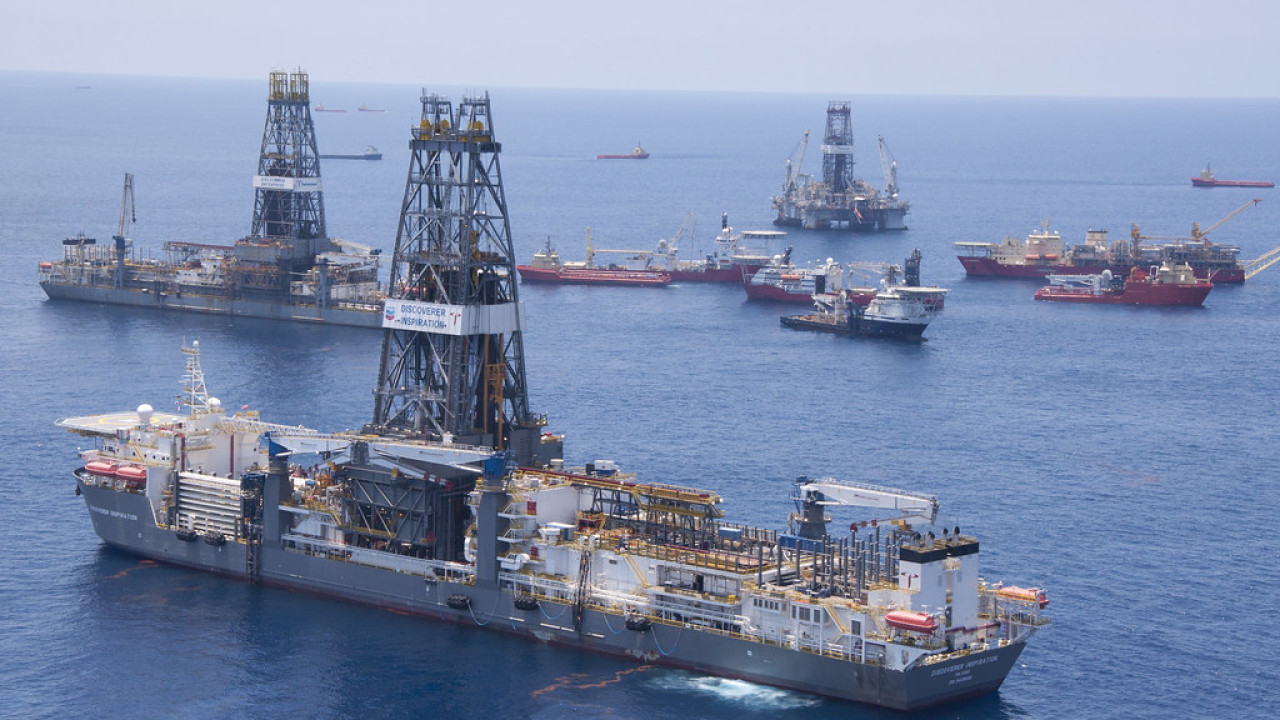
Some of Southeast Asia's largest energy companies are joining forces to produce more oil from fields that have been operating for decades. Rather than searching for new discoveries, Malaysia, Indonesia, and Thailand are working together to extend the life of existing oil fields using technologies that can recover oil previously left underground.
The initiative reflects a broader effort to strengthen Southeast Asia's energy security after the US-Israel-Iran war exposed the region's vulnerability to supply disruptions through the Strait of Hormuz. By producing more oil from existing fields, governments hope to reduce dependence on distant suppliers while making better use of the resources already available at home.
New Technology Is Giving Old Oil Fields a Second Life
The new initiative brings together Malaysia's Petronas and Malaysia Petroleum Management (MPM), Indonesia's Pertamina, and Thailand's PTTEP to share technology, research, and operational experience across the region.
Many of Southeast Asia's largest oil fields have been producing for decades, but a significant amount of oil still remains trapped underground after conventional extraction methods have reached their limits. The partnership focuses on improving recovery techniques that inject water, gas, or other substances into reservoirs to push more oil toward existing wells, allowing operators to produce from fields that were once thought to be nearing the end of their commercial life.
To support that effort, Malaysia has launched the MPM Digital Intelligence Centre (MDIC), which enables national oil companies to share geological data, compare field performance, and identify the most effective recovery methods. Instead of each company solving the same problems independently, the platform allows knowledge and technology to be shared across projects throughout Southeast Asia.
The result is not simply more oil production. It is a regional effort to lower costs, extend the life of existing fields, and reduce the need for expensive new exploration.
ASEAN Is Building Energy Security Together
The partnership reflects a broader shift in how Southeast Asia is approaching energy security. The disruption of oil shipments through the Strait of Hormuz exposed how vulnerable many ASEAN economies are to crises affecting distant shipping routes.
Rather than relying only on new imports or waiting for major oil discoveries, governments are increasingly looking at how the region can produce more with the resources it already has. Recovering more oil from existing fields is one way to strengthen domestic supply while reducing exposure to external shocks.
It also reflects a wider change in the role of ASEAN's national energy companies. Instead of operating mainly within their own borders, companies such as Petronas, Pertamina, and PTTEP are increasingly sharing technology, expertise, and investment to solve common challenges. Energy security is becoming less about what each country can achieve alone and more about what the region can build together.
For ASEAN, that may be the agreement's most important legacy. As geopolitical tensions make global energy markets more unpredictable, regional cooperation is becoming a strategic asset. The more Southeast Asia can develop its own resources collectively, the less vulnerable it becomes to crises originating far beyond its shores.

Loading comments...