




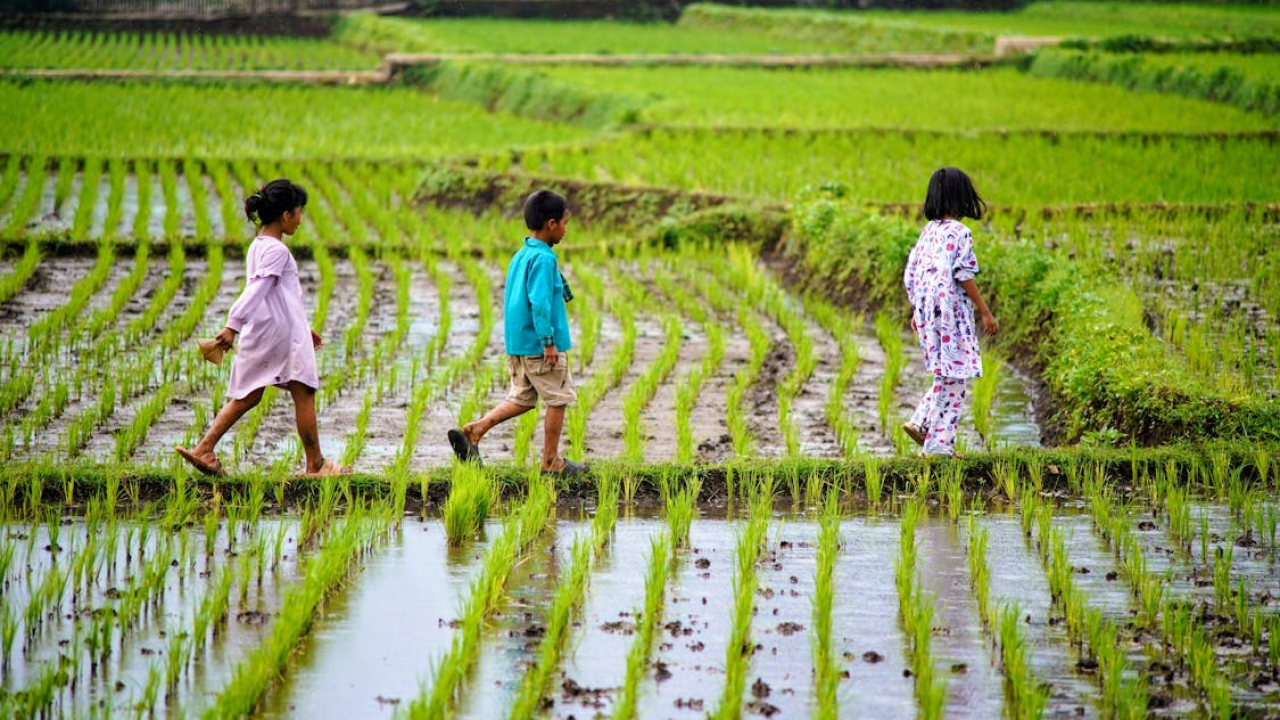
Rice prices across Asia surged in April 2026, marking the fastest increase in more than two years. The spike is being driven by a combination of war-driven costs, dry weather, and supply stress. For Southeast Asia, where rice is both a staple food and a major economic sector, the impact is immediate and widespread.
A Staple Under Pressure
Rice is central to daily life across Southeast Asia. In countries such as Thailand, Vietnam, Indonesia, and the Philippines, it is consumed at nearly every meal and provides a core source of nutrition. It also supports millions of farmers, especially in rural areas where livelihoods depend on stable harvests.
This makes rice more than a commodity. It is a system that links food security, income stability, and social cohesion. When prices rise sharply, the effects move quickly from farms to households, increasing pressure on both consumers and governments.
Beyond economics, rice holds deep cultural meaning. In many
...


Loading comments...