




Pakistan’s ambition to become a major defense exporter suffered a serious setback when a proposed billion-dollar arms deal with Sudan collapsed after Saudi Arabia reportedly withdrew its financial backing in April. The agreement was expected to be one of the largest defense export deals in Pakistan’s history and Islamabad's gateway into African defense markets.
The episode exposed a reality that has long shaped Pakistan’s foreign policy. While Islamabad has sought a larger international role through military cooperation and arms sales, many of its strategic ambitions still depend on the support and priorities of wealthier partners, particularly the Arab Gulf states.
Yet at the same time, Pakistan has recently found itself playing a different role in regional affairs. Its involvement in efforts to help ease tensions surrounding the US-Israel-Iran war suggests that diplomatic influence, rather than military projection, may offer a more sustainable path to international relevance.
Sudan Arms Deal Reveals Limits of Pakistan’s Strategic Reach
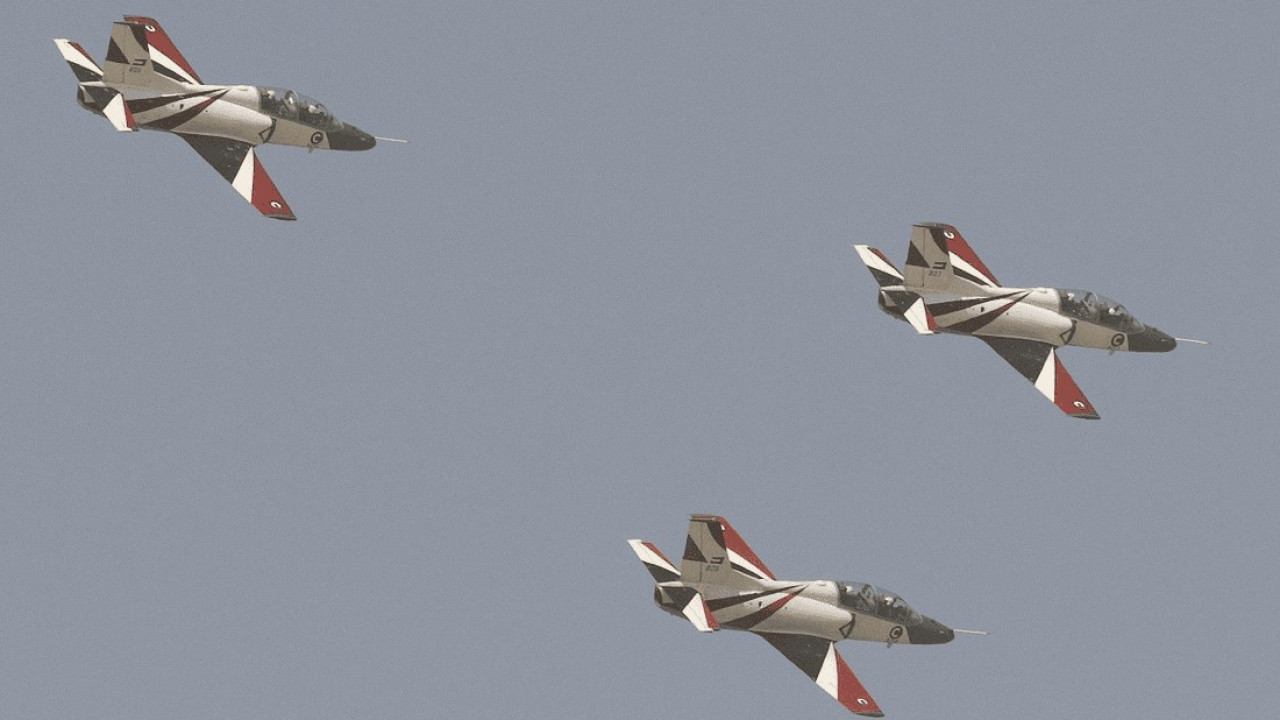
The proposed Sudan deal, valued at around $1.5 billion, included aircraft, drones, armored vehicles, and Chinese-origin air defense systems routed through Pakistan. For Islamabad, the deal was not just a lucrative commercial transaction, it was also an opportunity to establish itself as a significant security actor in Africa.
Pakistan’s defense industry has increasingly looked abroad as the country struggles with recurring economic crises, foreign exchange shortages, and limited export growth. Defense exports offer a potential source of revenue and a way to expand political influence.
Sudan appeared to be an ideal entry point. Success there could have strengthened Pakistan’s position in other African markets, including the Horn of Africa, East Africa, and the Sahel. It also would have expanded Islamabad’s influence among Muslim-majority African states and within international organizations such as the Organization of Islamic Cooperation.
Unfortunately, the deal's collapse exposed one of Islamabad's fundamental weaknesses: overdependence on Saudi financing and political support. Once Riyadh shifted its position, the project quickly unraveled. The setback highlights a broader challenge for Islamabad, where its ambitious foreign policies often require economic resources that it currently lacks. As a result, Islamabad remains vulnerable to changing priorities among its partners.
Gulf States Are Losing Their Risk Appetite
Since 2023, Sudan has been torn apart by a power struggle between the Sudanese Armed Forces and the Rapid Support Forces. The war has drawn in competing regional interests, turning Sudan into a key arena for influence in the Red Sea and Horn of Africa regions. A major influx of advanced weapons could have intensified the fighting and drawn additional outside powers into the conflict.
Saudi Arabia’s decision to back out appears to reflect a larger regional trend. In recent years, the Arab Gulf states have increasingly favored de-escalation over direct involvement in overseas conflicts. Much of this is due to lessons learned from failed interventions, such as Saudi Arabia's decision to get involved in Yemen's civil war.
The decision to withdraw backing for the Sudan arrangement suggests Riyadh now sees crisis management as more valuable than fueling new geopolitical competitions.
This shift has important consequences for countries such as Pakistan. For decades, Islamabad leveraged military cooperation and security partnerships to build influence across the Muslim world, as well as gain backing from the oil-rich Gulf countries. However, if the Gulf powers become less interested in military ventures abroad, Pakistan may find fewer opportunities to expand through defense exports.
Mediation Could Become Pakistan’s Strongest Strategic Asset
While the Sudan episode highlights Pakistan’s limitations, Islamabad's recent diplomacy surrounding the US-Israel-Iran war points to a different source of influence.
Unlike arms deals, diplomatic mediation requires political relationships, strategic credibility, and the ability to communicate with competing sides. These are areas where Pakistan possesses certain advantages. In particular, it maintains important ties with the Arab Gulf states while also sharing a border and longstanding relationship with Iran. This unique position has allowed Islamabad to engage with countries on both sides of the conflict and serve as a conduit for communication and negotiation.
The contrast is striking. Pakistan's efforts to project influence through military exports remain constrained by economic realities and dependence on external financing, but it's diplomatic engagement, which relies less on financial resources and more on political trust, has so far been crucial to holding the US-Iran ceasefire mostly in check.
As regional powers increasingly prioritize stability and crisis management, countries capable of facilitating dialogue may become more valuable than those seeking to expand military influence abroad. For Pakistan, that changing environment could present an opportunity to redefine its role in regional and global affairs.


Loading comments...