




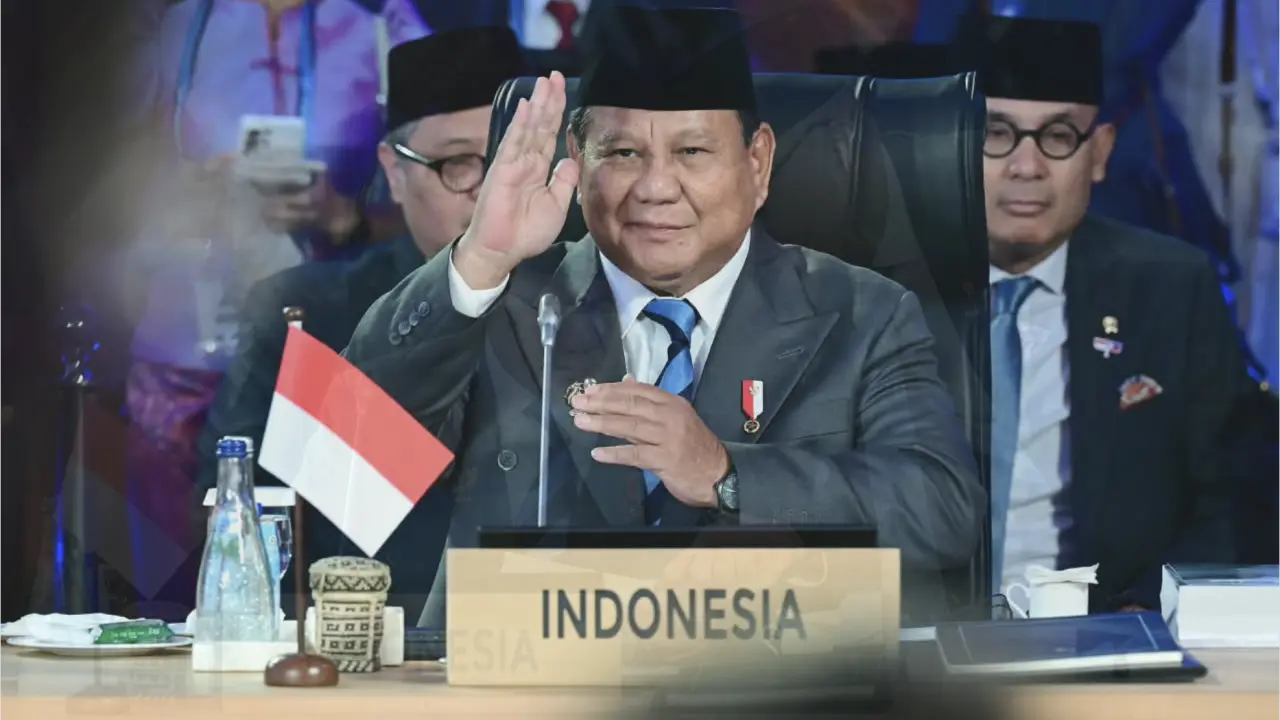
On November 15, Indonesian President Prabowo Subianto appeared to apologize to Malaysia and Singapore at the ASEAN summit in Manila after nearly four months of devastating wildfires sent toxic smoke across Southeast Asia.
But then came a caveat: “It is not our fault.”
Between August and October, the haze affected an estimated 82 million people in Indonesia, 28 million in Malaysia, and 6 million in Singapore. Smoke also reached Brunei and the Philippines, while schools closed in parts of Indonesia and Malaysia.
Prabowo insisted his government had done its best. He announced that 17 corporate concessions had been revoked, 11 companies charged, and 104 firms placed under police investigation. He also promised a new wildfire prevention agency.
But his refusal to accept responsibility comes after months of controversy over his government's handling of the disaster. Prabowo has defended the expansion of palm oil plantations, faces a lawsuit alleging negligence over the fires, and recently replaced his disaster agency chief amid a corruption investigation involving emergency contracts.
Prabowo Wants More Palm Oil but Not the Blame
Prabowo has championed Indonesia's plantation-driven development model, despite longstanding concerns about deforestation and the destruction of peatlands that make the country more vulnerable to devastating fires.
In December 2024, he called for expanding palm oil plantations and dismissed concerns about deforestation, arguing that oil palms are trees too. His government has also designated 20 million hectares of forest areas for food, energy, and water projects, including large areas of natural forest.
For decades, forests have been cleared and peatlands drained for commercial agriculture. Once dry, peat can burn underground for weeks, making fires extraordinarily difficult to extinguish. Extreme drought and El Niño worsened this year's disaster, but the vulnerabilities were already there.
Greenpeace identified fire hotspots inside plantation concessions, including those linked to Singaporean and Malaysian companies, raising questions about corporate oversight and land management.
A Wildfire Lawsuit and Corruption Scandal Shadow Prabowo's Apology
In September, Indigenous and civil society groups in West Kalimantan sued Prabowo and other officials, accusing them of negligence in preventing and responding to the fires. They demanded medical assistance for victims, stronger prevention measures, and accountability for government failures.
Then came a corruption scandal inside Indonesia's National Disaster Management Agency, the institution responsible for coordinating the response to national emergencies.
In October, investigators began examining suspected bribery and conflicts of interest involving $8.2 million in emergency contracts linked to the brother of agency chief Lieutenant General Suharyanto. Prabowo replaced the general after his brother and four others became suspects.
Taken all together, Prabowo's apology rings empty. He cannot look the other way while defending policies that put forests at risk and presiding over institutions accused of failing the people they were meant to protect. He may deny the blame, but he cannot escape political responsibility for his government's decisions and failures.

Loading comments...