




Infrastructure is often framed as essential to economic growth. New roads, ports, railways, flood barriers, and energy systems can connect communities, create jobs, and attract foreign investment. Across Southeast Asia, governments are spending billions to modernize their economies and prepare for a more competitive future.
The potential benefits are enormous. In a report published on June 12, 2026, the Organization for Economic Cooperation and Development (OECD), a leading international policy organization that promotes economic growth and good governance, assessed infrastructure planning and investment across six countries in Central and Southeast Asia.
According to the OECD, infrastructure investments can boost growth, lower transport costs, increase productivity, and strengthen resilience against climate risks. But there is another side to the story. Corruption continues to threaten some of the region's most important projects, turning development opportunities into costly setbacks.
The risks can be seen across Southeast Asia in different ways. Malaysia demonstrates how governance failures can divert resources away from national development priorities. The Philippines shows how corruption can undermine the delivery of individual infrastructure projects. Indonesia, meanwhile, highlights the challenge of ensuring that oversight and accountability keep pace with increasingly ambitious development plans.
The challenge is not simply building infrastructure, it's ensuring that infrastructure delivers the benefits it promises.
Infrastructure Decisions Shape Generations
Infrastructure projects are not like ordinary government spending. Once built, roads, railways, ports, flood defenses, and power networks can shape economic activity for decades. They influence where businesses invest, how cities expand, and which communities gain access to jobs and public services.
The OECD warns that infrastructure choices create long-term "lock-in" effects. A railway line built today can determine trade routes for generations, while a poorly designed flood-control system can leave communities exposed to climate risks for years.
But when corruption enters the process, contracts may be awarded based on political connections rather than public need, while oversight can weaken as projects grow larger and more complex.
Across Southeast Asia, governments are racing to close a regional infrastructure gap estimated at $184 billion annually. That gap represents critical investments needed to keep economies growing, strengthen regional connectivity, and protect communities from climate risks, making today's infrastructure choices some of the most consequential policy decisions in the region.
When Corruption Weakens Climate Resilience
The consequences become even more serious when infrastructure is designed to protect people from natural disasters.
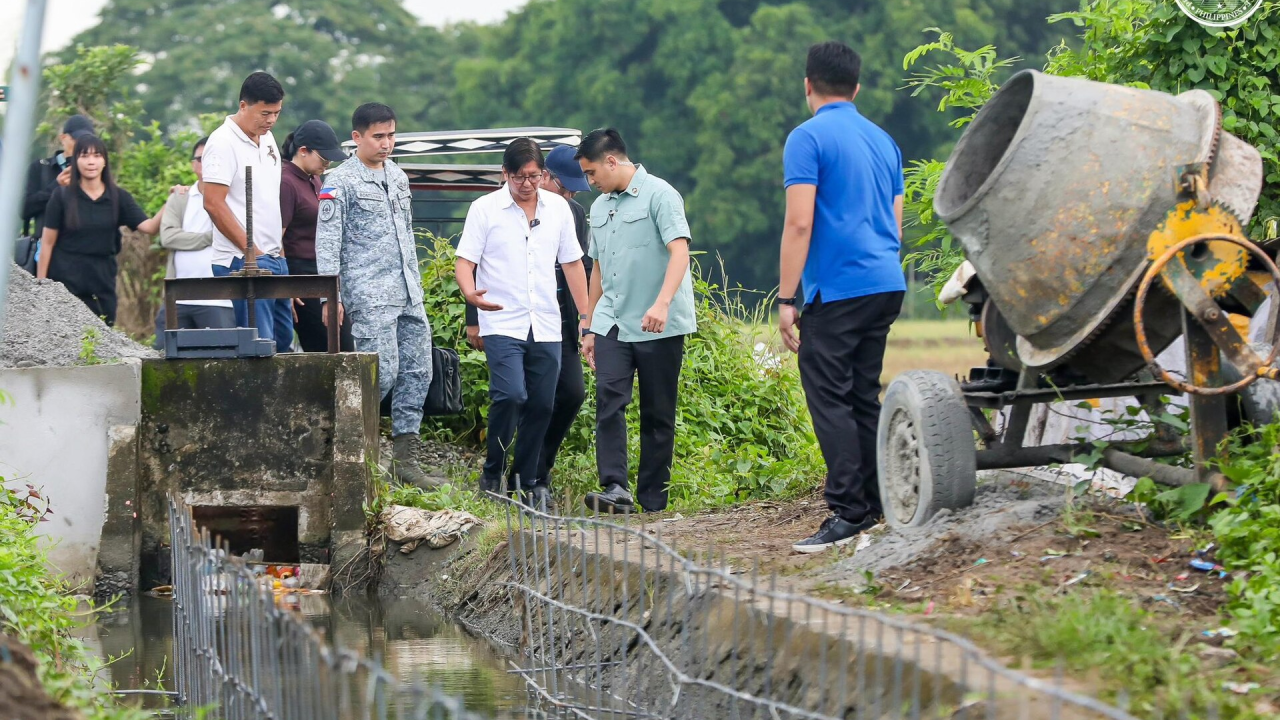
The Philippines offers a striking example. The OECD identified corruption as a major risk to infrastructure delivery and highlighted concerns surrounding flood-control projects. According to findings cited in the report, irregularities affected projects worth more than $9.5 billion since 2022, while some projects were allegedly poorly executed or did not exist at all.
The implications go far beyond financial losses. The Philippines faces regular flooding, typhoons, and other climate-related threats. Flood-control systems are intended to protect homes, businesses, and livelihoods. When funds are diverted or projects fail to meet their objectives, communities remain vulnerable despite large public investments.
This reveals a growing challenge across Southeast Asia. Climate adaptation increasingly depends on infrastructure. Corruption therefore becomes more than a governance issue. It can directly affect a country's ability to prepare for a changing climate.
Strong Institutions Matter More Than Strongmen
Public frustration with corruption is rising across the region. Large protests in Indonesia and the Philippines have reflected growing concerns about government accountability and the use of public funds.
Some political leaders argue that stronger executive power is needed to fight corruption. But experts increasingly point to a different lesson. Analysts cited in recent debates on corruption in Indonesia argue that successful anti-corruption efforts depend less on political systems and more on factors such as the rule of law, independent oversight, transparency, and institutional integrity.
Malaysia's experience after the 1MDB scandal illustrates this approach. The scandal exposed how billions of stolen dollars could move through international financial networks, revealing weaknesses in both domestic and global safeguards. Accordingly, the country's recovery efforts have focused on strengthening financial oversight, cooperating with international partners, and recovering stolen assets. Billions have since been recovered through legal actions and international settlements.
The lesson is that corruption is rarely defeated by rhetoric alone. It requires institutions that can investigate wrongdoing, enforce rules consistently, and maintain public trust.
Building Trust Alongside Infrastructure
The OECD's latest findings highlight a difficult reality. Infrastructure succeeds not only because governments spend money, but because citizens trust that money is being used effectively.
The experiences of Indonesia, Malaysia, and the Philippines suggest that the real foundation of successful infrastructure is not concrete or steel. It is governance. Without transparency and accountability, even the most ambitious projects risk falling short of their promise. With them, however, infrastructure can become the engine of growth and resilience that Southeast Asia hopes to build.


Loading comments...