




When the US-Israel-Iran war disrupted the Strait of Hormuz, one of the world's most important energy routes, governments were not the only actors shaping the outcome. A little-known South Korean shipping company, Sinokor Group, quietly emerged, becoming a key part of keeping Middle Eastern oil flowing despite war.
Private shipping companies, backed by billions of dollars in capital and willing to accept extraordinary risks, are increasingly influencing global energy security, oil prices, and the balance of economic power.
How a Korean Shipping Company Became a Strategic Asset
The Strait of Hormuz remains the world's most important oil chokepoint, carrying a large share of globally traded crude. With the war disrupting shipping through the waterway since late February 2026, oil exporters face a difficult challenge. Producing oil is one thing, but they also need a way to transport it.
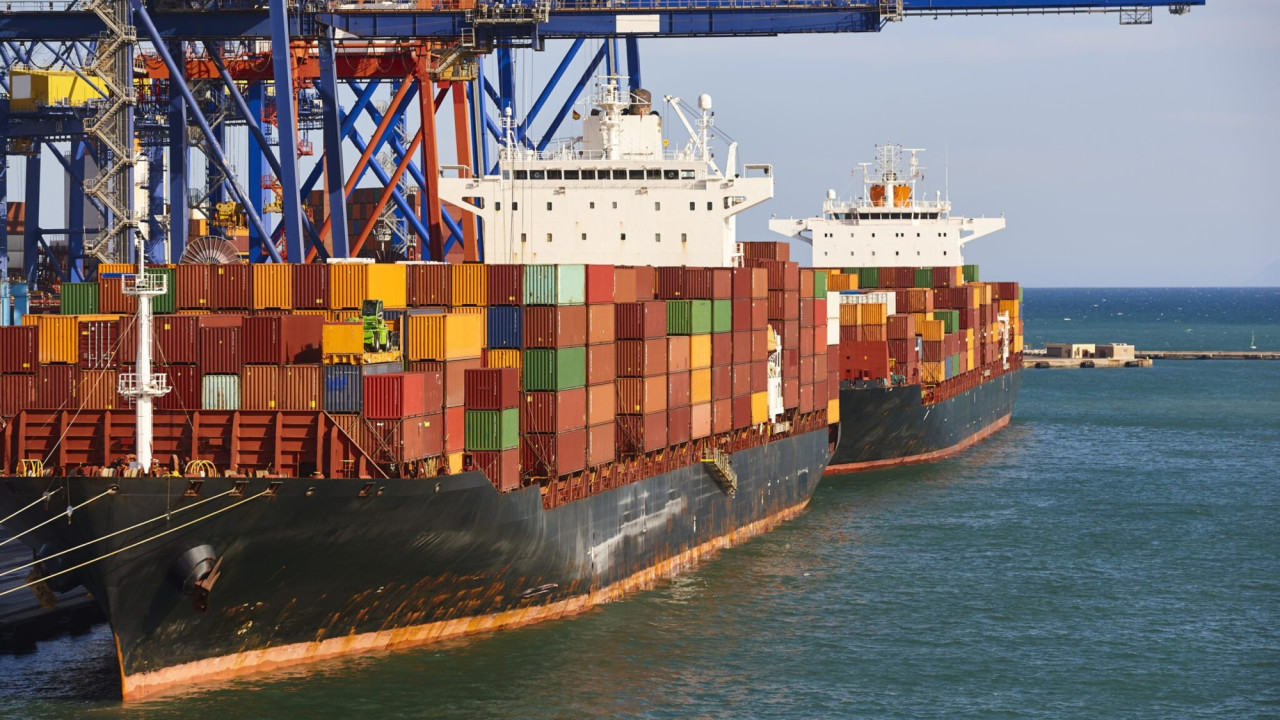
The disruption exposed the growing importance of commercial shipping. Just weeks before the war began, South Korea's Sinokor Group had quietly bought and leased an estimated 120-150 of the world's largest oil tankers. That gave the company control over a significant share of the ships used to transport crude oil, just as conflict disrupted global energy supplies.
The timing proved critical. As sanctions removed many vessels from the global market and demand for oil transportation increased, available tankers became scarce. Sinoker, because of its large fleet, gained influence over rates and vessel availability at precisely the moment global energy markets were under pressure.
Turning Private Shipping Into a Geopolitical Advantage
The situation shows how commercial shipping is becoming a strategic tool. While many shipowners avoided the Strait of Hormuz because of security risks, Sinokor leased vessels to the United Arab Emirates, helping maintain exports despite the disruption.
The operation relied on "dark" transits. Tankers sailed through the Strait of Hormuz with tracking transponders switched off before transferring cargo to other ships waiting outside the Gulf. These techniques have traditionally been associated with sanctioned countries such as Iran, Russia, and Venezuela. During the conflict, however, they became part of the Abu Dhabi's effort to preserve its oil exports.
The strategy also revealed the economic value of maritime logistics during conflict. Because many shipowners refused to enter the area, those willing to make the journey were able to demand significantly higher rates than before the war. Even though it was expensive, it was a win-win for both the United Arab Emirates and companies like Sinokor.
As geopolitical tensions continue to threaten major shipping routes, companies that control transportation assets may become some of the most influential players in global energy markets.

Loading comments...