




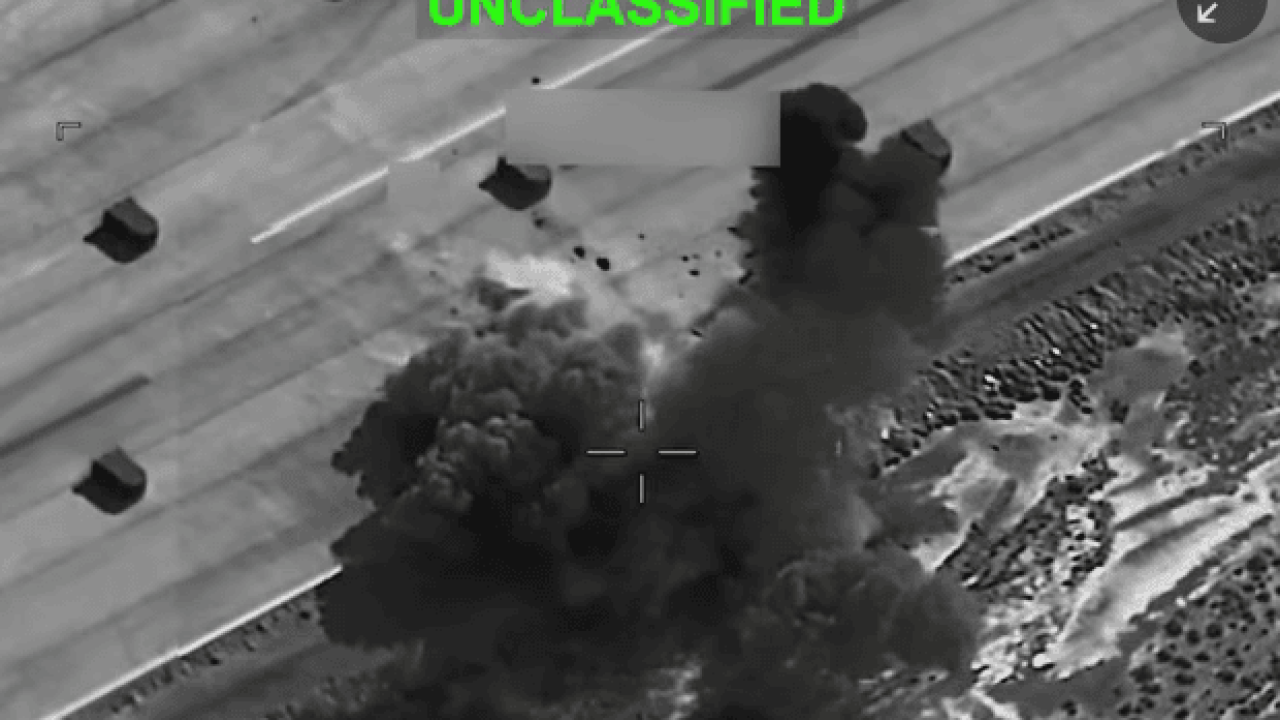
The fragile ceasefire between the United States and Iran has rapidly unraveled as both sides exchange new rounds of military strikes across the Middle East. The latest attacks targeted military sites, regional allies, and areas near critical infrastructure, raising fresh doubts over whether negotiations can still prevent a wider conflict.
The renewed violence comes only weeks after an interim agreement was intended to create space for talks on a permanent settlement. Instead, fighting has intensified, placing one of the world's most important energy corridors back at the center of global security concerns.
Retaliatory Strikes Rupture the Ceasefire
The latest escalation began after attacks on commercial ships in the Strait of Hormuz on July 7, 2026, which the United States blamed on Iran. Washington responded with strikes on about 90 targets across Iran, saying the operation was intended to weaken Tehran's ability to threaten maritime navigation through the strategic waterway.
Iran answered by launching missiles and drones toward several US-allied countries, including Bahrain, Kuwait, Qatar, and Jordan. While many of the incoming attacks were intercepted, the exchange demonstrated the fragility of the region. President Donald Trump declared that the interim ceasefire was effectively over, even though diplomatic contact between Washington and Tehran reportedly continues.
No Path Forward?
The collapse of the ceasefire comes at a particularly sensitive moment. Negotiations on a permanent agreement were expected to begin following the funeral of Iran's late Supreme Leader Ayatollah Ali Khamenei, whose death at the hands of Israel earlier this year dramatically reshaped Iran's political landscape.
At the same time, the fighting highlights the continuing importance of the Strait of Hormuz, through which around one-fifth of global oil and natural gas trade normally passes. Although shipping has partially recovered since the temporary agreement, renewed attacks have again raised concerns over energy security and global markets.
Whether negotiations can recover now depends on whether both sides are willing to step back from continued military retaliation. Each new exchange of fire makes that task increasingly unlikely and raises the risk of the conflict returning to its previous state of constant strikes and counterstrikes.



Loading comments...