




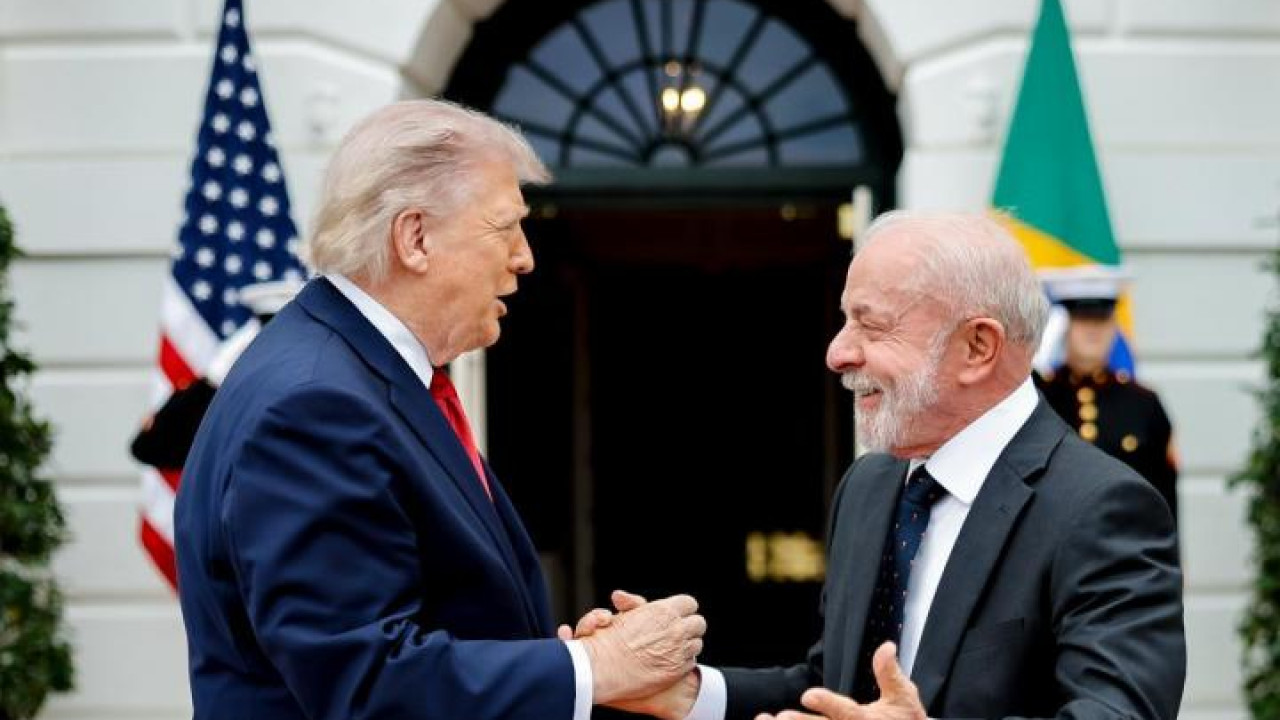
After the US Supreme Court rejected Donald Trump’s global tariffs in February, Washington began looking for another way to rebuild its trade barriers.
Brazil has become the first major target of this new strategy. From July 22, the United States will impose an additional 25% tariff on thousands of Brazilian products, claiming that Brazil has adopted policies that "unfairly harm" US companies.
The new duties, imposed under Section 301 of the Trade Act of 1974, offer a preview of a broader campaign already involving dozens of investigations into alleged unfair trade practices, including cases affecting several ASEAN economies.
What the US Accuses Brazil Of
Opening a new tariff war against Brazil makes little economic sense. In 2025, the US exported $54.4 billion in goods to Brazil and imported $39.9 billion, giving Washington a trade surplus of $14.4 billion. That figure does not include services, where the US also maintains a strong surplus.
The global trade landscape has also shifted. The United States was Brazil’s main trading partner for decades, but Brazil is no longer as dependent on the US market. China has taken the top position, while the US share of Brazilian exports has continued to fall.
Even so, Washington has chosen to portray Brazil as an unfair competitor. Its complaints include barriers to digital trade, piracy, restrictions on US ethanol, illegal deforestation, and weak enforcement of anti-corruption rules.
The tariffs will affect sugar, steel, clothing, and machinery. However, Washington excluded products that are important to US consumers and industries, including beef, coffee, orange juice, strategic minerals, aircraft, and aircraft parts. The exemptions cover around $11 billion in annual trade.
Brazil Promises Retaliation
The Brazilian government described the tariffs as unfair and politically motivated. It said it would use its Reciprocity Law and challenge the decision at the World Trade Organization.
The dispute could also influence Brazil’s presidential election in October. President Luiz Inácio Lula da Silva is seeking another term, while his main rival is right-wing Senator Flávio Bolsonaro, the son of former president Jair Bolsonaro and an ally of Trump.
Instead of weakening Lula, US pressure may allow him to present himself as a defender of Brazilian sovereignty. It could also help him portray his political rivals as too closely connected to Washington.
ASEAN Could Be Next
Washington has opened 60 investigations into economies accused of failing to stop imports linked to forced labor. The list includes Cambodia, Indonesia, Malaysia, the Philippines, Singapore, Thailand, and Vietnam. The US has proposed additional tariffs of between 10% and 12.5%, although they have not yet been fully applied.
Washington is also investigating 16 economies for alleged industrial overcapacity. Cambodia, Indonesia, Malaysia, Singapore, Thailand, and Vietnam are included on that list as well.
These investigations could affect major Southeast Asian industries, including textiles, electronics, steel, machinery, and other manufactured goods. Smaller Southeast Asian economies may have few options if Washington imposes similar measures against them. Countries that depend heavily on the US market could struggle to redirect their exports quickly.
For Southeast Asia, the question is no longer whether the United States will use tariffs as political and economic pressure, but which countries will be targeted next and how prepared they will be.
Loading comments...