




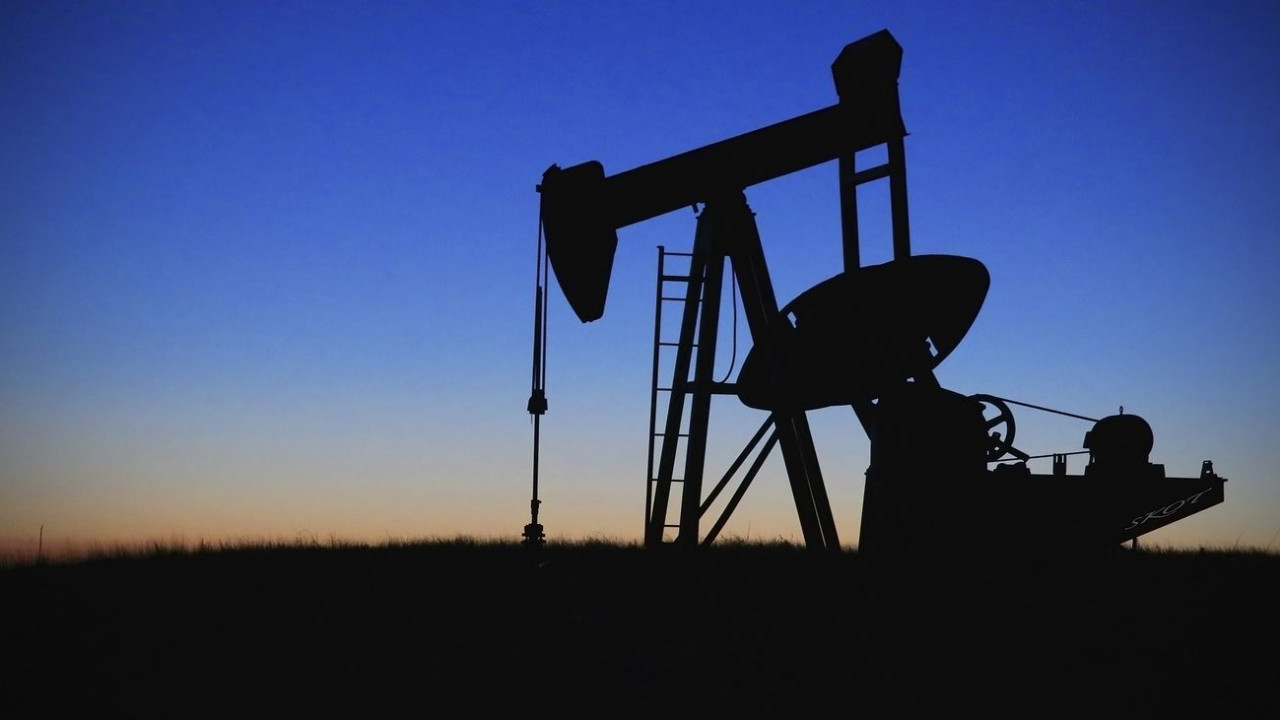
Angola officially left OPEC, the Organization of the Petroleum Exporting Countries, in January 2024 after 16 years. The move sent shock waves through global energy markets and raised big questions about whether major oil-producing countries still trust the group’s strict production rules.
The dispute centered on oil production quotas. Angola argued that OPEC's mandatory cuts limited its ability to grow its economy when the country badly needed higher revenues. Officials in Luanda believed the country could no longer accept restrictions that held back production and investment.
Angola's departure reflects a much larger struggle over economic independence, energy security, and global influence in a rapidly-changing oil industry.
Angola Challenges OPEC Oil Production Limits
For years, Angola depended heavily on crude oil exports to support government spending and foreign exchange earnings. Oil remains the backbone of the economy, even as production has slowly declined because of aging infrastructure.
Tensions with OPEC intensified in late 2023 when the group pushed new production targets on member states. Angola strongly opposed the lower quota, arguing that it would hurt its national growth and reduce future investment opportunities. Luanda said the country’s interests were no longer protected inside the organization.
At the time of its exit, Angola was producing roughly 1.1 million barrels of oil per day. That may seem small compared to giants like Saudi Arabia, but the loss still weakened OPEC’s global market share and highlighted growing cracks inside the cartel.
The decision also carried symbolic weight. Angola became one of the clearest examples of a resource-rich African country pushing back against outside limits on its economic strategy. Across Africa, governments are increasingly trying to balance foreign partnerships with stronger national control over energy resources.
Angola Expands Oil Projects While Betting on Renewable Energy
Two years after leaving OPEC, Angola is still heavily focused on oil production, but the country is also trying to reshape its long-term economic future.
New offshore projects are expected to increase production during 2026. Major energy companies including TotalEnergies, Chevron, ExxonMobil, and Azule Energy continue expanding operations. The Cabinda refinery is also expected to begin operations in the first half of 2026, giving Angola more refining capacity inside the country.
Simultaneously, Angola is investing heavily in renewable energy projects. Hydro power development along the Kwanza River has become a major national priority. One of the biggest examples is the Laúca Dam, built with major financial support from China.
That investment has improved electricity generation and infrastructure, but it has also created concern over rising debt and long-term dependence on foreign financing. Large overseas loans could reduce Angola’s future economic flexibility if repayment pressures continue growing.
Still, the government sees renewable energy as protection against future oil-price shocks. The strategy reflects a wider trend across African energy economies, where countries are trying to keep oil profits flowing while preparing for a more diversified future.
Qatar’s Exit Raises Fresh Pressure on OPEC Cohesion
Angola’s 2024 departure is not looking like a one-time event. Following Angola's example, the UAE left OPEC in May 2026, wanting greater freedom to maximize production and avoid quotas that limit output capacity.
Both countries argued that OPEC restrictions no longer matched their national economic goals. Both wanted more control over energy policy. And both believed they could gain more outside the organization than within it.
This trend could become a serious challenge for OPEC’s long-term unity. If more medium-sized producers begin prioritizing national flexibility over cartel discipline, the group may struggle to maintain the influence it once held over global oil prices.
For Angola, the exit was about far more than barrels of oil. It became a statement about economic control, national priorities, and the changing balance of power inside the global energy market.

Loading comments...