




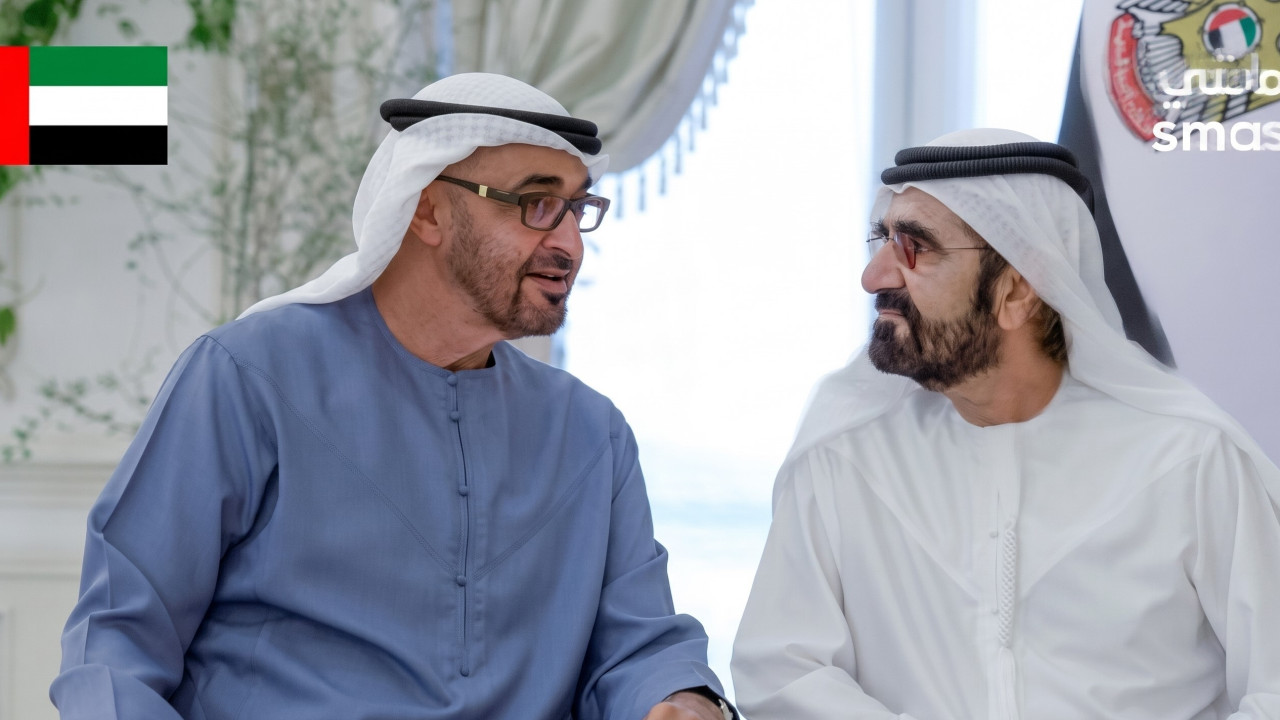
The United Arab Emirates’ decision to leave OPEC on May 1 is more than an oil story. It is a sign that the balance of power inside the Gulf is shifting, and that the system that has shaped global oil markets for decades is starting to strain.
OPEC has long acted as a coordinating body for major oil producers, setting output targets to influence global supply and prices. Its power depends on members accepting limits in exchange for market stability.
The UAE’s exit challenges that trade-off directly.
Abu Dhabi joined OPEC in 1967, but the break has been building for years. Since Saudi Arabia brought Russia into the expanded OPEC+ framework in 2016, production decisions have increasingly been shaped by Riyadh and Moscow—while others like the UAE have absorbed the cost.
Abu Dhabi Wants Control Back
The UAE’s core frustration is structural. It has spent heavily to expand production capacity through Abu Dhabi National Oil Company,
...
Loading comments...