




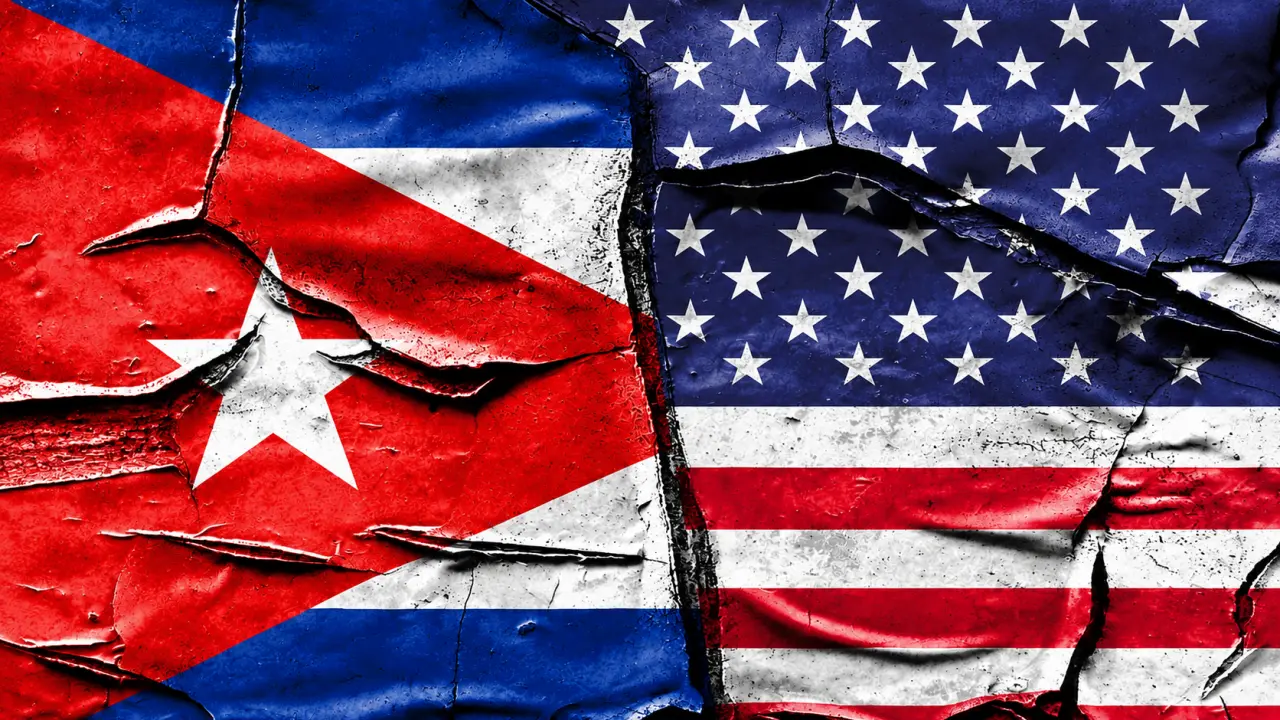
On October 19, Florida authorities announced an arrest warrant for former Cuban leader Raúl Castro over the 1996 downing of two civilian aircraft that killed four people. The move opens a new angle in the confrontation between Washington and Havana.
The November 3 US midterm elections dealt Donald Trump a major political blow, with Democrats winning control of both chambers of Congress. The defeat could push Trump to pursue a spectacular foreign policy victory that would secure his place in history.
Cuba stands out as one of the most explosive potential targets. Overthrowing Havana's communist regime would allow Trump to claim an achievement that eluded his predecessors for more than six decades.
Cuba Could Become Trump's Next Big Gamble
Trump's foreign policy reflects his determination to secure a lasting presidential legacy through extraordinary geopolitical achievements.
His ambitions over Greenland, his war against Iran, and his willingness to negotiate directly with Vladimir Putin and Xi Jinping all reflect his pursuit of achievements that would set him apart from his predecessors.
Cuba presents a particularly tempting opportunity. The collapse of Havana's communist regime would represent a historic victory for Washington and a major political triumph among American conservative voters.
But it could also become a trap. As Washington's operation in Venezuela showed, removing a leader does not necessarily dismantle the political system. A US intervention aimed at regime change in Cuba could trigger a regional crisis and prolonged instability on the island, particularly because there is no clear alternative to the current regime in Havana.
Raúl Castro's Arrest Warrant Raises the Stakes
The Florida warrant accuses Castro, then Cuba's defense minister, of conspiracy to commit first-degree murder for allegedly authorizing Cuban fighter jets to shoot down two unarmed aircraft operated by Brothers to the Rescue over international waters on February 24, 1996. The Miami-based organization assisted Cubans fleeing the island.
The state case follows a federal indictment issued in May. Although Castro remains in Cuba and his arrest appears unlikely, the order could nonetheless restrict his ability to travel abroad.
The timing of the order also raises troubling questions. With Washington tightening sanctions, choking off Cuba's oil supplies, and Florida authorities now targeting one of the regime's most emblematic figures, the pressure appears to be moving beyond economic isolation. Together, these developments raise fears that the United States could be laying the groundwork for an invasion.
Time will tell, but for now the region remains on edge.
Loading comments...