




The revival of the trade route between the southern Chilean city of Punta Arenas and the Falkland Islands has renewed tensions between Chile and Argentina. Chilean shipping company Easter Island Naviera has signed an agreement to restart the service, which had been suspended since 2011.
The Chilean cargo ship Danstar is scheduled to make its first voyage to Port Stanley in mid-November. The trip comes amid renewed tensions after an Argentine military official questioned Chile's sovereignty over the Strait of Magellan. A Chilean government minister also backed the Falkland Islanders' right to self-determination, a position Argentina rejects.
Chile's move comes as development advances on Sea Lion, an offshore oil project near the Falklands that could generate between $2 billion and $5 billion in exports by 2030. Milei's government is trying to block the British-backed project. It first tightened sanctions against companies operating in the disputed islands, then issued an ultimatum demanding a halt to development.
On October 13, after the deadline expired, Argentina turned to the International Tribunal for the Law of the Sea, seeking provisional measures to halt the United Kingdom's unilateral activities in the North Falkland Basin.
Britain rejected the challenge and announced plans to shield businesses from Argentine restrictions. In Parliament, a British lawmaker also raised the prospect of Argentina obstructing the Punta Arenas-Stanley shipping route.
A History of Mistrust Between Chile and Argentina
In December 1978, Argentine and Chilean troops were mobilized along the Andes, ready for war over three disputed islands in the Beagle Channel. Argentina's military dictatorship had prepared an invasion of Chile. The offensive was called off as the Vatican intervened, paving the way for the 1984 Treaty of Peace and Friendship. But the agreement did not erase more than a century of territorial disputes.
In Chile, resentment over the 1881 Boundary Treaty persists. Signed while Chile was fighting Peru and Bolivia, the agreement consolidated Argentine control over Patagonia.
Relations suffered another blow during the 1982 Falklands War, when Augusto Pinochet's dictatorship secretly supplied Margaret Thatcher's government with intelligence on Argentine military movements and logistical support. Britain, in turn, provided Chile with military equipment.
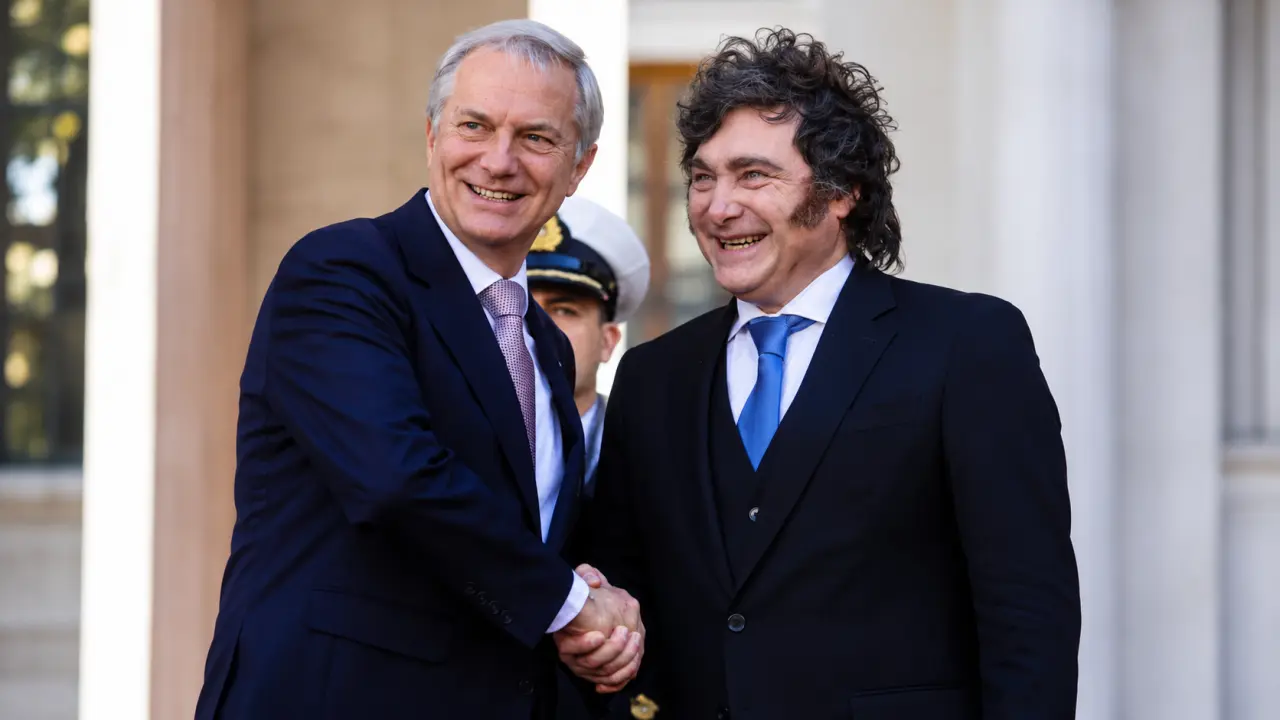
Today, Argentine President Javier Milei and Chilean President José Antonio Kast lead right-wing governments closely aligned with Washington. Despite these commonailities, the Falklands are again driving them apart.
The Strategic Battle for South America's Southern Tip
The Strait of Magellan and the Drake Passage connect the Atlantic and Pacific oceans and provide maritime access to Antarctica. Large US aircraft carriers cannot use the Panama Canal. On April 26, the USS Nimitz sailed through the Strait of Magellan during a regional deployment.
For Washington, retaining the ability to monitor and exert strategic control over these southern routes matters in any confrontation with China. Beijing's growing Antarctic presence gives the region additional significance.
Washington has also pressured Chile to abandon a proposed Chinese submarine cable linking Valparaíso to Hong Kong. Despite US objections, Kast's government confirmed in September that the project remained under review.
On October 7, US Ambassador Brandon Judd linked American assistance in protecting Chile's rights in the Strait of Magellan to closer cooperation with Washington. Chile's foreign minister replied that the country could defend its sovereignty without foreign assistance.
Milei is trying to prevent Britain from turning Falklands oil into a lasting source of revenue and political leverage. But a campaign aimed at London could end by strengthening British resolve, alienating Chile, and complicating Washington's security interests in the far south.


Loading comments...