




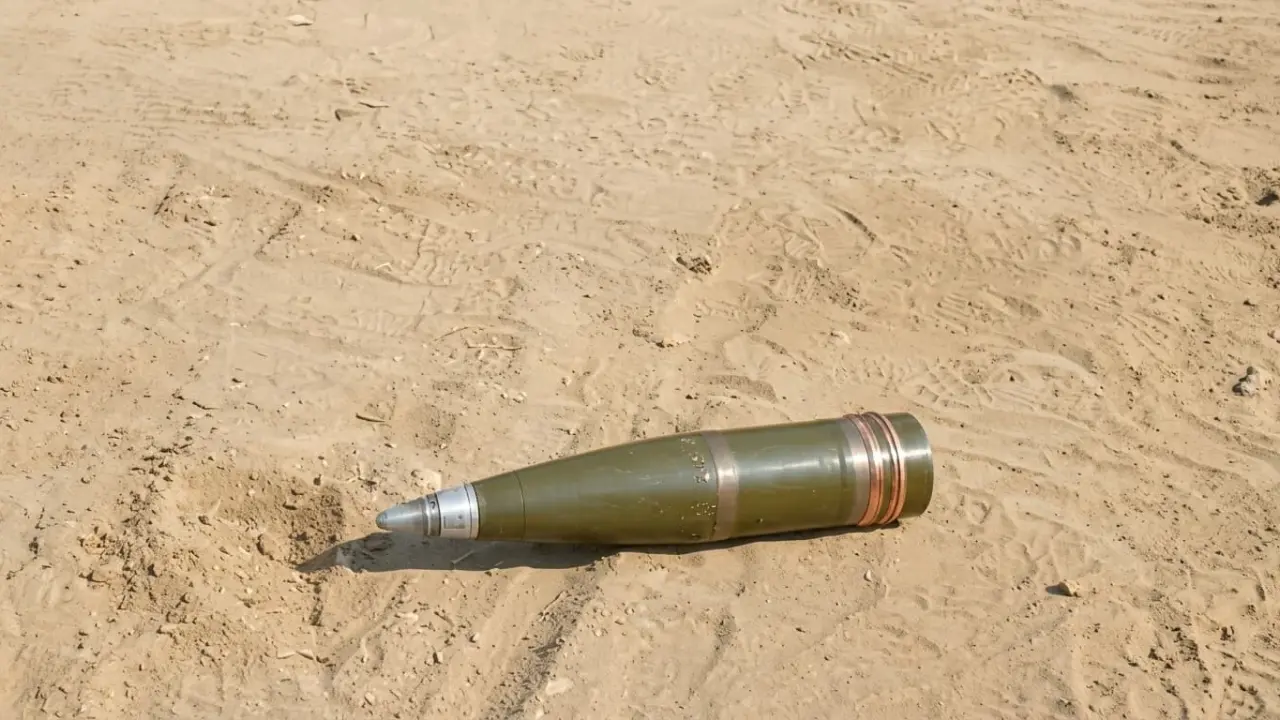
A suspected Chinese-made artillery projectile discovered in a commercial shipping container at Port Moresby has raised questions about cargo security in Papua New Guinea. Four Chinese nationals were detained following the discovery, while conflicting accounts from PNG authorities and China's embassy have left the object's identity and origin under investigation.
What Kind of Projectile Was Discovered at Port Moresby?
The object was found in a commercial shipping container at a major wharf in Port Moresby. It weighed approximately 32 kilograms. According to a police report, the device was identified as an undetonated 130mm Chinese Type 59 artillery projectile containing chemical explosives and a fuse.
Papua New Guinea police and military explosive ordnance disposal specialists secured the area, examined the object and moved it to a secure facility. An X-ray machine donated by Australia to the Royal Papua New Guinea Constabulary was used during the examination.
Police Commissioner David Manning said officers had acted quickly after receiving information about the discovery. Four Chinese nationals were arrested on October 30 and remained in custody as of November 3. The authorities have not publicly established their individual roles in the incident.
The police report was subsequently referred to criminal investigators. Its findings are significant, but the investigation must still establish how the object reached the port and who was responsible for its shipment.
China Disputes the Findings as the Investigation Expands
China's Embassy in Port Moresby challenged the reported identification. In a November 3 statement, it said a company linked to the incident had conducted an on-site verification and concluded that the object was a shell-shaped wine bottle. The embassy added that it posed no danger and argued that China's strict weapons controls made the illegal export of military-grade ammunition highly unlikely.
The disagreement over the object's identity continued after Papua New Guinea police issued an official statement on November 5 confirming that it was a 130mm military projectile. The confirmation strengthened the findings previously reported by ABC, although the full technical details and the object's origin remain part of the ongoing investigation. The embassy, meanwhile, has presented a different explanation while saying it is awaiting the official findings of the police investigation.
The issue gained further international attention on November 5, when the US Embassy in Port Moresby confirmed that US Department of War personnel had directly engaged with PNG's explosive ordnance disposal unit. The embassy cited publicly reported police findings identifying the object as an unexploded Chinese-manufactured artillery projectile, rejecting the suggestion that it was simply a wine bottle.
Port Security and the Future of Papua New Guinea's Pacific Partnerships
The investigation must establish the object's origin, ownership, shipment route and intended destination. These details will help determine whether the discovery resulted from a security failure, an unlawful shipment or another set of circumstances.
The case also raises questions about how commercial cargo is inspected at PNG ports. Effective screening, access to detection equipment and coordination between police, customs officials and security specialists are important safeguards against dangerous or unauthorized items entering the country.
Papua New Guinea already has close security ties with Australia. The Pukpuk Treaty, which entered into force in July 2026, established the country's first formal defence alliance and strengthened cooperation between the two governments. The United States also maintains security engagement with PNG, as demonstrated by its military personnel's involvement following the discovery.
China, meanwhile, remains an important diplomatic and economic partner in the Pacific. The investigation does not establish Chinese government involvement in the shipment, but the disagreement over the object's identity adds sensitivity to an already complex regional environment.
The final findings could influence how PNG reviews cargo inspections, works with foreign security partners and manages relations with Beijing. For Port Moresby, the priority will be to establish the facts while protecting port security and maintaining balanced international partnerships.


Loading comments...