




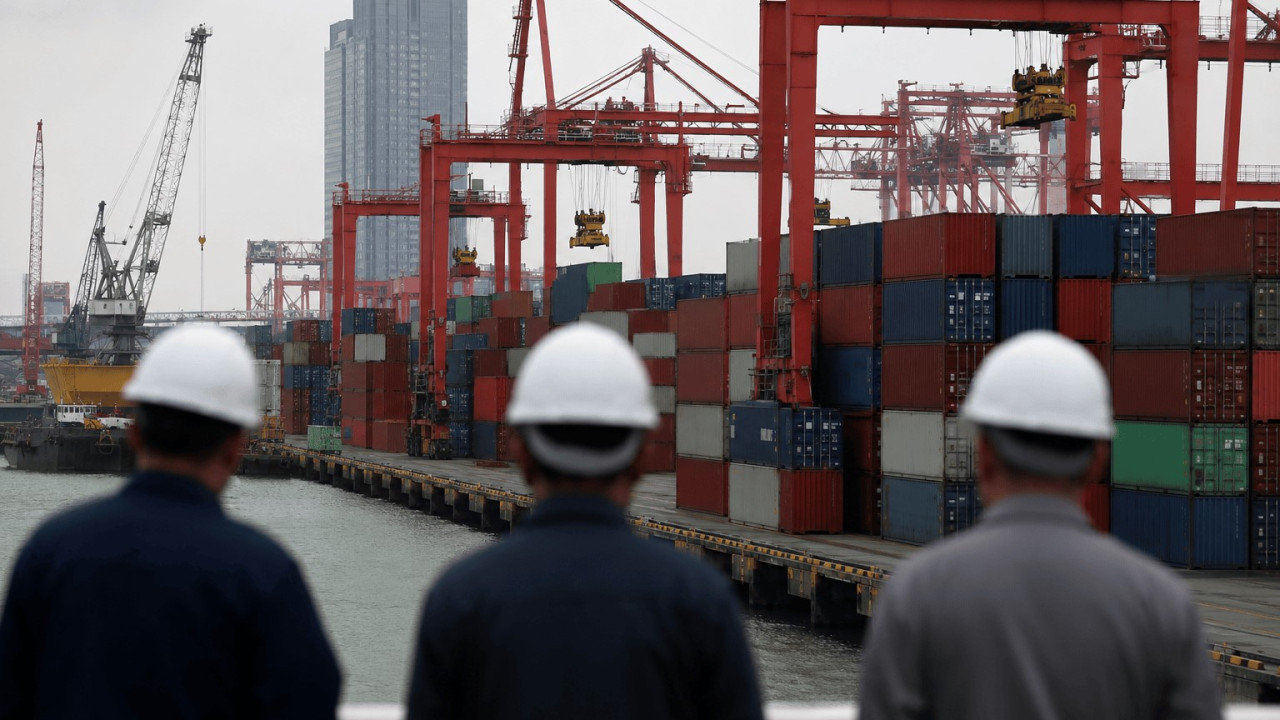
China’s economic reach across Asia is growing at breathtaking speed. From electric vehicle factories in Thailand to massive rail corridors in Central Asia, Beijing is reshaping trade routes, supply chains, and regional politics.
Many governments welcome the investment. Chinese money has helped fund highways, railways, energy projects, ports, and factories that local economies could not easily build alone.
But the deeper those ties grow, the more governments are asking China difficult questions about debt, political pressure, security risks, and economic dependence.
Southeast Asia Wants Chinese Growth Without Dependence
China has become ASEAN’s largest trading partner, while Chinese investment across Southeast Asia has surged over the last decade.
Thailand became home to BYD’s first overseas electric vehicle factory in 2024. BYD, short for “Build Your Dreams,” is one of China’s largest electric vehicle and battery companies and has become a global symbol of China’s growing clean energy industry. Indonesia has attracted billions of dollars in Chinese-backed nickel and battery projects tied to the global clean energy boom. Malaysia, Vietnam, and Singapore have also deepened economic ties with Beijing.
But despite the apparent growth, cracks are beginning to show beneath the investment boom. Cheap Chinese imports have hit local industries hard. Indonesian textile factories and Thai steel producers have struggled to compete against low-cost Chinese goods flooding regional markets.
In Indonesia, Chinese-backed mining and industrial projects sparked protests over pollution, unsafe working conditions, and land disputes. On Rempang Island, clashes erupted after local communities were pushed aside for a Chinese-funded industrial zone.
Security concerns are also rising. Cambodia and Myanmar have faced growing pressure over scam compounds and criminal networks tied to transnational cyberfraud operations.
Still, Southeast Asian countries are not pulling away from China. Instead, many are strengthening cooperation inside ASEAN while expanding ties with Europe, Japan, and the United States. Governments across the region increasingly see regional collaboration and diversification as the best way to avoid too much dependence on any single global power.
Central Asia Becomes China’s New Silk Road Gateway
China’s influence is also transforming Central Asia at a historic scale. Since launching the Belt-and-Road Initiative in Kazakhstan in 2013, Beijing has poured massive investment into Kazakhstan, Kyrgyzstan, Tajikistan, Turkmenistan, and Uzbekistan. Chinese investment in the region has reportedly increased by more than 257% since then.
New highways, railways, pipelines, and logistics hubs are turning Central Asia into a key land corridor connecting China to Europe and the Middle East.
Kazakhstan has become the centerpiece of this strategy. The Khorgos Gateway on the Chinese border now processes huge volumes of rail cargo moving westward. In 2025 alone, more than $23 billion in Chinese capital reportedly entered Kazakhstan.
The China-Kyrgyzstan-Uzbekistan Railway project is another major symbol of Beijing’s ambitions. The railway will cut through mountain ranges with dozens of bridges and tunnels, linking western China to Central Asian and European markets.
Turkmenistan has also become critical to China’s energy strategy through gas pipeline expansion projects backed by Chinese financing.
For many Central Asian governments, the economic benefits are difficult to ignore. Kazakhstan’s transit traffic reached nearly 37 million tons in 2025, while Chinese-backed infrastructure has boosted exports and regional trade.
At the same time, concerns over debt and political leverage continue growing. Tajikistan already holds a large share of its foreign debt with China, fueling fears about long-term dependence.
Asia’s Middle Powers Are Learning to Hedge
Neither Southeast Asia nor Central Asia wants to have to choose between China, Russia, Europe, or the United States. Instead, many governments are pursuing hedging strategies designed to protect political flexibility while still benefiting from trade and investment.
Leaders across Asia increasingly understand that relying too heavily on one economic partner can create long-term risks. When one country dominates trade, infrastructure, supply chains, and technology networks, it can also gain political leverage during crises or diplomatic disputes.
Some countries are already feeling that pressure from China, yet they know that they cannot cut ties with China. Beijing remains one of the world’s largest markets and a major source of infrastructure financing and industrial investment.
Building Stability Through Regional Partnerships
Instead of rejecting China, many Asian countries are trying to build stronger regional cooperation and more diversified economic partnerships.
ASEAN countries are deepening trade coordination, digital integration, and regional infrastructure links to strengthen the region from within. Leaders increasingly believe that cooperation between Southeast Asian economies gives them greater bargaining power with major powers like China and the United States.
Central Asian governments are taking a similar approach through the Trans-Caspian “Middle Corridor,” which connects the region more closely to Europe, Turkey, and the South Caucasus. Countries across the region are also expanding ties with Japan, South Korea, Gulf states, and the European Union alongside Chinese investment.
Across Asia, governments are learning that strong institutions, regional collaboration, and diversified partnerships may offer greater long-term stability than dependence on any one global power alone.

Loading comments...