




Global conflict mediation is changing fast. For decades, Western powers led most peace talks. They set the rules and often controlled the outcomes. But that system is now under pressure.
The wars in Ukraine, Gaza, and Myanmar have exposed limits in Western-led diplomacy. Critics point to uneven responses and growing mistrust. As a result, new actors are stepping forward. Regional powers like ASEAN states, Turkey, and Oman are building their influence through mediation. These countries are not superpowers, but they bring local knowledge, flexible diplomacy, and fewer political conditions.
What Makes ASEAN’s Quiet Diplomacy Work
Southeast Asia has long relied on what is known as the "ASEAN way." This approach focuses on dialogue, consensus, and non-interference. It may seem slow, but it has helped countries with very different political systems continue talking during times of crisis.
The approach became especially important as tensions and conflicts across Asia grew more complex. ASEAN members often avoid public confrontation, choosing quiet diplomacy and behind-the-scenes negotiations instead. Critics say this can weaken accountability, but supporters argue it prevents divisions from becoming larger regional crises.
Myanmar remains one of ASEAN’s biggest challenges. Since the 2021 military coup, fighting between the military, pro-democracy groups, and ethnic armed organizations has created a major humanitarian crisis. ASEAN has faced criticism for struggling to push the junta toward peace, showing the limits of consensus-based diplomacy when conflict becomes deeply entrenched.
But ASEAN has also produced more positive examples of regional mediation. Malaysia played a key role in peace talks between the Philippine government and the Moro Islamic Liberation Front, helping support negotiations that eventually led to the Bangsamoro autonomous region.
Indonesia has also promoted dialogue-based diplomacy through regional forums such as the Bali Democracy Forum, which encourages discussion between countries with different political systems.
These efforts show how Southeast Asian states increasingly rely on regional trust and cooperation rather than pressure-heavy diplomacy. The process is often gradual, but it allows countries to keep communication channels open and reduce the risk of wider instability spreading across borders.
How Turkey Balances Power and Mediation
Turkey has taken a more visible role in global conflicts. It has positioned itself as a bridge between East and West. This gives it access that many countries lack.
In the Ukraine war, Turkey helped broker the Black Sea grain deal, an agreement allowed food exports to continue during the conflict. It showed how targeted mediation can ease global pressure.
Turkey maintains ties with both NATO and Russia. This balancing act is not easy, but it allows Ankara to keep dialogue alive when others cannot.
At the same time, Turkey’s approach is not neutral in every case. Its regional interests shape its actions. This raises questions about long-term trust. Still, its role shows that middle powers can deliver practical results.
Why Oman is Called "the Switzerland of the Middle East"
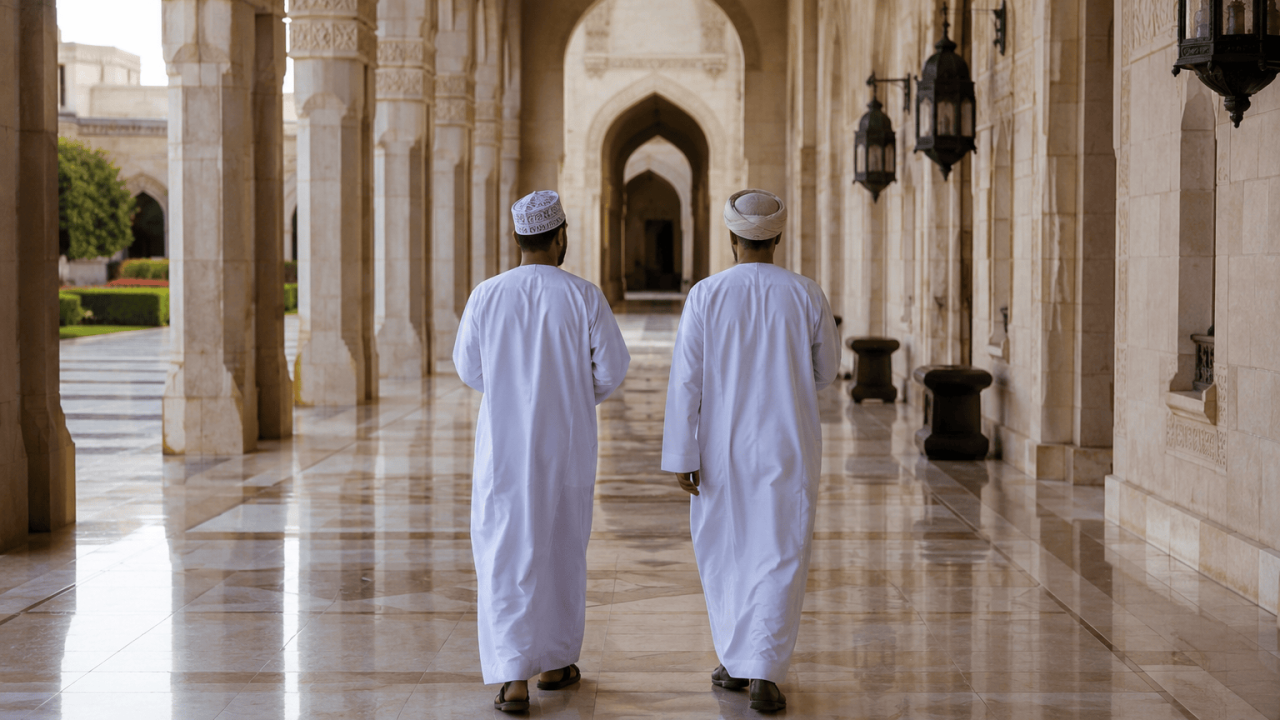
Oman has built a reputation as a quiet but effective mediator. Muscat has hosted talks between Iran and Western countries for years. It has also played a role in easing tensions in Yemen, where years of fighting have devastated infrastructure, disrupted food supplies, and left millions in urgent need of humanitarian aid.
Its strategy is simple: stay neutral, keep channels open, and avoid taking sides.
Oman is also investing in its diplomatic role. It is expanding its logistics and trade networks to support its position as a regional hub. This helps it connect different actors and maintain influence.
This approach works because it builds trust. Parties see Oman as a safe space for dialogue. In a region shaped by rivalry, that trust is rare.
A New Era of Mediation is Taking Shape
The rise of ASEAN, Turkey, and Oman reflects a larger shift. Global mediation is no longer dominated by superpowers or a one-size-fits-all model. Different regions are developing their own approaches.
Each model has strengths and limits. ASEAN offers stability through cooperation. Turkey delivers results through active engagement. Oman builds trust through neutrality. Together, they show that mediation is becoming more diverse.
The United States and Europe still play major roles. But they no longer dominate the field alone. Middle powers are stepping in, shaping outcomes, and changing expectations.
The future of mediation may depend on those who can listen, adapt, and connect. In that space, regional actors are gaining ground.

Loading comments...