




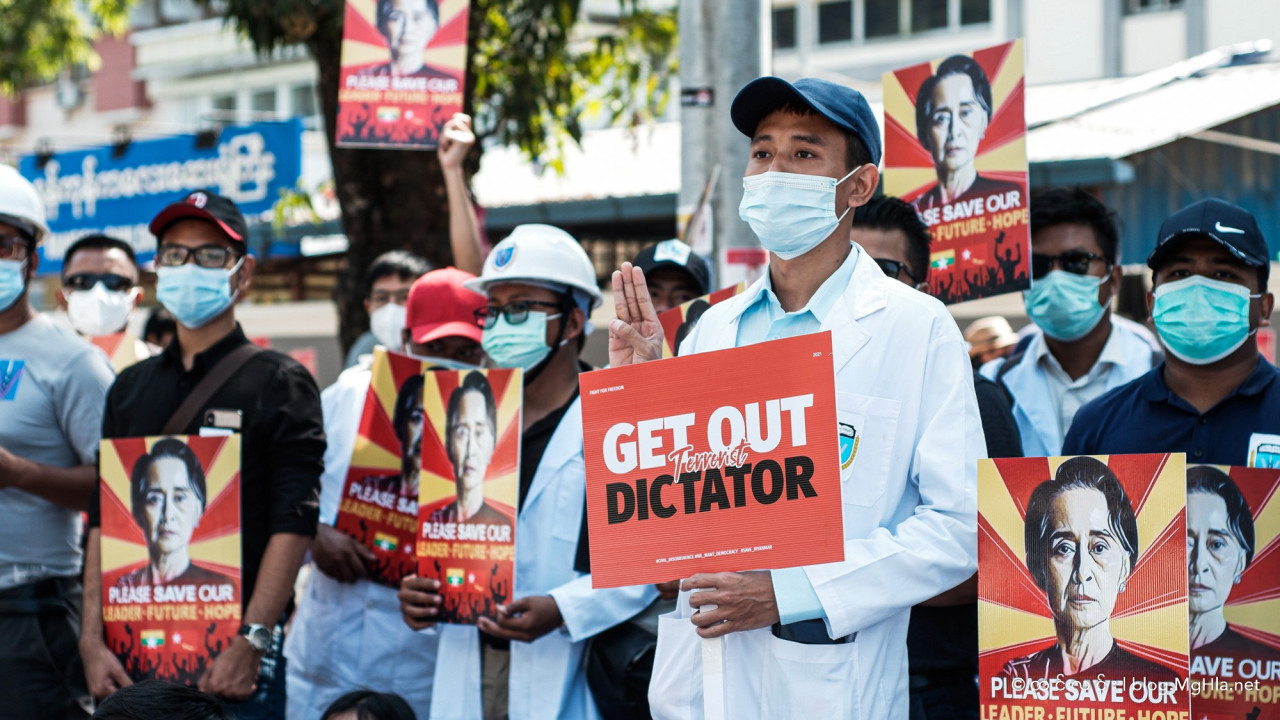
Since gaining independence in 1948, Myanmar has struggled with chronic instability, much of it rooted in its complex ethnic landscape. Ethnic armed organizations (EAOs) emerged in the wake of unfulfilled promises of autonomy, and by 1962 the military junta had seized power, curbing minority rights and waging brutal campaigns against insurgent groups. For more than half a century, Myanmar remained under military rule.
Hopes for a democratic transition emerged in 2015, when the National League for Democracy (NLD), led by Nobel Peace Prize laureate Aung San Suu Kyi, won the country's first free elections. Yet the military continued to wield significant power behind the scenes. The fragile opening collapsed after the NLD's sweeping victory in the November 2020 general elections. Claiming fraud, the military arrested elected leaders, dissolved parliament, and seized power under emergency rule.
The coup abruptly ended a fragile peace process with EAOs and triggered
...

Loading comments...