




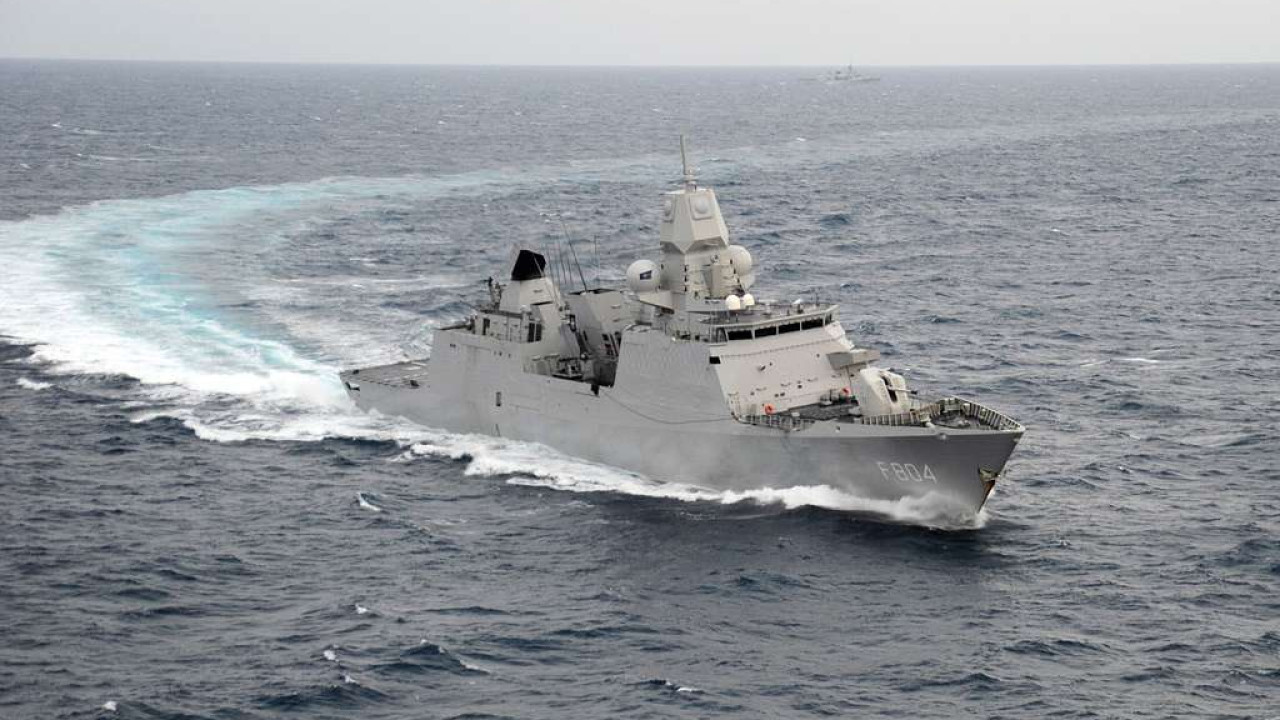
A Dutch warship arriving in Manila and renewed defense talks between Indonesia and France are sending a message across Southeast Asia that Europe wants to play a stronger role in the Indo-Pacific.
On May 23, the Philippine Navy welcomed the Royal Netherlands Navy frigate HNLMS de Ruyter in Manila as part of the Pacific Archer deployment. The visit highlighted the close cooperation between the Netherlands and the Philippines and their joint calls for maritime security and freedom of navigation. The event also celebrated 75 years of diplomatic ties between the two countries.
Just days later, on May 28, Indonesian President Prabowo Subianto announced plans to deepen defense relations with France during a tense moment in Southeast Asian geopolitics.
Taken together, these developments show how Europe is moving back into a region where it once held huge influence.
Europe’s Long History in Southeast Asia
European powers have shaped Southeast Asia for centuries. During the fifteenth and sixteenth centuries, countries such as Spain, Britain, and the Netherlands expanded their reach through trade, naval power, and colonial outposts.
The Philippines and the Netherlands share a particularly deep history. During the Spanish-Dutch Wars in the seventeenth century, Dutch fleets attacked Spanish-controlled trade routes near the Philippines. The Dutch East India Company wanted to break Spain’s control over the valuable Manila galleon trade.
Today, that old rivalry has turned into partnership. Formal diplomatic ties between the Philippines and the Netherlands began in 1951. By 1960, the Philippines had opened its embassy in The Hague.
Now, 75 years later, the arrival of the HNLMS de Ruyter in Manila shows how both countries are building modern security ties based on shared interests in trade, shipping, and regional stability.
Rising Tensions are Changing Regional Security
Beijing unlawfully claims large parts of the strategic waterway through its controversial “nine-dash line,” which overlaps with claims from the Philippines, Vietnam, Malaysia, and Brunei. Chinese coast guard patrols, military drills, and confrontations with Philippine vessels have increased tensions across the region.
For countries like the Philippines, the dispute is a major national security issue. Manila has routinely documented Chinese ships engaged in unlawful aggressive actions near contested waters, raising fears of wider regional instability.
The South China Sea is also one of the world’s busiest trade routes, making stability critical for global shipping and economic security. As tensions rise, Southeast Asian countries are strengthening regional cooperation while also deepening defense ties with partners such as Japan, France, and the Netherlands to protect maritime security and freedom of navigation.
Europe and Japan Could Boost Southeast Asian Defense
European defense programs could soon play a bigger role in Southeast Asia. One key project is the European Defense Industry Program, also known as EDIP. The initiative supports defense manufacturing partnerships, technology sharing, and joint industrial projects with Indo-Pacific countries.
France is already deepening trade and investment cooperation with Indonesia. President Prabowo Subianto delivered a joint press statement with French President Emmanuel Macron at the Elysee Palace in Paris on May 28th stressing that their bilateral relations are currently at their highest level ever. According to the Indonesian President, their connection in the defense sector is "progressing very well."
Dutch naval engagement with the Philippines also points toward wider defense cooperation in training, cybersecurity, and maritime operations.
Japan is also changing its strategy. Tokyo recently eased restrictions on defense exports, opening the door for stronger military partnerships across Asia. That shift could help Southeast Asian countries modernize their security systems faster.
For the Philippines and Indonesia, these partnerships are not only about defense. They are also about economic opportunities, advanced technology, and stronger international support as Southeast Asia becomes heavily contested.
Loading comments...