




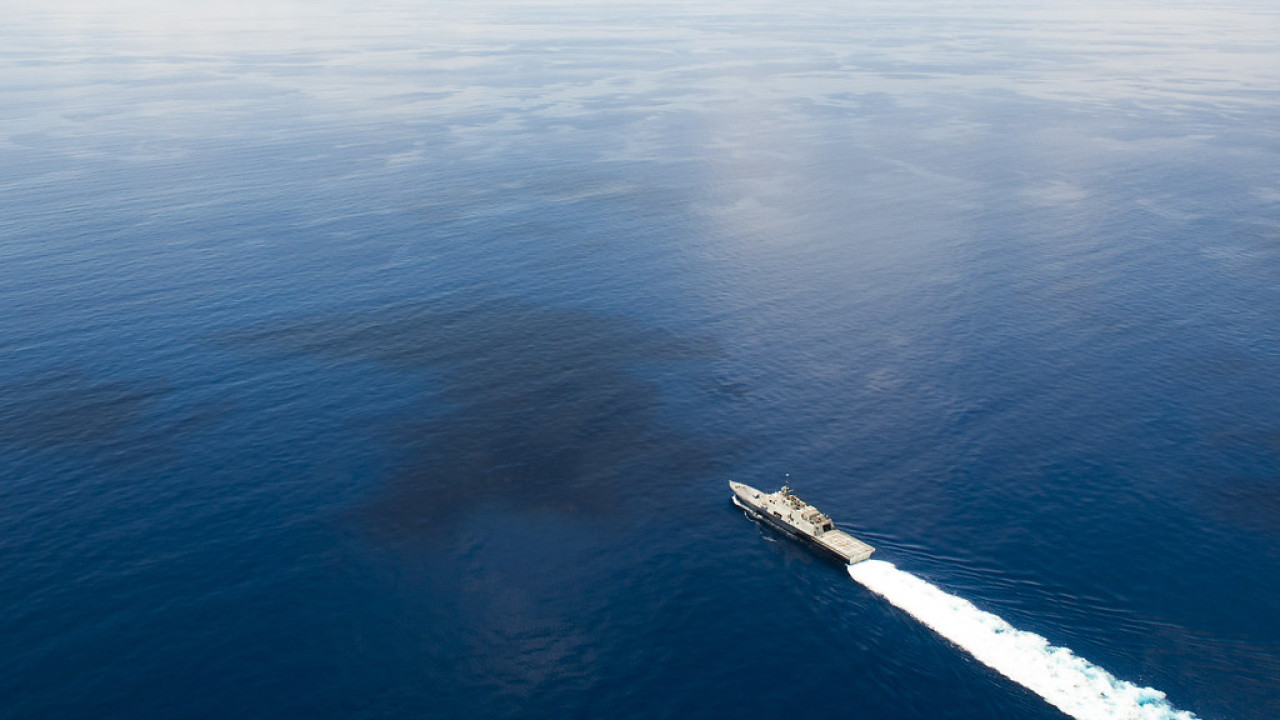
China is once again increasing pressure in the South China Sea and near Taiwan. On May 24, it mobilized an estimated 100 fishing vessels in what can be described as a coordinated maritime militia operation. The large-scale deployment has intensified fears about shipping security and military escalation across Asia.
The vessels were reportedly part of maritime militia training connected to China’s broader military strategy. Hundreds of ships joined the operation, creating a powerful display in one of the world’s busiest trade corridors. Critical cargo routes move through these waters every day, carrying goods between Asia, Europe, and North America. Even limited disruption would increase shipping costs and damage already fragile supply chains.
The operation also showed how China mixes civilian militias into military operations, making it hard to distinguish the line between military and civilian.
Giant Chinese Ship Formations Raise New Security Concerns
China’s latest operation follows several similar incidents since October 2024. Analysts say these coordinated formations are becoming more frequent and more organized.
In December 2025, more than 350 Chinese fishing vessels appeared near Argentina’s Exclusive Economic Zone in the South Atlantic. At least one vessel reportedly moved in surveillance-style patterns rather than normal fishing activity.
That same month, about 2,000 Chinese fishing boats formed two massive lines stretching roughly 290 miles in the East China Sea. In January 2026, another 1,400 vessels created a 200-mile rectangle formation, forcing cargo ships to change course through crowded waters.
Security experts believe these formations are testing how fast civilian fleets can support military operations during a potential crisis.
Maritime Militia Tactics Blur Military and Civilian Lines
China’s maritime militia strategy raises legal and security concerns across the region. Many vessels appear to be ordinary fishing boats, yet some operate under the command structure of the People’s Liberation Army, blurring the line between civilian activity and military operations.
Some ships carry advanced surveillance equipment, while others are intended to help reinforce China’s territorial claims near the Philippines and Taiwan. These fleets often operate alongside the Chinese Coast Guard and Navy, increasing pressure in disputed waters and raising fears of accidental confrontation at sea.
Global Trade Routes Face Mounting Risks
In response to China's aggression, countries across Southeast Asia are strengthening regional cooperation and maritime coordination. Japan’s recent decision to ease restrictions on arms exports could further deepen security partnerships across the region. Stronger defence ties and closer coordination are becoming increasingly important for protecting vital trade routes, maintaining regional stability, and balancing rising maritime pressure in Asia.
China's latest maritime operations show how the South China Sea remains one of the world’s most dangerous and contested geopolitical flashpoints. As Beijing tries to use fishing fleets to expand its presence at sea, neighboring countries and international shipping companies are watching closely and learning how to respond. How the situation plays out will influence international law, regional security, and global trade for years to come.

Loading comments...