
• English
  • Tagalog
  • Malay
  • Indonesian
  • Thai
Territory & Conflict

Changing Tides in the Indo-Pacific: Enhancing Security Cooperation to Combat Chinese Mobilization

Published on Jun 08, 2026

May 2026 has been a pivotal month in Indo-Pacific. China has continued to increase pressure across the region through maritime confrontations, military exercises, and efforts to shape critical shipping routes. In response, regional powers including Japan, the Philippines, Indonesia, Vietnam, and India have moved closer together, strengthening security ties around shared strategic concerns.


As these partnerships deepen, maritime disputes with China are increasingly becoming a catalyst for military modernization and defense expansion across Southeast Asia.


Two major trends are emerging from these developments. First, despite ASEAN's role as the region's primary multilateral organization, national responses are increasingly taking precedence over collective action. This highlights the limitations of ASEAN's consensus-based approach, particularly when responding to fast-moving security challenges.


Second, as the Indo-Pacific becomes a growing focal point of strategic competition, external actors such as the United States and the European Union are expanding their engagement in the region. Both are seeking to strengthen economic partnerships, deepen security cooperation, and balance China's growing influence.


Japan Announces End of Export Restrictions

At the end of World War II, Japan imposed strict limits on military exports as part of its broader pacifist posture. Over the past two decades, however, Tokyo has gradually relaxed many of those restrictions as regional security concerns have intensified.


On April 21, 2026, Prime Minister Sanae Takaichi's cabinet approved a major overhaul of Japan's defense export guidelines, formally ending the country's long-standing ban on exporting lethal military equipment. The move reflects a broader shift in Japanese security policy. Takaichi has also increased defense spending toward 1.9% of GDP, equivalent to roughly US $66.6 billion, while accelerating plans to reach the 2% target two years ahead of schedule amid growing concerns about China's military activity near Japan.


Those concerns are increasingly shaped by developments around the Senkaku Islands. In 2025, the Japanese Coast Guard recorded a record 1,380 Chinese government vessel entries into the contiguous zone surrounding the islands. Chinese vessels were present on 357 of 365 days and maintained an uninterrupted presence for 335 consecutive days between November 2024 and October 2025.


The trend has continued into 2026. On February 13, Japanese authorities detained a Chinese fishing vessel operating within Japan's exclusive economic zone after it allegedly failed to comply with inspection orders. The incident triggered a brief diplomatic dispute between Beijing and Tokyo over the vessel and its crew. Several months later, on May 4, four Chinese government vessels entered waters around the Senkaku Islands shortly after Tokyo announced its revised defense export policy, further highlighting the persistent tensions surrounding the disputed area.


China continues to challenge Japan's administration of the Senkaku Islands by arguing that historical Chinese dynasties exercised sovereignty over the territory. More broadly, Chinese state-affiliated commentators and academics have periodically published arguments questioning Japan's control over other territories, including Okinawa. These narratives form part of a wider contest over history, sovereignty, and public opinion in East Asia.


Taken together, sustained maritime pressure and growing strategic competition have contributed to a significant shift in Japan's security thinking. Policies that would have been politically difficult a decade ago are increasingly viewed in Tokyo as necessary responses to a changing regional environment.


Japan's evolving defense posture is also creating new opportunities for security cooperation. As a treaty ally of the United States and an increasingly active Indo-Pacific partner, Japan is expanding defense relationships across Asia while positioning itself as a potential supplier of military equipment and technology.


If Chinese maritime pressure continues at its current pace, Japan's defense reforms are likely to deepen. In doing so, Tokyo could emerge as an important bridge between Western defense industries and the growing security needs of Indo-Pacific states, strengthening both its strategic influence and its role in the region's evolving security architecture.


Philippines Announces Japan-Backed Investment

Just weeks after Japan's weapons export announcement, the Philippines unveiled a new Japanese-backed defense cooperation framework on May 29, 2026. The strategy focuses on strengthening the Philippines' maritime and defense capabilities amid rising tensions in the South China Sea.


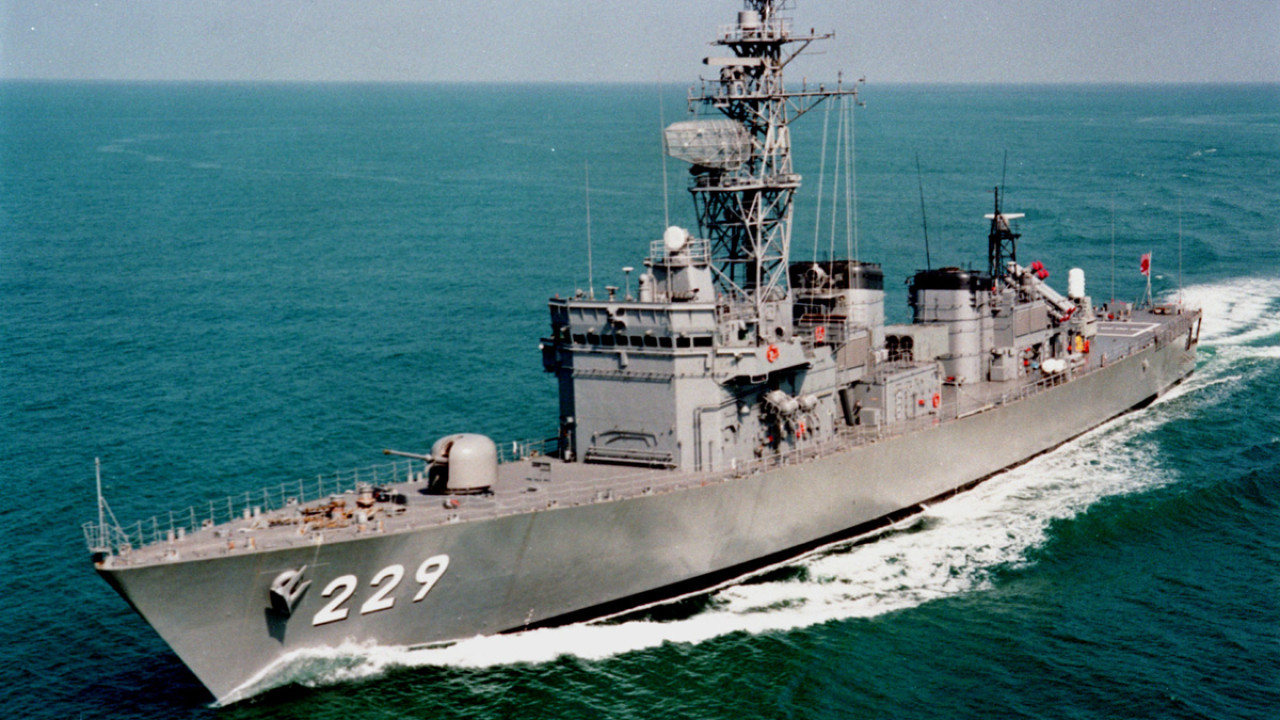
In a joint statement, Manila and Tokyo pledged to deepen security cooperation and facilitate the transfer of defense equipment, including destroyers, TC-90 surveillance aircraft, and radar systems. The agreement reflects a broader shift in regional security dynamics, as Japan moves from a primarily defensive role toward becoming a more active security partner in the Indo-Pacific.


The defense initiative will be accompanied by approximately US $1.01 billion in Japanese foreign direct investment. Major Japanese firms, including Furukawa Electric Co., MinebeaMitsumi Inc., and Tsuneishi Group Corporation, are expected to participate in projects coordinated through the Philippine Department of Trade and Industry (DTI).


Several of these companies have connections to sectors that support Japan's broader defense ecosystem. MinebeaMitsumi, for example, manufactures aerospace components and precision bearings used in both civilian and defense applications, while Tsuneishi Group's planned shipyard development in Cebu will expand the Philippines' maritime industrial capacity. Although these companies are primarily commercial enterprises, their expertise aligns with industries that are increasingly important to regional security and defense modernization.


The significance of these investments extends beyond economics. As Japanese firms become more deeply embedded in Philippine aerospace, shipbuilding, and maritime infrastructure projects, they contribute to the development of capabilities that can support the country's long-term defense and security objectives.


For Manila, the partnership strengthens efforts to improve maritime awareness and deterrence capabilities amid continued Chinese activity in disputed waters. For Japan, it offers an opportunity to translate its growing defense capacity into regional influence, positioning Tokyo as an increasingly important security partner for Southeast Asian states seeking to diversify their defense relationships.


India Signs Missile Deal with Vietnam

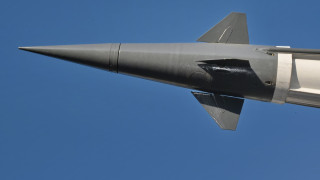
On May 31, 2026, India signed an agreement with Vietnam to supply BrahMos supersonic cruise missiles, a system jointly developed by India and Russia. Known for its speed, range, and adaptability across multiple platforms, including warships, submarines, and land-based launchers, the BrahMos has become one of India's most sought-after defense exports.


The missile is not new to Southeast Asia. The Philippines received its first batch of BrahMos systems in 2024, followed by additional deliveries in 2025. Vietnam is expected to follow a similar procurement and deployment timeline under the new agreement.


Indonesia may soon become the next customer. Jakarta is reportedly in the final stages of negotiating its own BrahMos purchase, further expanding India's defense footprint in Southeast Asia. While the Vietnam deal is reportedly worth approximately US $629 million, Indonesia has also been attracting broader foreign investment interest from both India and France, highlighting its growing strategic importance in the region.


The rising demand for BrahMos missiles reflects more than a search for advanced military hardware. It signals a broader shift in Southeast Asia's security landscape. Countries such as Vietnam, the Philippines, and Indonesia are increasingly looking to diversify their defense partnerships rather than relying too heavily on any single external power.


For many regional governments, India offers a useful middle ground. It provides advanced military capabilities without the formal alliance structures associated with the United States or the political sensitivities that often accompany deeper defense ties with China.


For New Delhi, these agreements represent more than arms sales. They signal India's emergence as a credible security provider in the Indo-Pacific and strengthen its role in shaping the region's evolving balance of power.


Real-Time Realignment in the South China Sea

Growing concerns over China's maritime activities have prompted countries like Japan, the Philippines, Vietnam, Indonesia, and India to deepen security cooperation and pursue new military partnerships. These relationships are not aimed at creating a formal anti-China Bloc, but rather at enhancing deterrence and strengthening maritime security. As a result, middle powers are playing a more prominent role in shaping the regional security architecture.


These developments suggest that security in Southeast Asia is increasingly being driven by national interests and multilateral alliances rather than institutions, signaling a new phase of geopolitics in the Indo-Pacific. States are seeking greater strategic autonomy while collectively responding to shifting balances of power and rising maritime tensions.

Share Now:

Related Reports

Comments

0 comments

Loading comments...

Submit a comment

Your email will not be published.

Make sense of breaking news
and trends

in 5 minutes or less.


• Quick summaries of world crises

• Focus on SE Asia + global spillover

• Clear, simple analysis direct to you

This site is protected by reCAPTCHA and the Google Privacy Policy and Terms of Service apply.