




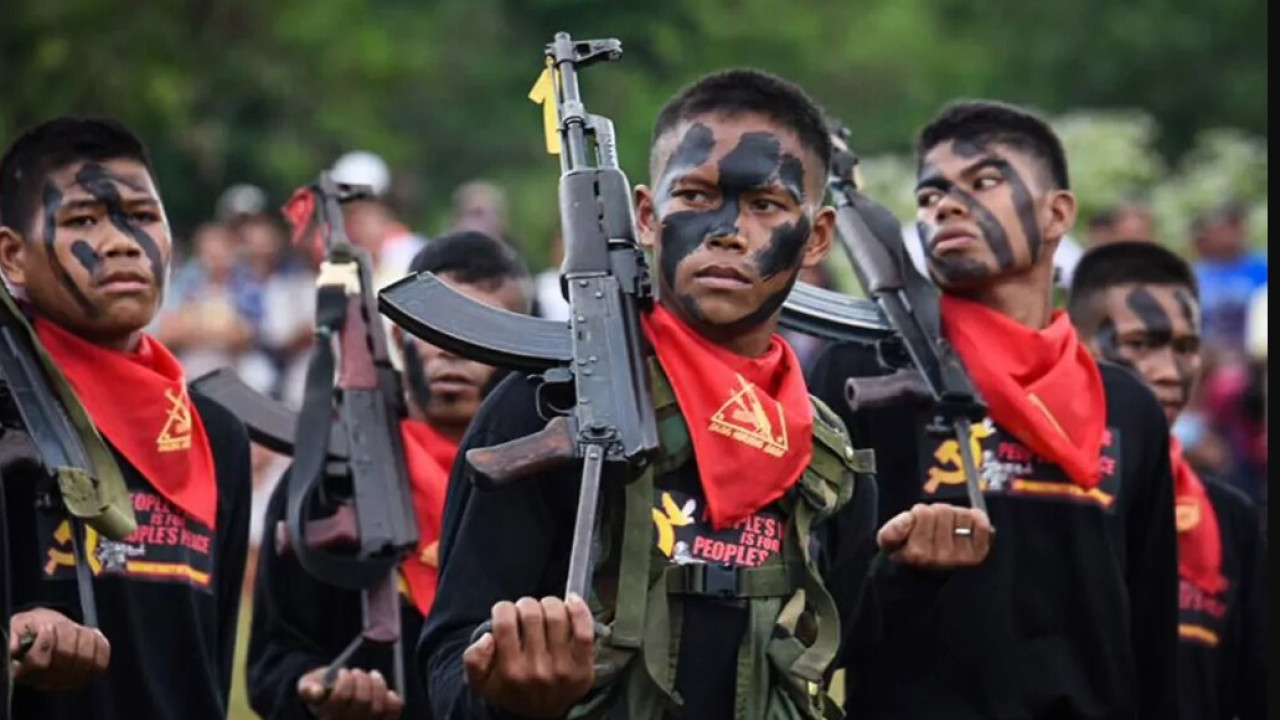
The Philippines believes it is winning its decades-long war against the New People’s Army (NPA). On paper, the numbers seem to support this. Rebel strength has declined, government operations have intensified, and officials increasingly speak of the insurgency as a fading threat.
Yet recent fighting in Negros Occidental tells a more complicated story. A wave of clashes in April and May 2026 demonstrated that while the communist movement has been weakened, it has not been defeated. The NPA continues to retain pockets of influence in traditional recruitment areas and remains capable of challenging government forces.
The resurgence comes at an uncomfortable moment for Manila. Economic pressures, political disputes, and climate-related crises are placing growing demands on the state. For an insurgency built on exploiting governance gaps and local grievances, those pressures may present opportunities.
Manila Says the NPA Is Crumbling
On April 19, troops from the 79th Infantry Battalion killed 19 alleged NPA rebels in Toboso, Negros Occidental. The military said it was the deadliest single clash with the communist insurgents since the 1990s.
Among those killed was Roger Fabillar, a guerrilla commander with a two-million-peso bounty. Authorities linked him to the summary execution of at least 36 people accused of leaking information to the Philippine military.
Three weeks later, on May 16, five more alleged rebels were killed in Cauayan. The army described them as remnants of the NPA’s South West Front, weakened by shrinking manpower and fading community support.
These battlefield successes alone do not tell the full story. While the NPA has suffered significant military setbacks in recent years, the deeper political, economic, and governance conditions that fueled the insurgency in the first place have not been addressed.
Climate Is Giving Rebels New Ground
The NPA is much smaller than before, with only about 750 to 1,200 active guerrillas. But battlefield decline does not erase the conditions that allowed the insurgency to survive for decades.
In Negros, those conditions are still visible. The island’s sugarcane belt has long been a recruiting ground for communist rebels because of deep land inequality, rural poverty, and anger over failed land reform. It is also exposed to typhoons, agricultural shocks, and worsening climate stress.
That mix of conditions is dangerous. Up to 45% of conflict incidents involving Maoist guerrillas in 2026 took place in disaster-prone provinces. A weakened insurgency can still survive if angry communities feel abandoned after floods, storms, and crop losses.
The rebels know this. Their messaging has increasingly attacked the government over disasters, environmental damage, corruption in flood-control projects, and the influence of foreign and local business interests. Their claim is that when the state fails, the insurgency is the only force defending poor rural communities.
The Cauayan clash also showed the rebellion is not only hiding in remote villages. One of those killed, Vince Francis Dingding, was a 30-year-old University of the Philippines-Cebu alumnus and a guerrilla front secretary, a sign that even a declining movement can still attract educated young recruits when grievance, inequality, and anger remain alive.
Bangsamoro Peace Faces the Same Pressure
The same scenario risks playing out in Mindanao, where the Bangsamoro peace process remains fragile after decades of Moro insurgency. In the Bangsamoro Autonomous Region, almost 60% of the workforce depends on farming, fishing, and forestry. That leaves families exposed when droughts, floods, and shifting weather patterns hit land and water supplies.
Climate pressure has already worsened land and water disputes. In 2019, a drought-linked conflict between two families in Datu Odin Sinsuat escalated into violence that killed several people and displaced hundreds.
Ligawasan marsh, a vital wetland and the site of a major Moro Islamic Liberation Front encampment, is especially vulnerable. Some areas are drying, others are flooding, and disputes over land use are growing. At least 70 conflict-related incidents were recorded around the marsh between 2019 and 2025.
The Risks Ahead
The Philippine military may be winning battles against the NPA, but military success and long-term stability are not the same thing. Insurgencies rarely survive because they are militarily strong. They survive because they continue to find communities with grievances they can exploit.
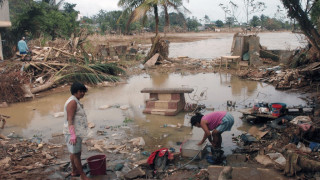
Climate change could make those grievances harder to contain. Typhoons, droughts, crop failures, and displacement place additional pressure on communities already struggling with poverty, inequality, and weak local governance. In areas where frustration with the state persists, environmental shocks can create opportunities for recruitment and unrest.
The NPA may never return to its former strength, but it does not need to. A smaller insurgency can remain a persistent security challenge if the conditions that sustain it endure. For Manila, the long-term challenge is not only defeating rebels in the field, but preventing climate stress and governance failures from producing the next generation of recruits.

Loading comments...