




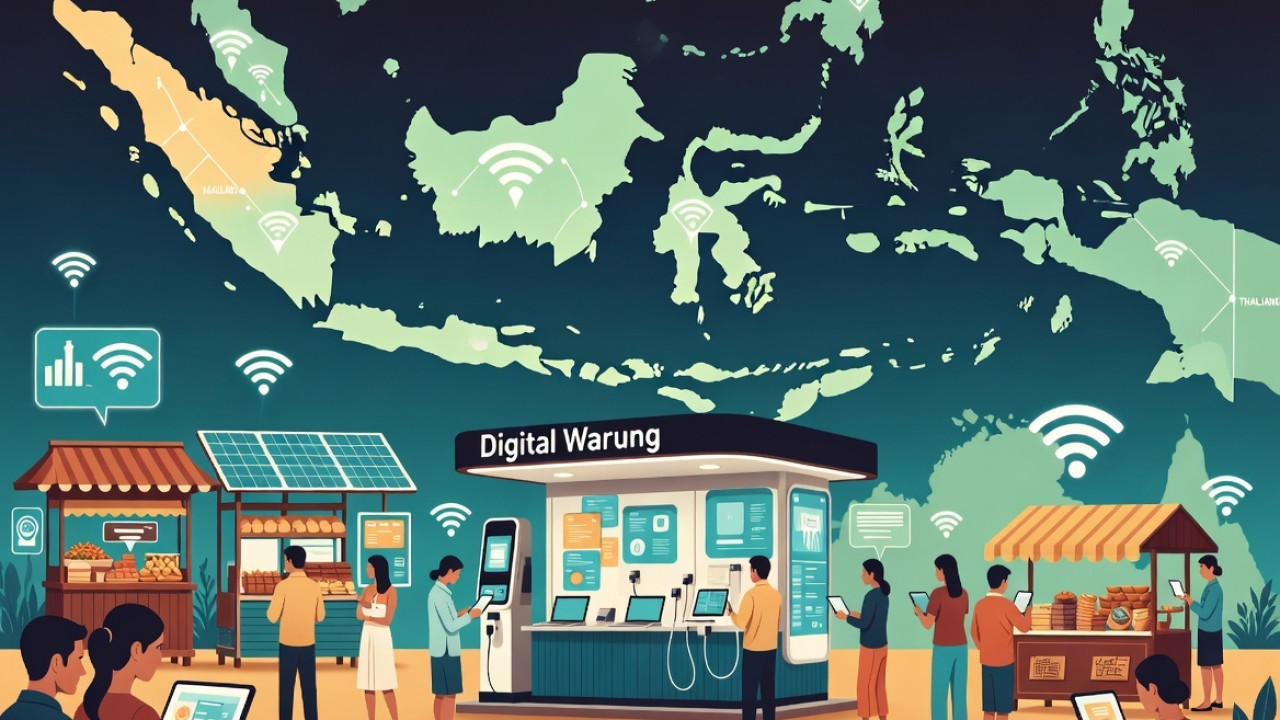
Southeast Asia has taken a major step toward becoming one of the world's biggest digital economies. ASEAN member states have completed negotiations on the ASEAN Digital Economy Framework Agreement (DEFA), a landmark deal designed to make digital trade easier across the region.
The agreement was finalized during senior economic meetings in Manila in late May and is expected to be signed at the ASEAN Summit in November 2026. Supporters say it will help businesses grow faster, create new jobs, and strengthen Southeast Asia's position in the global digital economy.
But while governments celebrate the breakthrough, some digital rights groups are calling for greater public involvement in shaping the region's digital future.
What DEFA Means for Businesses and Consumers
DEFA aims to create common digital rules across ASEAN. It covers areas such as digital payments, e-commerce, data flows, cybersecurity, online consumer protection, and digital identities.
The agreement would allow ASEAN countries to align rules on electronic transactions, digital payments, and data transfers, reducing the need for businesses to navigate different regulations in each market. It also includes newer areas such as artificial intelligence, financial technology, and source code protection as governments prepare for future digital growth.
For businesses, especially small and medium-sized enterprises, this could remove many barriers that make cross-border trade difficult. A company in Thailand could find it easier to sell products online to customers in Malaysia, Indonesia, or the Philippines using shared digital standards.
ASEAN officials believe the agreement could increase regional digital trade by as much as 30% by 2030. Some studies also suggest the region's digital economy could double in value to $2 trillion by the end of the decade.
As more people shop, work, and play online, digital rules are becoming as important as traditional trade agreements. The goal is to create a more connected regional marketplace where businesses can operate more smoothly across borders.
Why Digital Rights Groups Want More Say
While governments highlight the economic opportunities of DEFA, digital rights advocates are focusing on another question: who will shape the rules governing Southeast Asia's digital future?
More than six hundred activists, researchers, and policy experts gathered in Manila early June 2026 at the Digital Rights Asia-Pacific Assembly, where participants called for greater transparency around regional digital policymaking. Their concern goes beyond consultation. The rules being negotiated today could influence how personal data moves across borders, how online platforms operate, and how consumers are protected in an increasingly digital economy.
As digital services become part of everyday life, decisions about data governance, cybersecurity, and digital identities are no longer technical issues discussed only by policymakers. Instead, the are increasingly moral, ethical, and human rights issues.
This tension highlights a broader challenge facing ASEAN. Economic integration can create new opportunities, but long-term success will depend on public trust in the systems being built. For many advocates, stronger public participation could help ensure that digital growth and digital accountability advance together rather than compete with one another.
ASEAN's Digital Ambitions Reach a New Stage
The DEFA breakthrough shows that ASEAN countries are increasingly working together to shape their own economic future. Rather than relying solely on outside models, regional governments are building a framework designed around Southeast Asia's rapidly growing digital market.
The challenge now moves from negotiation to implementation. Turning shared rules into real-world benefits will require cooperation, investment, and public confidence.
If successful, DEFA could become one of ASEAN's most important economic projects, helping transform Southeast Asia into a leading global digital economy and creating new opportunities for businesses and workers across the region.



Loading comments...