




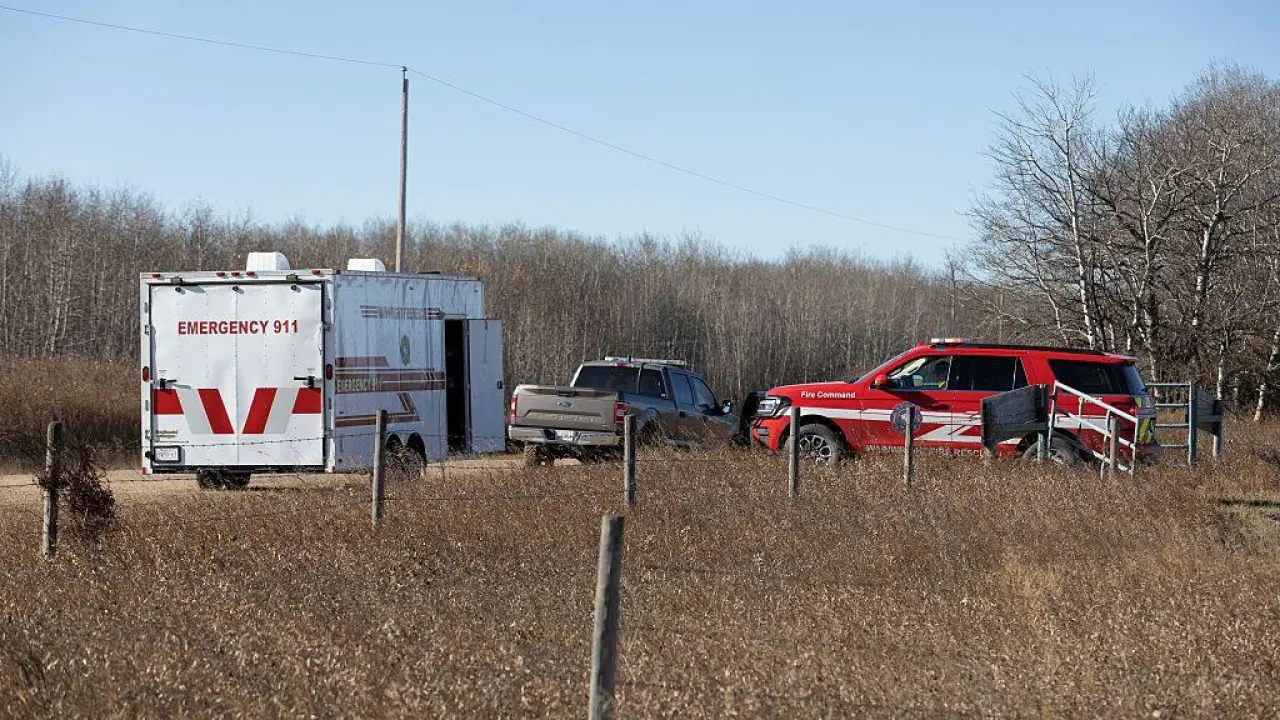
On October 17, four Canadian soldiers were killed and 39 others injured when a fire swept through a military training area at Canadian Forces Base Wainwright in Alberta. On November 15, one of the injured soldiers succumbed to his injuries, bringing the death toll to five.
Commanders had known about the fire for several hours but believed it was contained and allowed training activities to continue. The tragedy occurred during Apollo Shooter, a live-fire military exercise. The incident has put the Army's safety decisions under investigation after internal regulations emerged warning of the dangers of conducting live-fire exercises during wildfire season.
A Fire That Appeared Under Control
Military police confirmed that the fire started at an automatic grenade launcher training range. The flames burned for hours inside a restricted area where the risk of unexploded ammunition prevented firefighters from entering.
Military officials chose to monitor the fire while some training activities continued. However, around 4 p.m., a sudden shift in wind direction and speed changed everything.
According to Prime Minister Mark Carney, the flames traveled nearly one kilometer in less than a minute, reaching the soldiers before they could escape.
Weather authorities had issued warnings about strong winds. Satellite imagery also detected possible hotspots at the base about four hours before the tragedy, although it remains unclear whether they were part of the same fire.
Army Safety Warnings Come Under Scrutiny
A 139-page military document identifies August, September, and October as high-risk months for wildfires at Wainwright.
The regulations recommend conducting live-fire exercises early in the morning, when conditions are generally less dangerous. They also require personnel to monitor fires, assess weather conditions, and modify or suspend activities when soldiers are at risk.
However, the recommended schedule is not an absolute prohibition. Major General Wade Rutland explained that commanders must assess conditions before authorizing each exercise.
Another issue under scrutiny is how the fire risk was assessed. An internal military memo rated the risk as low, while provincial and national monitoring systems showed extreme fire danger across large parts of southern Alberta.
Military Police are investigating possible violations, while the Army is preparing an independent board of inquiry to establish what happened and how to prevent similar tragedies.
The soldiers were preparing for future international operations, including a deployment to Latvia, where Canada leads a multinational NATO brigade. The mission is part of NATO's broader military buildup along its eastern flank, where Germany is also deploying a permanent armored brigade in neighboring Lithuania.
Carney described the fire as one of the worst peacetime tragedies suffered by Canada's Armed Forces on Canadian soil.

Loading comments...