
• English
  • Tagalog
  • Malay
  • Indonesian
  • Thai
Resource Politics

Did Aid Cuts Weaken Ebola Response Systems in Africa?

Published on Jun 04, 2026

In parts of Central and East Africa, a growing Ebola outbreak in the Democratic Republic of the Congo and Uganda has raised questions about whether global aid cuts have weakened early warning systems. Health workers and international experts warn that fragile health services, already strained by conflict and debt, are struggling to keep up with fast-moving infections.


At the same time, maternal and child health programs face pressure, raising concerns that over the long-term, health crises could continue to deepen.


Ebola Outbreak Spreads Across DRC and Uganda  

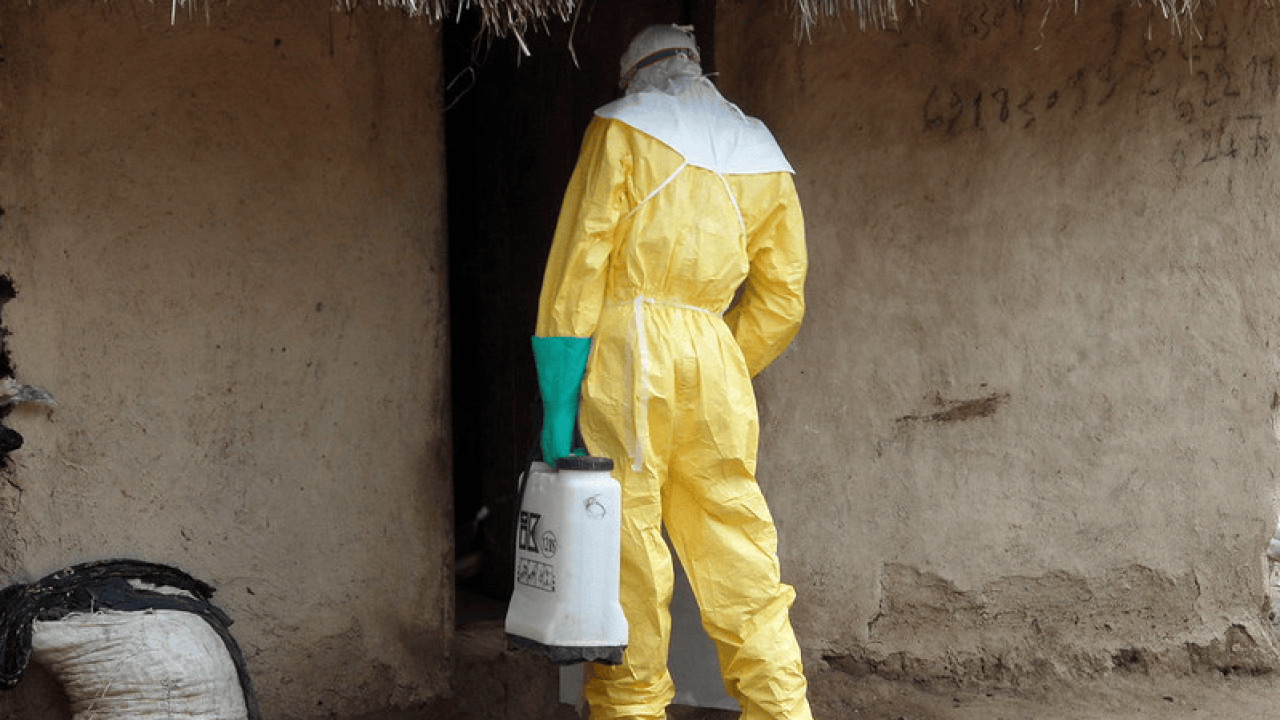
Ebola cases have been reported across parts of the Democratic Republic of the Congo and Uganda, with health authorities racing to contain transmission in affected areas.  The outbreak involves the rare Bundibugyo strain, which has no vaccine, making rapid detection and isolation critical.


Early warning systems struggled to identify cases, partly because testing capacity and logistics were limited in hard-to-reach regions. In areas with ongoing insecurity, health teams face delays in reaching patients and transporting samples.


These gaps have allowed the virus to spread before containment measures could take effect, increasing pressure on fragile hospitals and community clinics serving vulnerable populations.


Are Aid Cuts Weakening Disease Surveillance Systems?  

Health experts are debating whether recent cuts to international aid have weakened disease surveillance systems in affected regions.


Programs once supported by agencies such as USAID, the US government agency in charge of humanitarian responses, helped train local health workers, transport laboratory samples, and maintain early warning networks. The agency was shut by the Trump administration, which reduced funding for vulnerable health systems in poorer countries. As a result, such systems have become less reliable, especially in rural areas.


Field reports suggest local clinics are under immense strain. The concern is not only Ebola response, but also how reduced surveillance capacity could delay detection of future outbreaks, leaving health systems reacting instead of preventing spread.


Aid Cuts Push Maternal and Child Healthcare Toward Crisis

Another area that is hit by aid cuts are maternal and child healthcare systems. Clinics that once relied on international funding for medicines, vaccinations, prenatal care, and emergency childbirth support are now struggling to stay open. In countries such as the Democratic Republic of the Congo and Afghanistan, health workers warn that reduced funding has already forced some facilities to cut services or close entirely.


For women and infants, the consequences can become deadly very quickly.


In remote areas, many pregnant women already travel long distances to reach hospitals. When aid-funded clinics shut down or lose staff, delays in treatment increase the risk of complications during pregnancy and childbirth. Vaccination programs for newborns and young children are also facing disruption as healthcare systems shift limited resources toward emergency outbreak response.


Health experts say these problems are connected to wider cuts in global development assistance.


In 2025, international aid spending saw one of the sharpest declines in decades, while conflict and debt pressures pushed many governments to reduce health spending at home. In some regions, maternal care and emergency health services reportedly lost up to 70% of their support.


What the Global Health Crisis Means Going Forward  

Public health analysts say the Ebola outbreak highlights a broader global challenge. When aid declines, conflict rises, and debt pressures grow, health systems lose capacity to respond quickly to emerging threats.


While for now Ebola remains concentrated in specific regions, its spread shows how interconnected global health security has become.


Experts argue that rebuilding surveillance, restoring funding stability, and strengthening local health networks are essential to prevent future crises.

Share Now:

Related Reports

Comments

0 comments

Loading comments...

Submit a comment

Your email will not be published.

Make sense of breaking news
and trends

in 5 minutes or less.


• Quick summaries of world crises

• Focus on SE Asia + global spillover

• Clear, simple analysis direct to you

This site is protected by reCAPTCHA and the Google Privacy Policy and Terms of Service apply.