




Global Watch
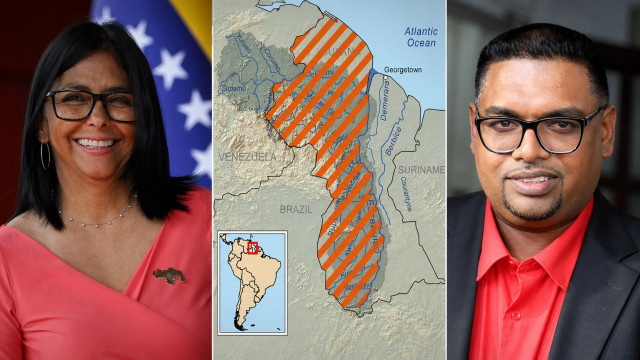
How a Piece of Jewelry Reignited a Caribbean Border Dispute
A small gold pin has pulled Venezuela and Guyana’s border dispute back into the center of Caribbean diplomacy. Venezuelan leader Delcy Rodríguez has been wearing a brooch shaped like the country’s official map, including the Essequibo—the resource-rich region controlled by Guyana but claimed by Caracas. As she tours Caribbean capitals to rebuild Venezuela’s diplomatic ties, the symbol has been interpreted a...
Read More →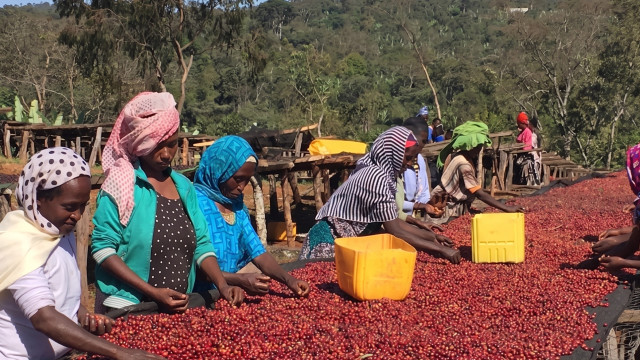
Caffeine Commodity: How the Global Coffee Trade Is Being Redrawn
Coffee is no longer just a morning habit. It is becoming a signal of how climate pressure, Asian demand, and European regulation are reshaping global trade. For decades, the market was easy to read. Brazil’s weather shaped supply, while Europe and North America shaped demand. Traders watched harvests, prices moved, and consumers rarely thought about the politics behind the cup. Today, that old model is breaking. Coffee is ...
Read More →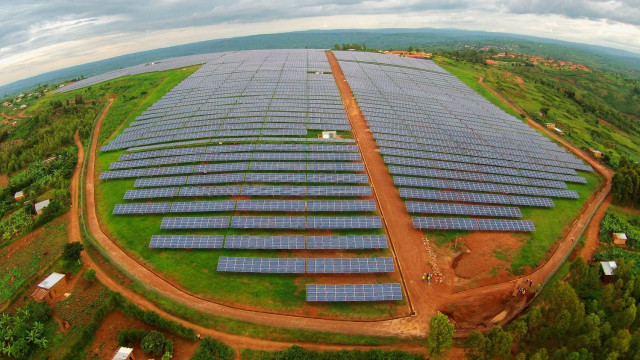
Why Africa’s Oil Economies Are Moving Toward Renewable Energy
Africa’s biggest oil-producing nations are entering a risky new era. Countries like Angola and Nigeria are pouring money into renewable energy while still depending heavily on oil exports. The shift comes as global pressure grows for cleaner energy and lower carbon emissions, as well as dependency issues that have been exposed by the US-Israel-Iran war. For decades, fossil fuels powered economic growth across Africa’s oil-ric...
Read More →
Brazil’s Big Bet: The Giant Now Too Important to Ignore
From soybeans and oil to rare earths, clean electricity, the Amazon, and global diplomacy, Brazil now sits on several of the world’s most explosive fault lines. Food prices, climate targets, green technology supply chains, and the balance of power between the US, China and Europe all increasingly pass through Brazil. That gives Brazil serious leverage. It also traps the country in a brutal contradiction. Brazil wants to be seen as ...
Read More →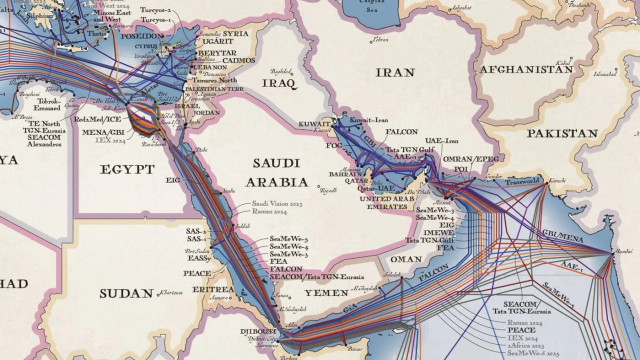
Internet Cables, Not Oil, May Trigger the Next Middle East Crisis
The next shock from the Middle East may not come through oil tankers. It could come through the thin submarine cables carrying internet traffic between Europe, Africa, and Asia. Even after the recent de-escalation between the United States and Iran, the region’s undersea telecoms network remains a major security concern. The danger is not just slower internet. A serious disruption in the Red Sea could expose how much of the global ...
Read More →