




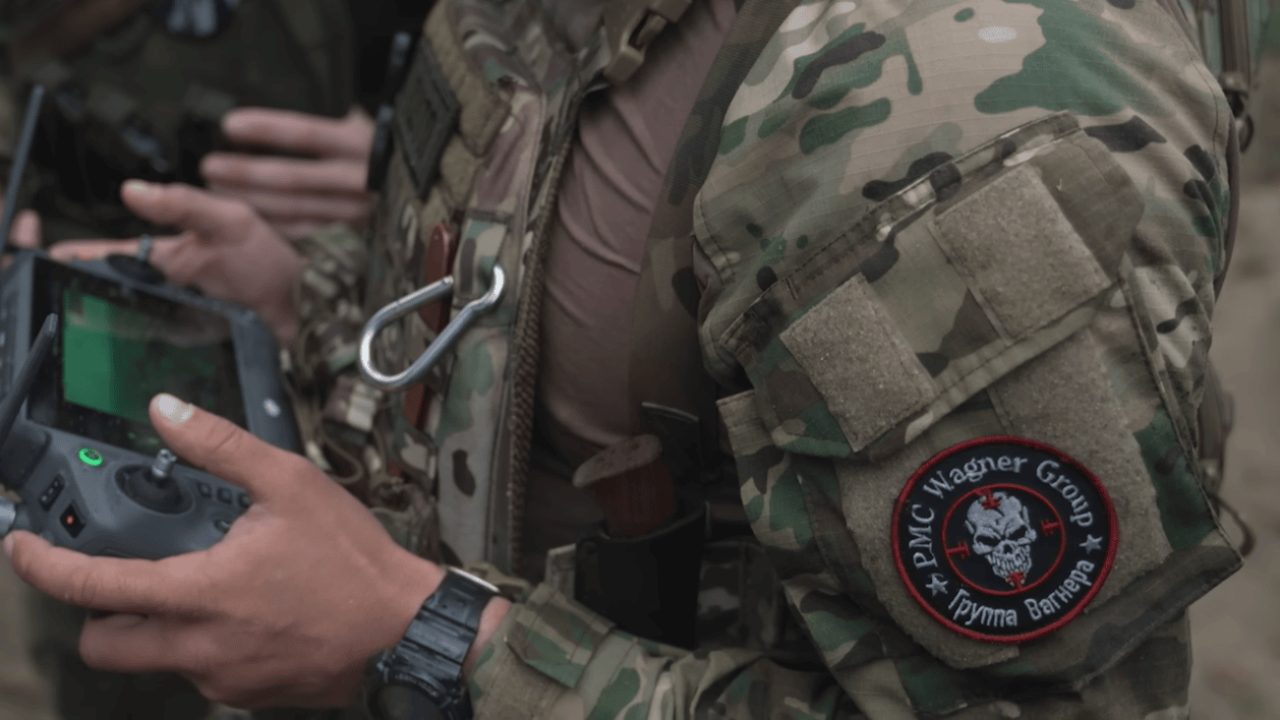
A dramatic court case in Angola is putting Russia's activities in Africa under a spotlight. Two Russian nationals, political consultant Igor Ratchin and translator Lev Lakshtanov, went on trial in March 2026 after being arrested months earlier. Angolan prosecutors accuse them of helping organize anti-government protests, spreading disinformation, and attempting to influence the country's next presidential election.
The pair face 11 charges, including terrorism, espionage, and influence peddling. Authorities claim they were connected to Africa Politology, a network reportedly linked to the Wagner Group.
The trial is about more than two individuals. It highlights a growing battle for influence across Africa as countries increasingly seek stability, investment, and stronger international partnerships.
Russian Influence Under the Microscope
The allegations have captured attention because they suggest a coordinated effort to shape Angola's political environment ahead of key elections in August 2027.
According to prosecutors, the operation involved attempts to fuel public unrest and weaken confidence in state institutions. If proven in court, the case could become one of the most significant legal challenges ever brought against individuals allegedly connected to Russian influence networks in Africa.
For Angola, the plot comes at a time when it is working to strengthen its reputation as an investment destination while expanding its oil and agricultural sectors. Political stability has become a valuable asset as Luanda seeks new economic opportunities and stronger international ties.
From Soviet-Era Alliances to a Modern Russian Return
Russia's involvement in Africa stretches back to the Cold War. Following the 1955 Bandung Conference in Indonesia, the Soviet Union saw an opportunity to build relationships with newly independent nations across Africa and Asia.
Angola became one of Moscow's closest partners after the People's Movement for the Liberation of Angola established the People's Republic of Angola in 1975. Similar Soviet-backed governments emerged in Mozambique, Ethiopia, and the People's Republic of the Congo.
These partnerships helped spread Soviet influence across the continent. That influence faded after the collapse of the Soviet Union in 1991, but it returned under President Vladimir Putin as Moscow sought new diplomatic, economic, and security relationships in Africa.
Wagner Networks Expanded Russia's Reach
Russia's current strategy in Africa often relies on intermediaries rather than direct state involvement. The Wagner Group, a Russian state-funded private military company, is the most famous example of this. Founded by Yevgeny Prigozhin, Wagner expanded rapidly across Africa after first operating in Sudan in 2017.
The organization later appeared in the Central African Republic, Madagascar, Libya, Mozambique, and Mali. In Libya, Wagner supported General Khalifa Haftar during the country's civil conflict, helping strengthen Moscow's position in a nation rich in energy resources.
Analysts argue that these intermediary networks provide Russia with flexibility and plausible deniability. Alongside security support, critics say they often use political consulting, information campaigns, and local partnerships to expand influence while avoiding direct state intervention.
Angola's Message to Russia and the World
Ultimately, the Angola trial is likely to have consequences far beyond the courtroom. First, it may establish an important legal precedent for future investigations into foreign influence operations. International organizations such as the International Criminal Court (ICC) could closely examine the outcome as governments seek new tools to address similar cases.
Second, the trial signals that Angola is moving beyond old Cold War relationships. After decades shaped by African socialism and Soviet support, the country is increasingly focused on economic growth, foreign investment, and stability. This transition is particularly significant as major development projects advance, increasing the importance of political stability and investor confidence. The case therefore carries implications for both Angola's domestic politics and its attractiveness to international economic partners.
Third, the case suggests Russian influence operations may extend well beyond the Sahel. It raises fresh questions about whether similar networks are operating elsewhere in Southern Africa.
Finally, the developments may encourage deeper cooperation between Angola and China. As large-scale infrastructure and energy projects continue across Africa, stability remains essential for long-term growth and regional development.
For now, the Angola trial is one of Africa's most closely watched judicial stories. The case highlights the continent's growing importance in global competition for influence, energy, and resources. As Angola pursues economic modernization and stronger international partnerships, the verdict could set a precedent for how African nations respond to foreign political interference for years to come.
Loading comments...