




Peru's presidential election has become more than a domestic political contest. It may also reshape the balance of influence between the United States and China in South America.
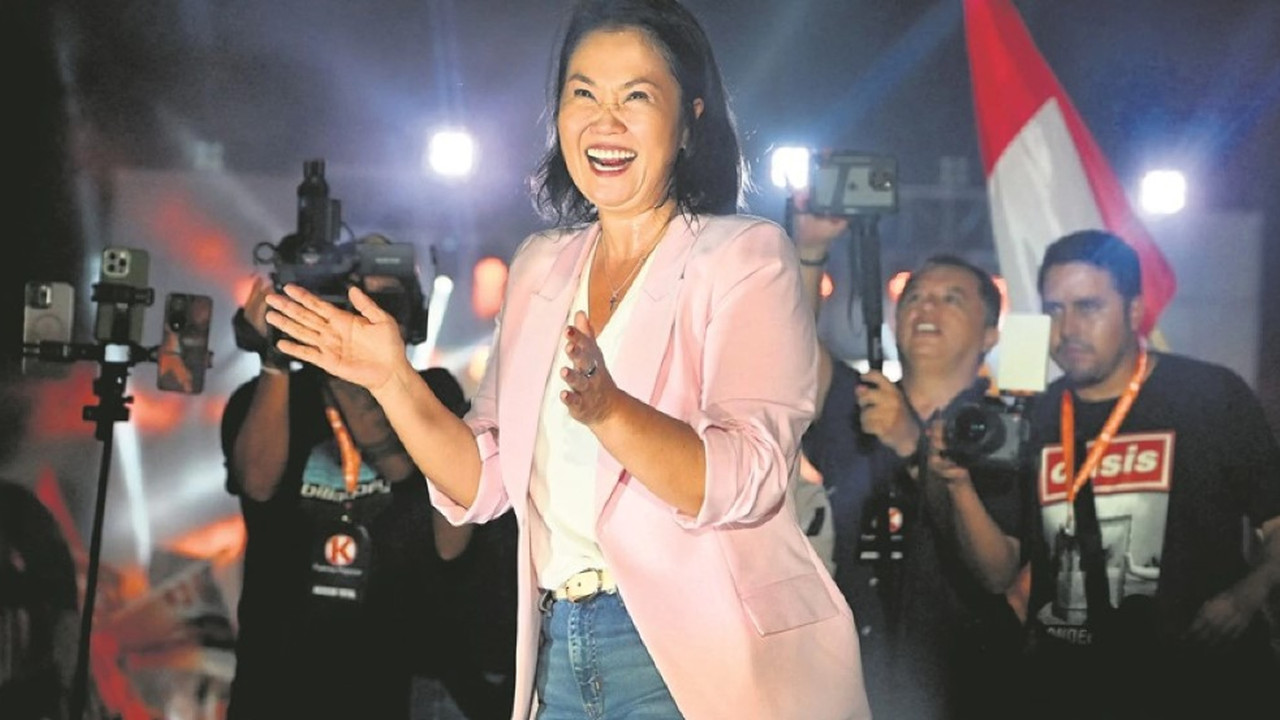
Keiko Fujimori, a right-wing leader expected to strengthen ties with Washington, has been elected as Peru's first female president after one of the closest elections in the country's recent history. Her victory comes at a time when China has already invested tens of billions of dollars in Peru's mining, infrastructure, and energy sectors, making the country one of Beijing's most important strategic partners in Latin America.
Fujimori now faces a difficult balancing act: deepening relations with the United States without undermining an economy that has become increasingly tied to China.
A Divided Country Awaits a New President
Fujimori won by roughly 50,000 votes after weeks of political uncertainty. Protests, fraud allegations, and reviews of contested ballots delayed the official declaration of the result for nearly three weeks.
Her victory ends four unsuccessful presidential campaigns dating back to 2011. For years, her greatest obstacle was not her policies but her surname. Her father, Alberto Fujimori, governed Peru between 1990 and 2000 before being convicted of corruption and serious human rights abuses. Although he died in 2024, his legacy continues to divide Peruvian society.
Fujimori inherits a country that has cycled through eight presidents in just ten years. Congress remains deeply fragmented, corruption scandals have weakened public confidence, and much of the population feels disconnected from Peru's political institutions.
The country's economic challenges are equally significant. More than 70% of Peru's workforce is employed in the informal economy, while the formal sector remains heavily dependent on exports of copper, gold, and other minerals.
Many Peruvians voted less out of enthusiasm for Fujimori than out of opposition to the alternative. That gives her a mandate to govern, but not broad public trust.
China Already Holds Powerful Economic Leverage
While Fujimori is expected to pursue closer cooperation with Washington, Peru's economy is already deeply integrated with China. Chinese investment in Peru is estimated at roughly $30 billion, spanning mining, energy, logistics, and infrastructure.
The most visible example is the Chancay mega-port, which was developed with Chinese financing. The port is designed to become one of South America's largest Pacific ports, dramatically reducing shipping times between Latin America and Asia. For Beijing, the project is far more than a commercial investment. It provides China with a long-term strategic gateway to the Pacific coast and strengthens its economic presence throughout South America.
China has also become Peru's largest export market, purchasing significant volumes of copper, iron ore, zinc, and other critical minerals that remain essential to Chinese industry.
These investments have created deep economic ties that would be difficult for any Peruvian government to unwind.
Peru Becomes a New Front in US-China Competition
The United States has increasingly viewed China's growing presence across Latin America as a strategic challenge.
Washington has already supported modernization and relocation projects for Peru's naval infrastructure near Callao while expanding broader security cooperation with Lima. Fujimori's election is therefore likely to be welcomed in Washington. Yet any effort to reduce Peru's dependence on China faces clear economic limits.
China finances infrastructure, purchases Peru's most valuable exports, and remains central to the country's long-term economic growth. The United States, meanwhile, offers greater security cooperation and political alignment.
Rather than choosing between them, Fujimori is likely to spend her presidency trying to balance both.
That challenge reflects a broader reality across Latin America. Increasingly, governments are discovering that security partnerships may point toward Washington, while economic opportunity often points toward Beijing.

Loading comments...