




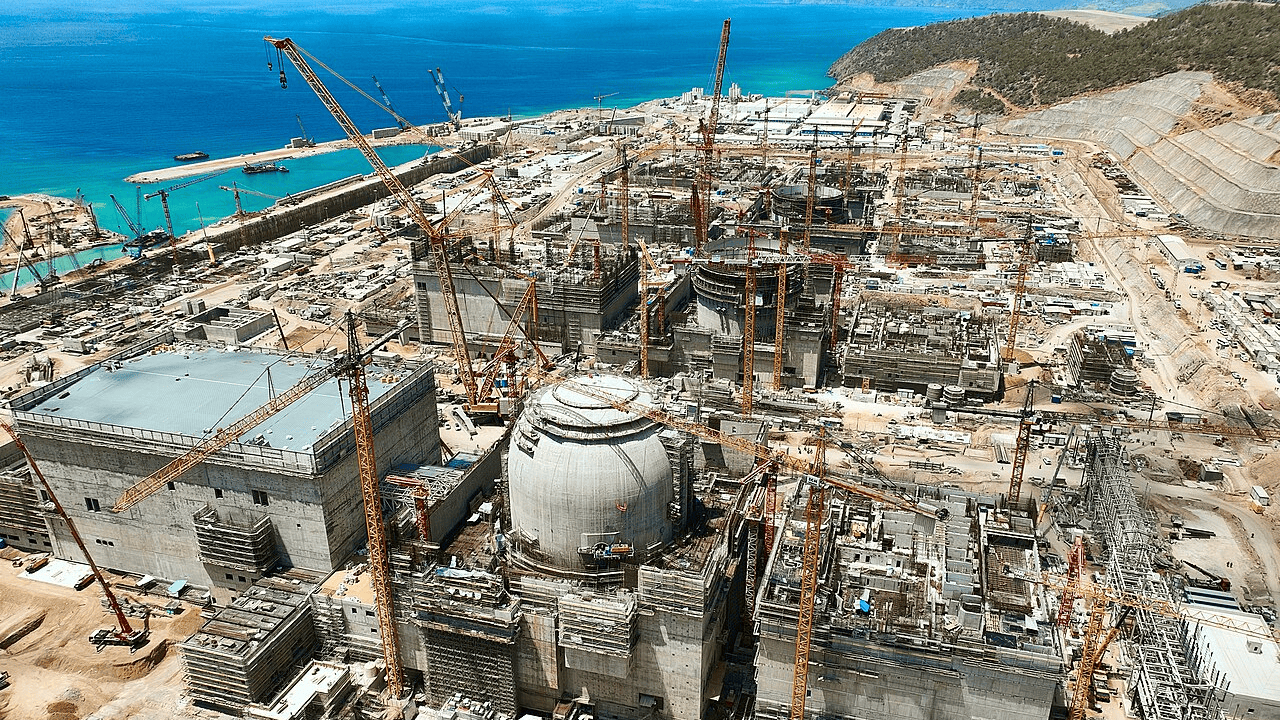
Central Asia needs more electricity. Rapid population growth, industrial development, and the expansion of energy-hungry industries are pushing Kazakhstan and Uzbekistan to invest in nuclear power for the first time in decades.
But nuclear reactors are not only about energy security. They are also tools of diplomacy. Russia, China, France, and South Korea all want a role in the region's nuclear future, giving Central Asian governments new opportunities to balance competing powers while pursuing their own energy and economic ambitions.
Nuclear Energy Is Becoming an Economic Necessity
Much of Central Asia still depends on aging Soviet-era infrastructure that struggles to meet modern electricity demand. Seasonal shortages are becoming more common just as governments are trying to attract industries that need reliable, around-the-clock power.
Nuclear energy is emerging as a long-term answer. Unlike wind and solar power, nuclear plants can provide a constant supply of electricity, making them attractive for manufacturing, mineral processing, data centers, and other energy-intensive industries.
Uzbekistan has already begun building its first nuclear power plant, while Kazakhstan plans to construct at least three plants by 2050. For both countries, reliable electricity is no longer simply an economic objective. It is becoming a prerequisite for future competitiveness.
Nuclear Partnerships Extend Beyond Power Generation
Building a nuclear power plant is only the beginning. Countries also rely on foreign partners for financing, nuclear fuel, maintenance, technical expertise, workforce training, and decades of operational support.
Russia remains the leading nuclear partner for much of Central Asia. It is building Kazakhstan's first commercial nuclear power plant as well as Uzbekistan's first nuclear facility, reinforcing Moscow's long-standing influence in the region's energy sector.
China, however, is rapidly expanding its own role. Kazakhstan has selected Chinese companies to help build its second and third planned nuclear power plants, while Beijing is also deepening cooperation on uranium exploration and broader energy development.
Rather than choosing one partner over another, Central Asian governments are spreading projects across multiple countries. Kazakhstan's decision to divide major nuclear developments between Russia and China reflects an attempt to avoid dependence on any single supplier while strengthening its own bargaining power.
Central Asia Is Gaining Strategic Influence
Central Asia's return to nuclear power reflects more than a search for reliable electricity. It also marks a shift in how the region is positioning itself in an increasingly multipolar world. Rather than relying on a single external power, governments are building partnerships with multiple countries, allowing them to access different technologies, financing models, and sources of investment while preserving greater strategic autonomy.
Reliable electricity will also shape the region's economic future. As Central Asian states compete to develop critical minerals, expand manufacturing, and attract energy-intensive industries, nuclear power is becoming part of a broader strategy for economic competitiveness. The reactors being planned today are therefore not only investments in energy security. They are investments in Central Asia's future influence in both the regional and global economy.



Loading comments...