




For much of the Cold War, the Arctic sat on the front line between East and West. Military forces watched each other across frozen waters and cooperation was rare. Today, the region faces a challenges other than war. Climate change, melting ice, and environmental risks are reshaping one of the world's most fragile ecosystems.
The Arctic Council emerged from that changing reality. Established in 1996, it brought together Canada, Denmark, Finland, Iceland, Norway, Sweden, Russia, and the United States. Its goal was simple: work together on environmental protection and sustainable development in the Arctic, even when politics pull countries apart.
Why the Arctic Council Became a Global Model
The Arctic Council was built around science rather than geopolitics. It created expert working groups that collect data, monitor environmental change, and study issues such as biodiversity, ocean health, pollution, and climate impacts.
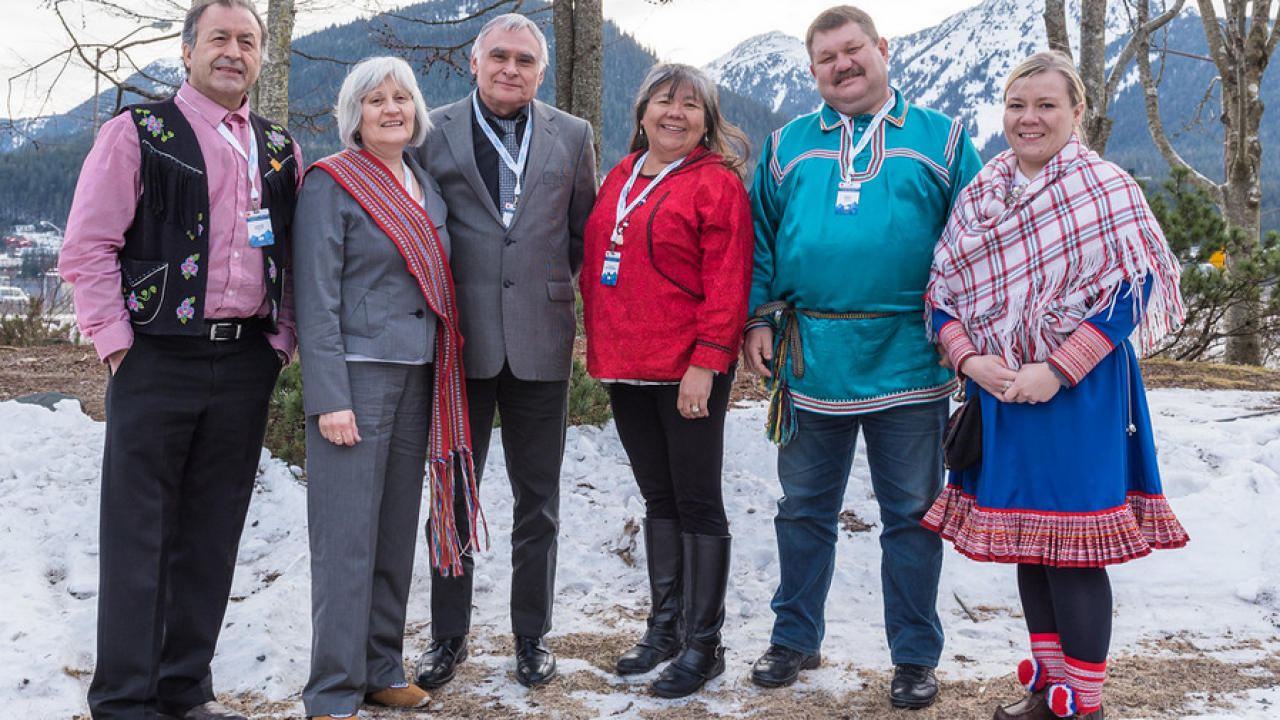
One of its most unusual features is the formal role given to indigenous groups. Organizations representing Inuit, Saami, and other Arctic communities sit alongside governments as permanent participants. Their local knowledge is treated as an important source of information alongside scientific research.
This approach helped create a rare space where countries with competing interests could still cooperate. Canada, the United States, and Russia have worked together on issues such as migratory species, ocean acidification, and Arctic climate monitoring because environmental problems do not stop at national borders.
When Environmental Cooperation Meets Geopolitics
The Arctic is warming about three times faster than the global average. Melting sea ice is opening new shipping routes and increasing interest in oil, gas, fishing, and mineral resources.
These opportunities have also created new tensions. Countries are debating territorial claims, maritime routes, and future economic development. The Council's environmental focus has helped manage some disagreements, but it has struggled to keep pace with growing strategic competition.
The biggest challenge came after Russia's invasion of Ukraine in 2022. The seven other Arctic states paused much of their participation in the Council because they did not want to continue normal cooperation while Russia was engaged in the war. Since Russia controls nearly half of the Arctic coastline and plays a central role in many scientific projects, the pause disrupted research, data sharing, and policy coordination across the region.
Although some activities later resumed, the crisis showed how quickly geopolitical conflict can disrupt even long-standing scientific cooperation.
Cooperation Beyond Politics
The Arctic Council faces an uncertain future, but its story remains remarkable. It transformed a former Cold War frontier into a forum for scientific cooperation. Researchers increasingly point to the Arctic Council as an example of how science can create common ground when politics becomes difficult. The Council's focus on shared data, expert networks, and practical problem-solving helped keep dialogue alive for decades.
The Council's story shows how environmental cooperation can survive in places where national interests often collide. In a world shaped by climate change and rising geopolitical competition, that may become one of the most valuable forms of diplomacy.
As environmental challenges grow across the globe, from Arctic ice loss to the forest fire smoke that regularly spreads across Southeast Asia, the need for trusted regional cooperation is more important than ever.

Loading comments...